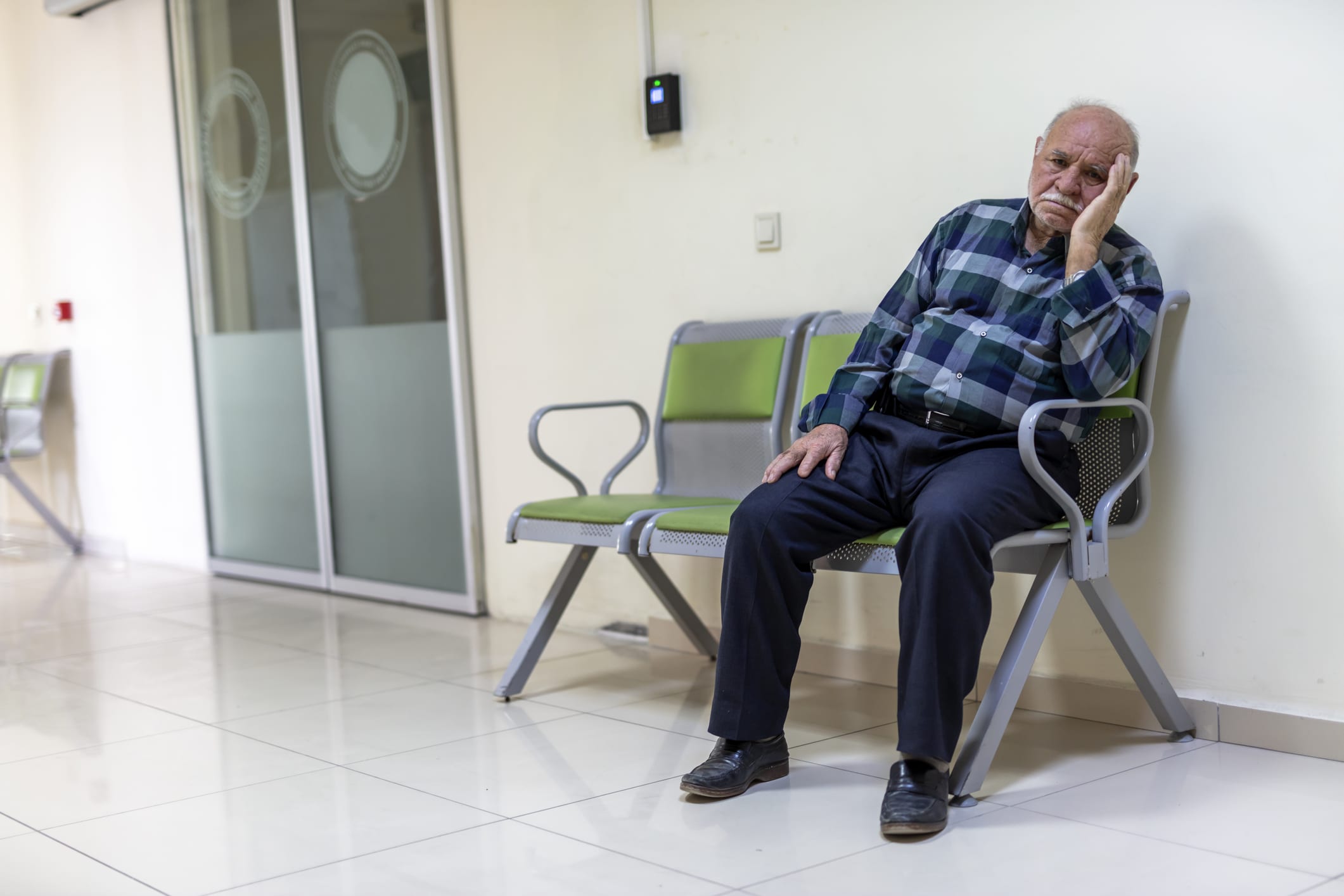
Dementia care was identified in the royal commission’s final report as a key area that needs urgent reform.
The care people living with dementia receive in residential aged care is, at times, “abysmal”, the commissioners revealed, an observation that will surprise no one who has followed the royal commission submissions and hearings over the last two-and-a-half years.
“We are deeply concerned that so many aged care providers do not seem to have the skills and capacity required to care adequately for people living with dementia,” the commissioners revealed in their final report.
With more than half of the people living in residential aged care having a diagnosis of dementia, and the real percentage likely to be far higher due to the prevalence of undetected dementia, the commissioners determined that “dementia care should be core business for aged care services”.
Lee-Fay Low, Associate Professor, Ageing and Health at the Faculty of Health Sciences, The University of Sydney, told HelloCare that she also has concerns about the quality of dementia care being delivered in Australia, both from what she has read in the media, but also from her own observations in the field.
“The [royal commission] hearings and media stories certainly describe care that has been ‘abysmal’,” Low said. “In our research, we regularly observe examples of poor dementia care.”
Low told HelloCare she “absolutely” agrees with the “overall intent” of the royal commissioner’s final recommendations to move towards a “needs-based, person-centric, better-funded system” with more staff, more allied health, and improved accreditation and governance.
However, the inability of the commissioners to reach an agreement on the best path forward for aged care was “disappointing”, Low admitted, because it means “there is no clarity on how to achieve an improved system.”
The royal commissioners recommended that by 1 July 2022 all aged care workers with direct care responsibilities should receive regular training in dementia and palliative care and that that training should be a condition of approved provider status.
Lee agrees with the recommendation that all aged care workers receive mandatory dementia training.
The final report also recommended that ‘dementia support pathways’ be created by 1 January 2023, with the aim of providing information and advice about dementia and support services, including help navigating the aged care system.
The support pathways would provide access to peer support, education, counselling, planning for independent living, help to access care, and respite for carers.
When someone receives a diagnosis of dementia, the proposal is that GPs and geriatricians refer the person and their family to the support pathway.
“People with dementia and carers have been telling us for years that the system is hard to navigate and doesn’t meet their needs, particularly right after diagnosis,” explained Low.
The support pathways would have to be highly visible and recognised so that “everyone knows about them”, said Low.
Just having them in a document or on a website would not be sufficient.
Support pathways would ensure that people living with dementia are being referred appropriately and receiving coordinated care planning involving all the people involved in their care, including carers, specialists, GPs, CHSP or home care package team, and allied health, Low said.
Support pathways “dovetail” with the royal commissioners’ recommendation to better integrate aged care with other government systems.
“The Australian government should coordinate the development of an integrated system… providing for… welfare support, community services directed at enhancing social participation, affordable and appropriate housing, high-quality health care, and aged care,” the report states.
Low says poor cooperation between aged care “silos” and the various professions presents a barrier to quality dementia care, and need to be reimagined.
The commissioners recommend a review of specialist dementia care units, and Low says more data on their effectiveness is welcome with little information available at present.
Aged care assessors should also receive specialist dementia training to ensure they have an understanding of ‘best practice’ dementia care. Armed with that knowledge, they will be better placed to provide feedback that actually improves care and more information on which to base decisions around substandard care.
Of course, the royal commissioners’ recommendations are only the first step on a long journey. It’s up to the government now to take the next step.
What are your thoughts on the royal commission’s final recommendations? We’d love to hear your thoughts.


