Key points:
Findings from a new survey have revealed that 1-in-3 Australians, or approximately 6.7 million people, are completely unaware of AF and what it causes.
A comprehensive nationwide survey sponsored by leading health promotion charity hearts4heart has revealed alarming gaps in AF awareness among older Australians, prompting urgent calls from clinicians, politicians, patients, and carers, for heightened education and awareness campaigns.
1-in-3 Australians are at risk of developing AF in their lifetime, increasing their risk of stroke, heart failure and dementia.
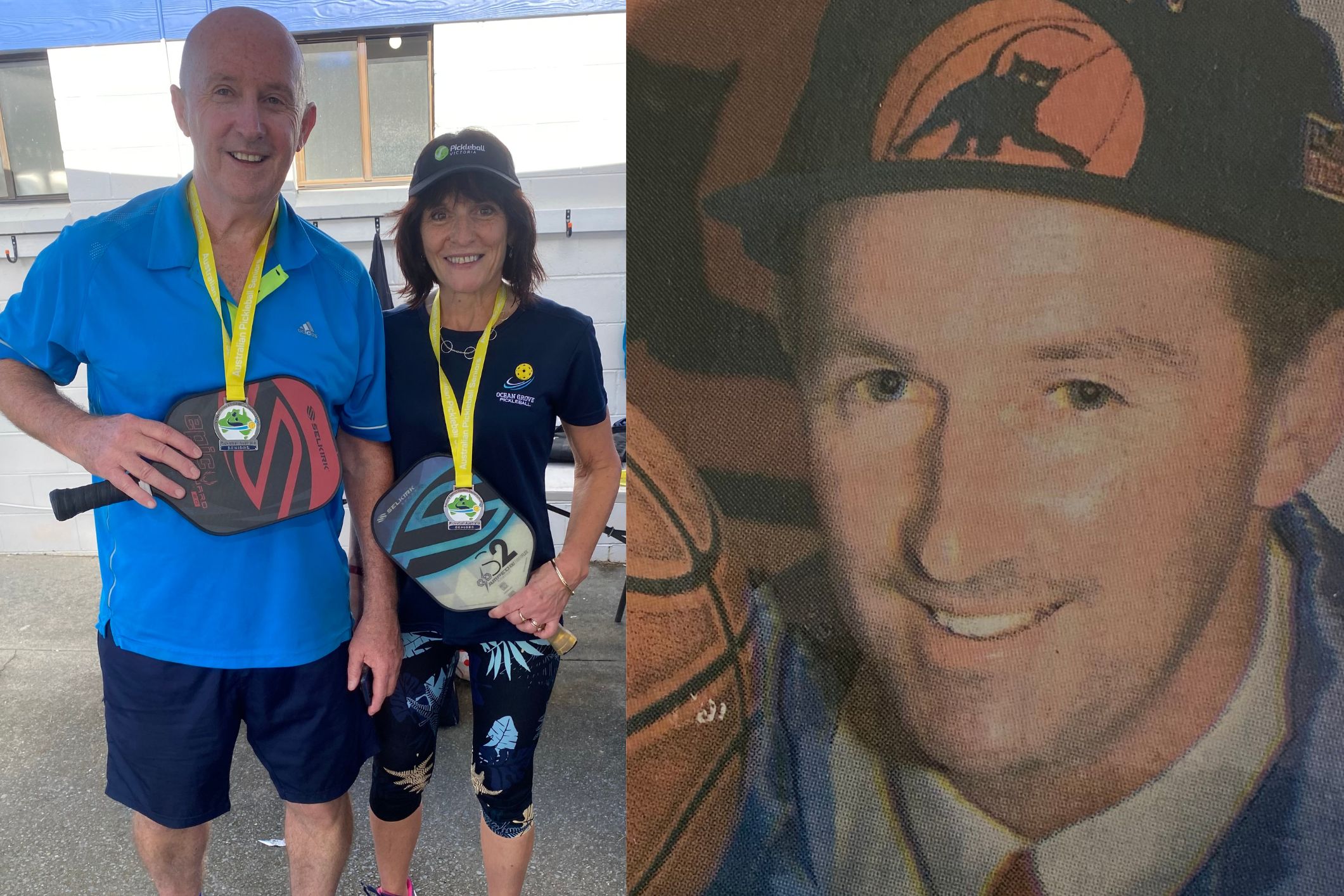
Terry Kealey, 65, from Victoria has been dealing with his AF diagnosis for the past two decades but it’s only recently that he has managed to take control of his condition.
Having led a physically active life and playing in the National Basketball League, Terry didn’t think he’d have issues with his heart.
In the early 2010s, Terry had multiple AF episodes and was hospitalised due to his heart where he was eventually diagnosed with AF. He was advised by his healthcare team that it was too late for them or him to do anything about it and he would have to live with it.
Terry had a wake-up call when he contracted COVID-19 which exacerbated his AF symptoms. After this episode, Terry met his current cardiologist and underwent ablation surgery earlier this year.
Today, Terry feels the best he’s felt in the last two decades, with a healthier and happier outlook on his condition and life. He’s even back to living an active life – playing Pickleball at least five times per week!
“I wish I had known about the signs and symptoms of AF, then maybe I could have addressed this sooner.”
“Knowledge gaps like these are concerning and highlight the urgent need for increased awareness and education about AF and its symptoms,” said Tanya Hall, Chief Executive Officer and Founder of hearts4heart, who also lives with the condition.
“Early detection and awareness play a pivotal role in managing AF effectively and improving the quality of life for those affected.”
By receiving an early diagnosis, accessing treatment and making changes to your lifestyle, a person with AF can reduce their risk of hospitalisation and stroke and improve their quality of life.
If you’re over 65, or experiencing any symptoms, it is important to speak with your General Pracitioner (GP) and get your heart checked.
Symptoms can include:
To access more resources and information about AF, visit the hearts4heart website here.


