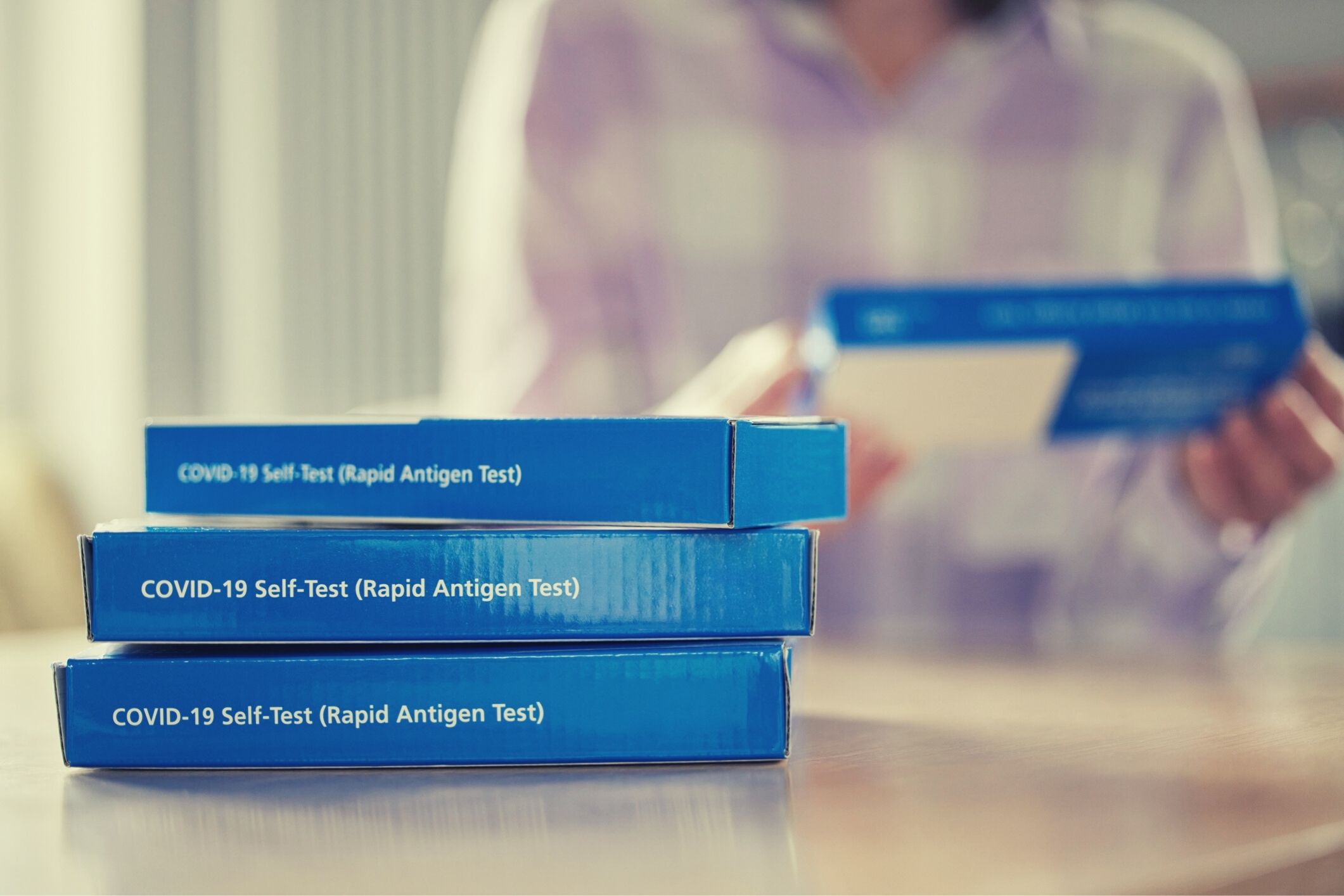
In August 2021, the federal government acknowledged the “need” to use rapid testing in aged care as a “screening and outbreak management tool” and committed to distributing RATs to residential aged care facilities.
However, priority is being given to homes where there has been exposure to COVID-19 or an outbreak, leaving many homes without access to the rapid-turnaround tests.
The preliminary results of an Australian Nursing and Midwifery Federation (ANMF) survey reveals the federal government has failed to deliver on its promise.
More than 770 health and aged care workers participated in the survey, with the preliminary findings showing that:
A snap poll of HelloCare’s Aged Care Worker Support Group on Facebook found that about 60% of responding members, who are all aged care workers, have had their tests supplied at work.
But in line with the ANMF survey, about one-fifth have been forced to purchase their own.
The remainder of respondents to the support group’s poll have either used PCR tests or have not used testing at all.
One respondent said she will claim the tests as a tax deduction, while another noted she has been waiting six weeks for her order to arrive. One respondent said she can’t find any tests to use them, with availability still scarce in many regions.
Another noted that, “I worked directly caring for COVID-19 positive residents [six positive of 15 residents on my floor] and was not tested over five shifts as my employer had run out of RATs as they were waiting for a supply from the Commonwealth Government.”
The ANMF is “extremely concerned” that aged care workers are having to purchase their own tests.
ANMF Assistant Federal Secretary Lori-Anne Sharp said the aged care system is in “crisis”.
“Chronic understaffing across the system has been exacerbated by the COVID-19 pandemic, with care staff unable to provide elderly residents with the quality care they need.
“Many of our nurses and carers are telling us that they’re still being forced to source and pay for their own RATs due to ongoing supply issues.
“This is putting further emotional and financial strain on the aged care workers who are already exhausted and burnt out.”
The Morrison government has failed “to plan and respond to a foreseeable crisis” in aged care, she added.
On Sunday, Health Minister Greg Hunt said the government had provided 7.6 million RATs to aged care homes since August 2021.



My mother is in a nursing home in Wodonga. Since Oct of 2021 every time any member of the family that visits her. Is asked to do a Rapid test. To wait the full 15min for the results before you enter. You are only allowed to visit in her room 2 visitors at a time. I also know that ALL STAFF do a test every day. Before starting thier shift. It is a public run home. They are short staffed. But thier residents still get great care. In the 2 years of covered19. They have had many closer. But never a out break of covered19. I thank them for all the wonderful care they give thier residents. So these people deserve a pay rise Mr Morrison
Community and disability care staff and nurses have to buy their own tests too.