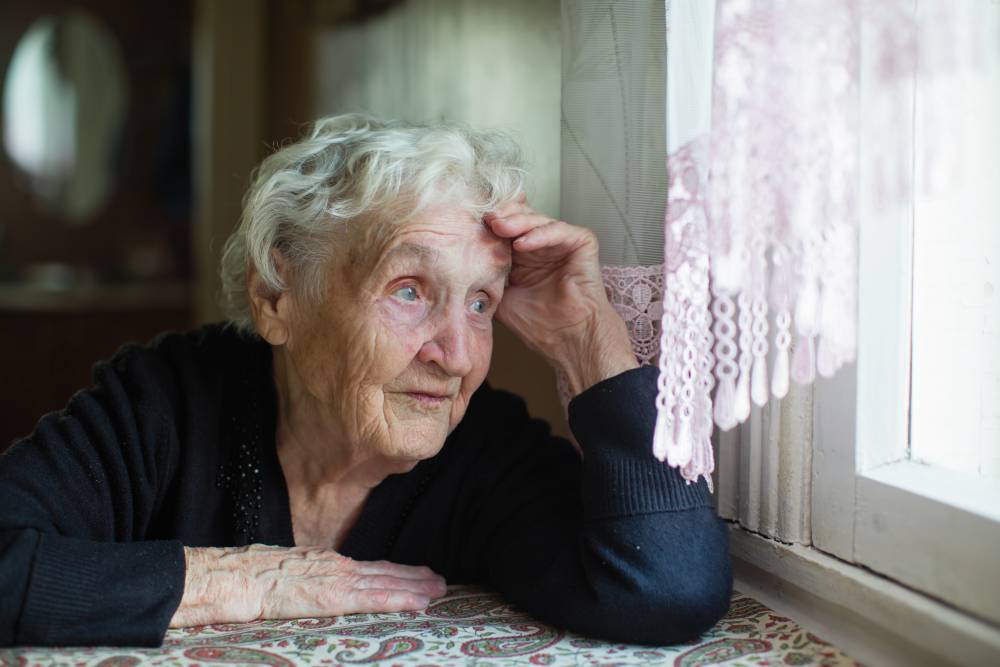
An estimated 460,000 Australians are living with dementia.
While Dementia Australia welcomes the $11.3 million for expert psychosocial supports, the lack of focus on dementia within a $115.5 billion budget in 2020–21 for health, aged care and sport, reveals that dementia is still not receiving the attention it deserves.
Dementia Australia CEO Maree McCabe said the failure to provide targeted and dedicated supports, workforce training and system changes for people living with dementia, their families and carers is concerning.
“There is an assumption that more money for aged care means that quality dementia care will also be addressed.
“The stories highlighted to the Royal Commission into Aged Care Quality and Safety plus those shared by people living with dementia, families and carers during the COVID-19 pandemic starkly reveal that dementia is not core business for the sector,” Ms McCabe said.
“The additional investment in aged care is welcomed.
“However, with more than two thirds of people in residential aged care living with dementia, unless we see dementia-specific targets in workforce training and education, regulation and quality, people with dementia, their families and carers will continue to fall through the gaps.
“The impact of COVID-19 alone demonstrates this. While many members across the community have been impacted by the COVID-19 pandemic, this has disproportionately affected people living with dementia, their families and carers.
“This has resulted in a decline in cognitive functioning and the loss of abilities for many people living with dementia, as a result of changes to routine, lack of mental stimulation and social isolation.
“There is also a subsequent flow-on impact for carers.
“The calls by Dementia Australia to invest in quality dementia care through targeted outreach and early intervention, workforce training and capacity building and its translation into quality dementia has been overlooked in this budget.”
Photo credit: Dima Berkut via iStock


