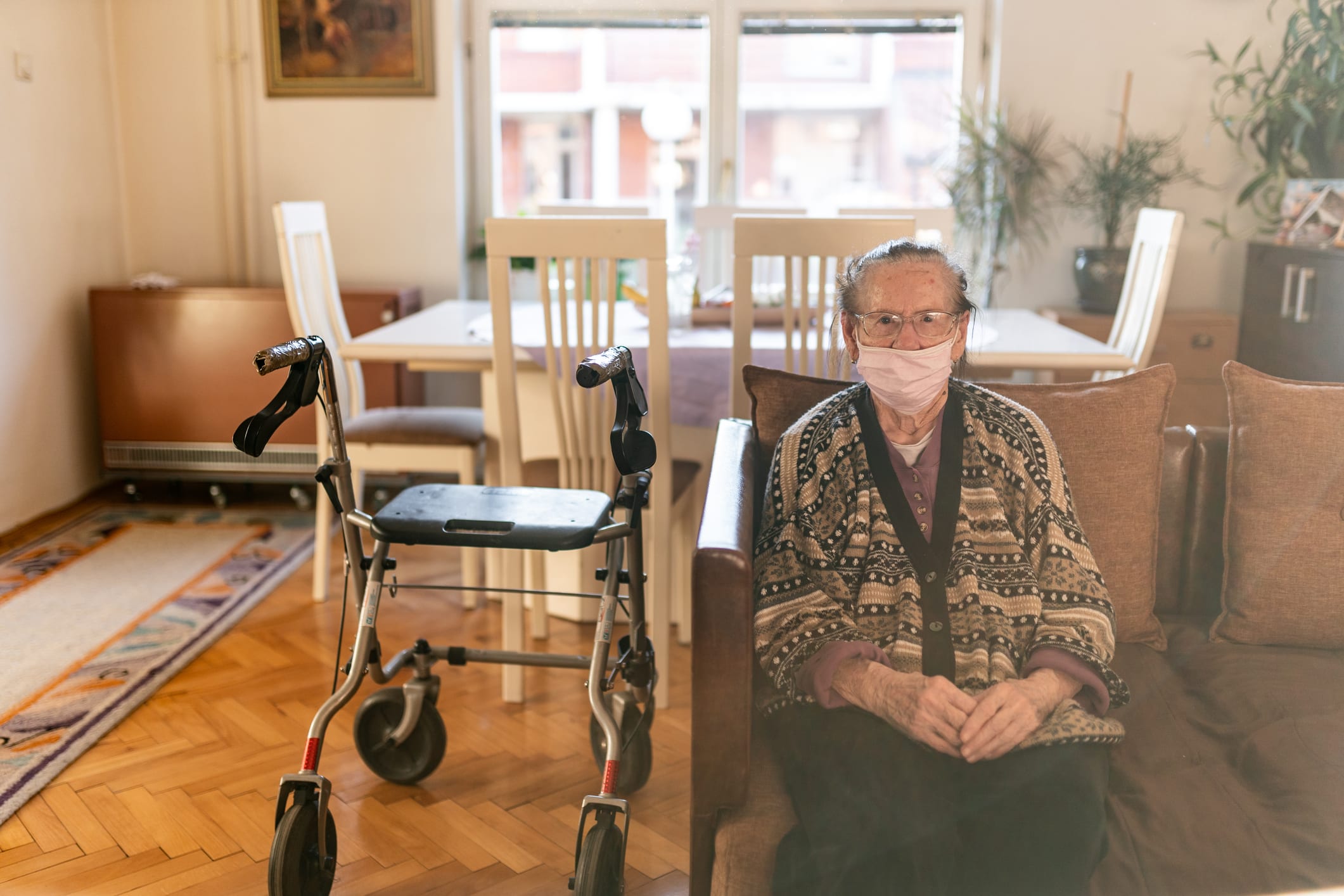
The coronavirus pandemic has put a lot of things into perspective for people all over the world.
For many, however, the pandemic compounded existing issues as we’ve all had to stay indoors for our and our community’s safety.
With 46 per cent of Australians over 65 reporting feeling lonely, and the pandemic requiring extended periods of isolation, that number has no doubt increased.
Loneliness poses a particular risk in older people as it is associated with creating poorer quality of life and health, both physically and mentally. Chronic illness, depression, anxiety, functional and cognitive decline, reduced mobility and increased risk of dementia are all health risks associated with higher levels of loneliness in older people.
This is why the Bolton Clarke Research Institute has created its ‘Connecting Communities – tackling the loneliness epidemic’ social initiative to help reduce rates of loneliness in Australians over 65.
Backing a community approach called ‘social prescribing’, Bolton Clarke is working to link medical and social care by encouraging healthcare providers to formally prescribe social activities to patients who are demonstrating or reporting feelings of loneliness and the conditions that go along with it.
The ‘social prescriptions’ see GPs prescribing social activities and events to older people who are at risk of social isolation and loneliness.
According to Bolton Clarke, social prescribing works best when it is backed by a community-wide approach. Communities and neighbourhoods coming together to activate, plan and execute social events and activities that are planned for and with the people living in them.
“Research shows social prescribing can help improve connections for older people and people who are lonely. It shows what is possible when a neighbourhood is organised and committed to inclusion and helps combat ageist perceptions,” said Bolton Clarke Research Institute.
Bolton Clarke has also been working on their own social initiatives to help ease feelings of loneliness.
Their HOW-R-U? initiative saw volunteers from their corporate volunteering program matched up with older people who want more social connection for a weekly phone call.
These phone calls became a vital form of connection for isolated older people during the pandemic and helped to reduce their feelings of loneliness, depression and social isolation.
They also have been working on an initiative called PoWER, which worked with older women living alone on Victoria’s Mornington Peninsula to co-design interventions to help them better connect with their communities. These interventions included things like exercise buddies and transport assistance.
The Bolton Clarke Research Institute also offered a couple of ways to help older people feel less lonely and isolated from their communities.
There are plenty of ways we can help the older people in our communities feel less isolated. Reaching out to people we know who live alone and maybe struggling or getting involved with any community outreach services are some simple ways we can help reduce feelings of loneliness in older people.
Find what’s right for you and what is the most useful and helpful way to reach out in your community.
“Everyone is different, and what makes their connections meaningful with others depends on the individual; one size does not fit all,” says Bolton Clarke Research Institute.



I’ll happily take my chances in a nursing home with other residents, nurses, friends of residents rather than sitting at home, no visitors, struggling to shop, paying bills, maintenance etc etc.
This would be the loneliest existence, absolutely depressing and unsafe to boot.