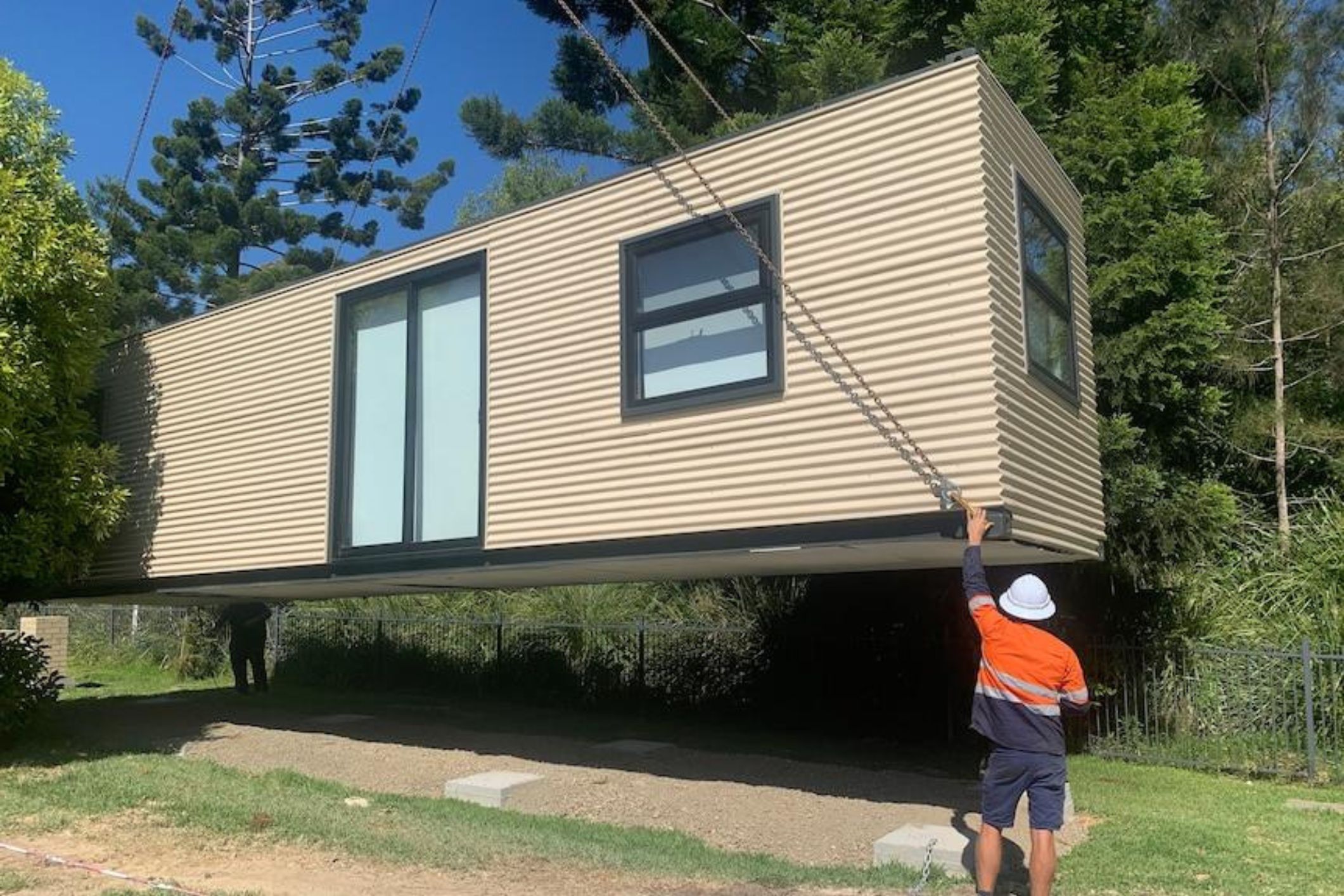
Royal Freemasons’ Benevolent Institution (RFBI) bought houses, granny flats and converted shipping containers to settle overseas nurses into its rural homes. As it turns out, sourcing the accommodation was the easy part. The harder lessons, learned over four years of trial and error, were about people.
Since 2021, RFBI has brought 285 internationally qualified nurses and carers from seven countries into its 22 residential aged care homes, most of which sit in regional and rural areas where local staff are scarce and the 2024 mandatory care minutes requirements have only sharpened the pressure.
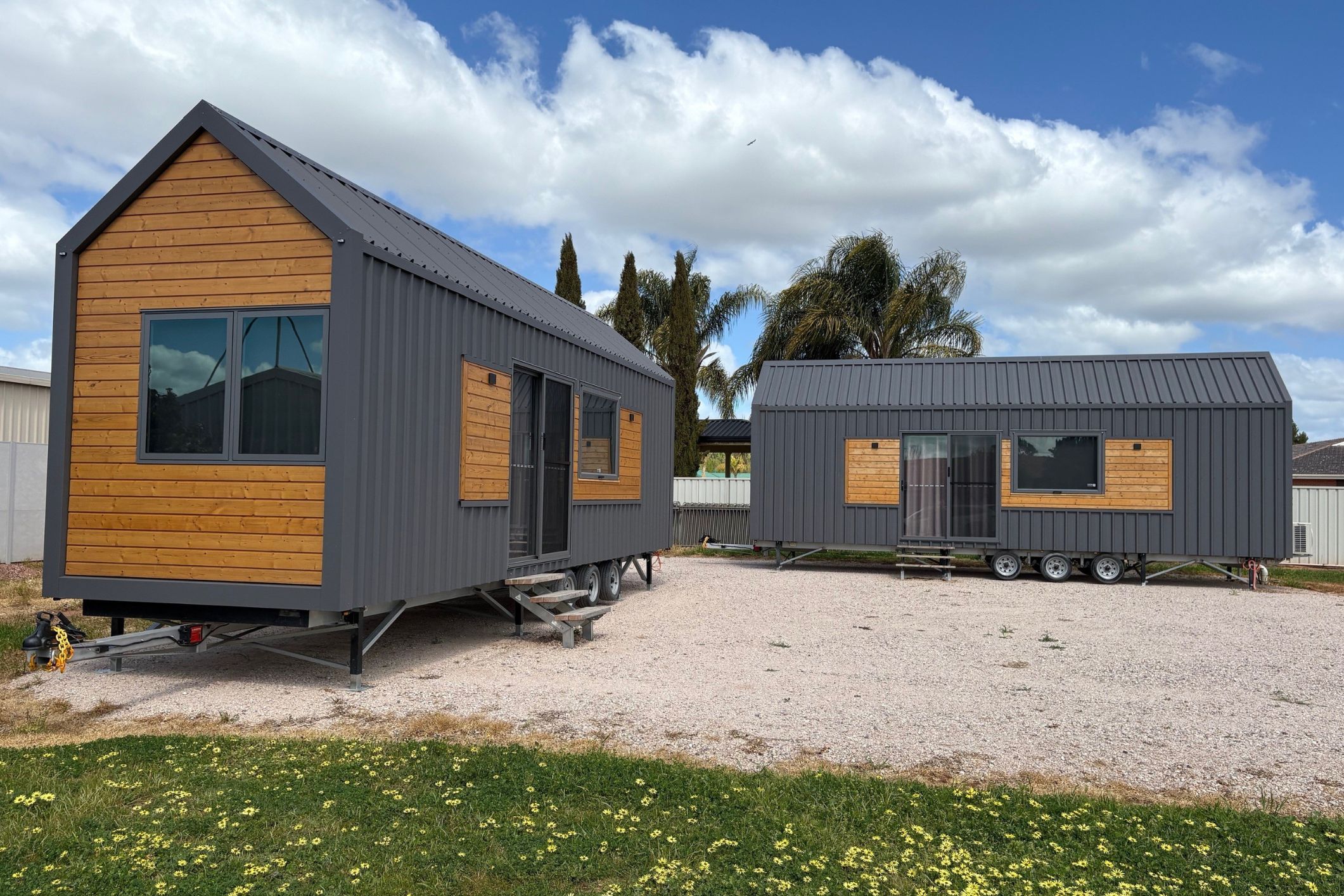
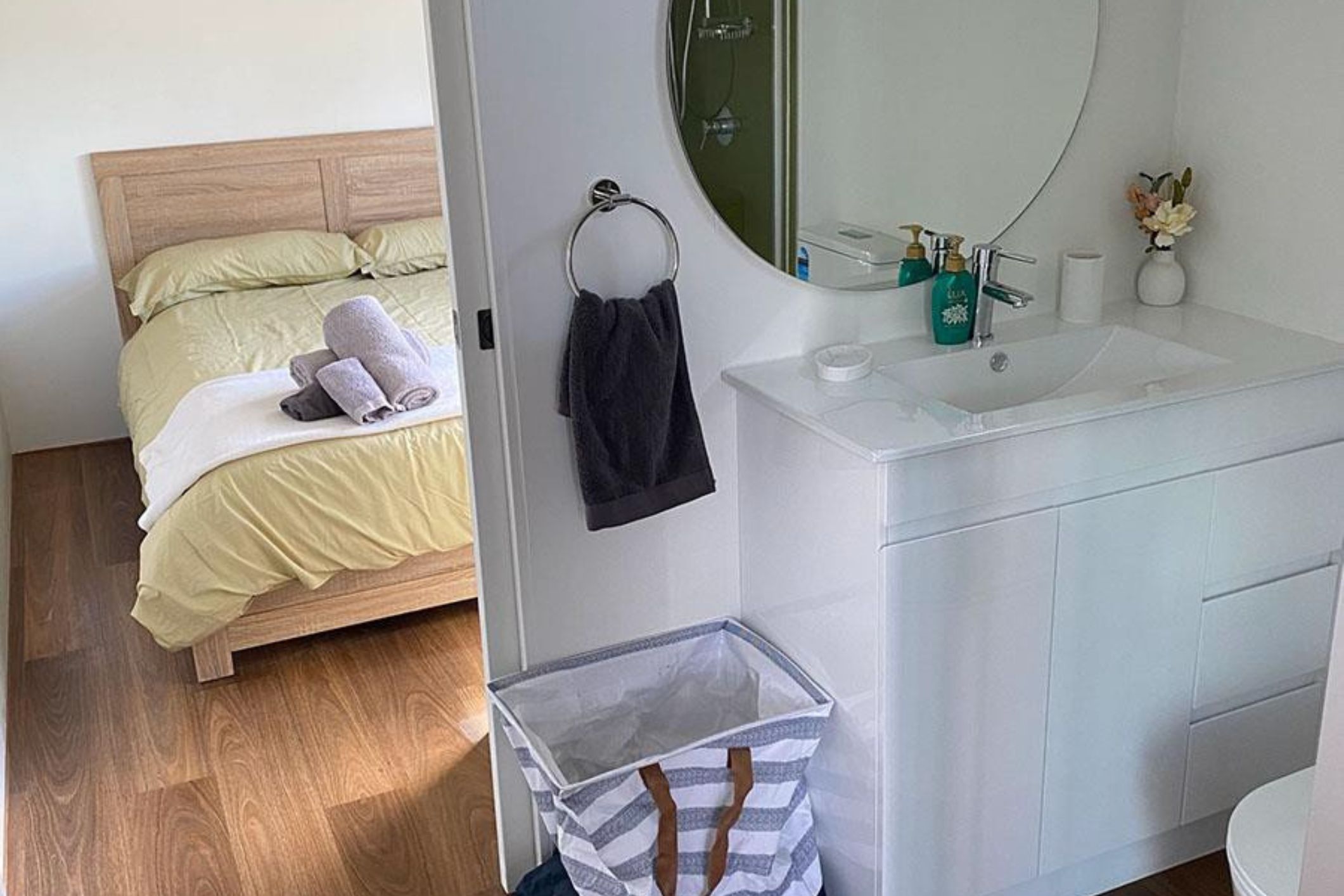
To house them, the organisation drew on a mix of repurposed retirement units, a small number of converted shipping containers, relocatable tiny homes, renovated shared buildings and houses bought in nearby towns.
“It’s a substantial investment in basically real estate, in order to make sure the staff can literally turn up, walk into a home, have everything ready for them,” says Alyson Pearce, RFBI’s Chief Strategy and Innovation Officer.
But ask her what was actually hard about the program, and the answer has nothing to do with bricks and mortar. The properties were sourced, fitted out and ready within a matter of months at each location. What took years to work out was everything that happened once people moved in.
RFBI’s instinct, like many providers setting up staff housing, was to give people their own space wherever possible. It turned out to be the wrong call for some workers.
Pearce recalls a routine welfare check with a new arrival who, on paper, had her own unit. In reality, she had been sleeping on a sofa in a shared two-bedroom property with colleagues most nights, because she had never lived alone before, having moved straight from her parents’ home to her husband’s.
“It wasn’t working,” Pearce says. “So we then try and match people… do you prefer shared or individual housing, so we now try and match that kind of cultural fit to the accommodation that we have available as well.”
That single conversation changed RFBI’s allocation process. The organisation now actively asks new arrivals about their comfort with living alone before placing them, and tries to locate people near existing friends or family connections where it can. It is a reminder, Pearce suggests, that workforce housing decisions cannot be made on floor plans and vacancy rates alone.
Perhaps the most counterintuitive thing RFBI has learned concerns family reunification. The organisation offers three months of rent-free accommodation to new arrivals, but generally cannot accommodate families during that period, and now actively encourages workers to come alone first, even when families are keen to relocate together from day one.
The reasoning is practical rather than ideological. Pearce says staff who brought family with them immediately settled in more slowly and picked up English less quickly, simply because home life carried on in their first language instead of pushing them into the community and workplace.
“It’s very hard to come over, learn a new job, learn a new culture, speak another language, and learn about your environment when you’re struggling to support your family, who are also learning all these things,” Pearce says.
In around 90 per cent of cases, workers now choose to settle in solo first and bring their families over once they have found their own rental property, usually at the end of the three-month period. RFBI still supports the minority who prefer to relocate as a family unit immediately, but the data has shifted the organisation’s default advice.
Early in the program, RFBI realised that workers were arriving with an incomplete picture of the cost of living in Australia, and unrealistic expectations about how much they would be able to send home.
The fix was to front-load every piece of financial information before a worker signs a letter of offer: expected salary, tax, rent, food, phone and energy costs, and, for those with children, the often-overlooked cost of public school fees, which Pearce says can run into thousands of dollars per child, per term.
“We try and make it as transparent as possible,” she says. The three-month rent-free period was designed specifically to give new arrivals a runway to save enough for a bond and the first weeks of independent rent once they move out of RFBI accommodation.
After that, RFBI shifts staff onto a charged, month-by-month arrangement, deliberately easing them into paying rent and house-hunting with support from local teams, rather than cutting them off abruptly.
RFBI’s recruitment strategy has shifted deliberately over time, starting with a small pilot cohort from Nepal, India and Sri Lanka in 2021, expanding to 47 staff across seven countries through its original training partnership, then focusing heavily on Fiji for several years, and most recently opening a new pipeline with Sri Lanka again.
Pearce says the rotation is intentional, not opportunistic. RFBI is conscious that drawing too heavily on any single country’s nursing workforce risks contributing to a brain drain in places that can ill afford to lose qualified staff.
“We’re also trying to manage the fact that we’re conscious that we are taking qualified nurses from those countries and bringing them to Australia,” she says. “So we’re trying to manage the exodus there as well by moving our focus around.”
None of this would have been possible at scale without a specific federal mechanism: the Aged Care Industry Labour Agreement (ACILA), a government initiative designed to address workforce shortages in aged care by streamlining the recruitment of skilled direct care workers from overseas where qualified Australians are not available.
Before ACILA, registered nurses had a dedicated visa pathway, but carers did not.
“That has made a huge difference,” Pearce says. “That’s what we’ve brought all of our carers over on.”
Her one outstanding ask of government is narrow but pointed: remove or subsidise public school fees for the children of aged care workers brought in under these arrangements, which she argues would meaningfully ease the financial pressure on a workforce providers are actively trying to attract and retain.
The least expected dividend, Pearce says, has been the effect on existing residents and local communities. Some RFBI homes now run “armchair travel” sessions introducing the home countries of incoming staff before they arrive, followed by cultural days once new workers have settled in, where they cook food from their own regions for residents and colleagues.
“It’s working really well with that mix of cultures,” Pearce says, “particularly in some of the regional and rural areas where they have a lot of overseas people and others don’t.”
Buying and fitting out properties, even unconventional ones like shipping containers and relocatable tiny homes, was, in RFBI’s experience, the straightforward part of this program.
The real work, spread across four years and 285 placements, was learning how people actually settle: sequencing family reunification, matching accommodation to individual comfort levels, being radically upfront about costs, and recruiting in a way that does not simply transfer a workforce shortage from one country to another.
For other regional and rural providers facing the same staffing pressures, that body of trial and error is arguably a more useful export than the floor plans.



I always like to hear how these programs work out. Often you hear about the start up then never hear how they are going
This is an amazing initiative. So many positives for everyone.
Our rural and remote areas are benefitting from the cultural diversity and the local care of their elderly loved ones.
All the best for the future growth of the program.
Congratulations on developing, evaluating and refining your model. I’ve read many articles and been in committees discussing the health workforce, this is this first one that has openly discussed the ethics of taking workers from overseas and considered the drain on their home county. Congratulations on your position here. I completely agree with your ask for free access to public school/ Many temporary migrant workers could not afford the fees for public schools, which vary greatly across the country but can be many thousands of dollars. It’s the same for access to immunization programs for temporary workers, with any excluded from our national program. well done Royal Freemasons’ Benevolent Institution (RFBI)