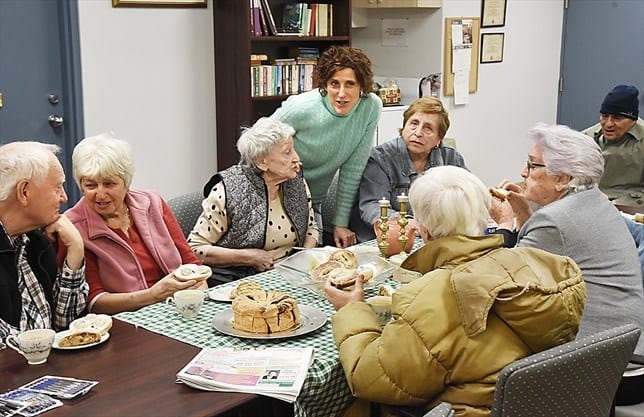
It is fascinating to look at the statistical information gathered about aged care services in Australia. 249,000 (equates to almost a quarter of a million!) people were using these services on 30 June 2016.
As I regularly visit aged care facilities on inspections for my clients to find the most suitable facility for their particular needs, many of these statistics are seen as realities to my eyes.
For example, two out three people in aged care are women; ofcourse in my role as an Aged Care Placement Consultant I see this myself.
Apparently the reason they outnumber men in aged care services is because on average women live longer and have higher care needs at these older ages.
One of the sadder statistics is that Aboriginal and Torres Strait Islander people in residential care are on average younger than non-Indigenous people.
The reason for this may be because of their more complex health needs and shorter life expectancies. Interestingly, Aboriginal and Torres Strait Islander people only account for 1% of all people in permanent residential aged care and make up 4% of people in home care.
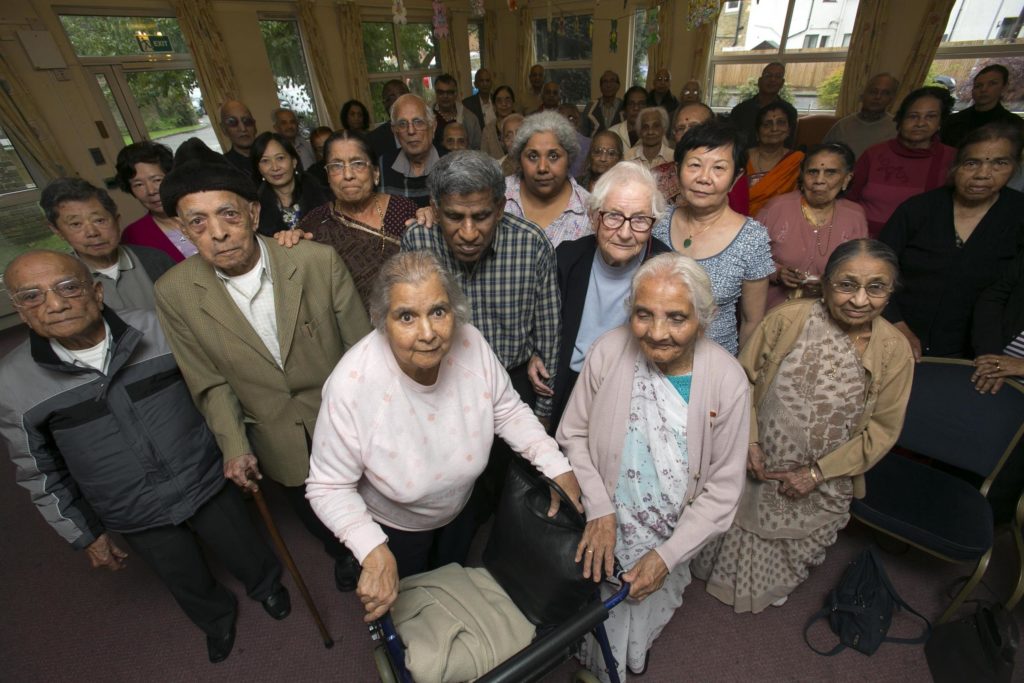
32% of people who are in aged care services were born overseas. This is in direct correlation with migration statistics, with 36% of people aged 65 years and over in Australia having been born overseas. This stat gives clear evidence as to the need for more culturally appropriate services in aged care for this group.
Statistics on respite care in residential care facilities reflect how important these facilities are for respite in remote regions.
Major cities only recorded 2.6% of the people in residential care facilities being there for respite.
There was an outward radiating statistic for this group the more remote the facility was, with inner regional being 3.1%, outer regional being 3.6% and remote and very remote being 4.6%. One assumes this is because there are not many other respite facilities available in these regions.
This content was originally published on Oasis Aged Care Solutions
What do you have to say? Comment, share and like below.


