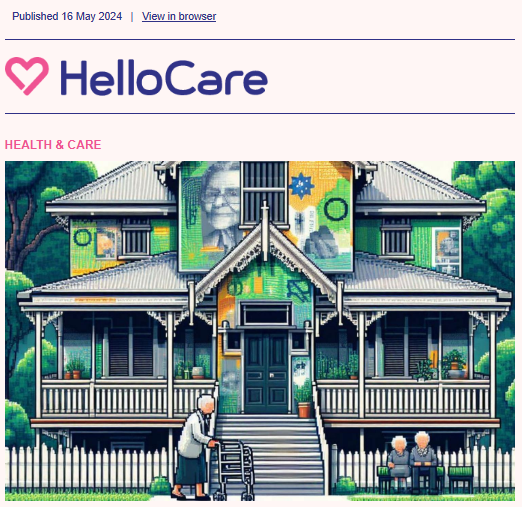
“People need help now, not in 12 months.” A new survey has captured the frustrations of older Australians waiting for Support at Home services, with residents calling for a simpler system that delivers care when it is needed.
Read more
Only one in four people applying to the NDIS with a psychosocial disability are currently approved. Proposed changes to eligibility could make access even more difficult, while also limiting avenues to challenge decisions.
Read More
Ageing gives us something we rarely have when we are young: perspective. In his latest reflection, Michael Preston explores the memories, regrets, relationships and lessons that shape our later years, and why making the most of the present matters.
Read More
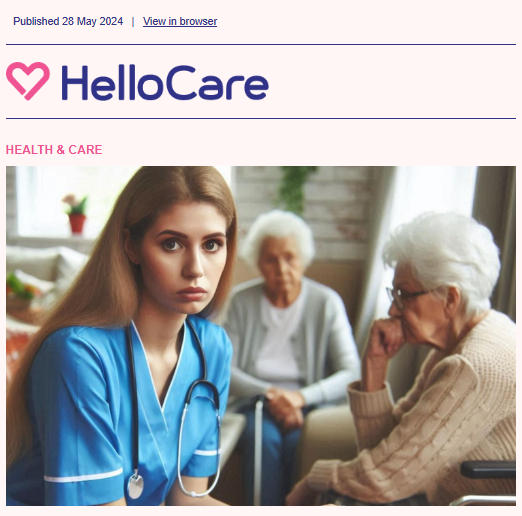
New ANMF survey data suggests mandated care minutes are being met on paper, while the skilled nursing workforce delivering that care quietly shrinks.
Read More
Shingles (herpes zoster) is often thought of as an older person’s disease. But with reported cases up in younger adults, should the free vaccine be expanded?
Read More
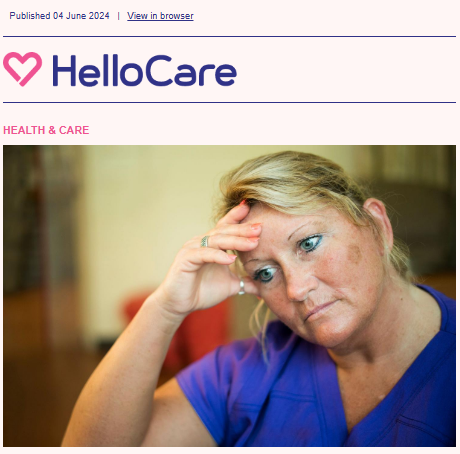
A new ANMF survey finds 96% of aged care workers have experienced or witnessed workplace violence in the past year. Workers say the bigger problem is what happens, or doesn't, after they report it.
Read More
When parents help their children buy a home, are they giving them a gift or expecting the money back? New research reveals how unclear arrangements can create serious family conflict down the track.
Read More
#WisdomWednesday
Wisdom Wednesday is about celebrating the experience and wisdom of our elders across the globe through storytelling. It's through these stories that we attempt to elevate their often unspoken worth and value of age unwittingly lost to peers and future generations.
Do you have an elders story to share or are you an elder yourself that would like to be interviewed? Help us celebrate the lives of older Australians through Wisdom Wednesday, a weekly segment posted every Wednesday.
Our older generation are by definition the most experienced members of our community, but as they age and transition into more passive, physically constrained roles in society, their importance often dwindles, particularly so as they enter long-term care.