
Poor nutrition is a common health problem for ageing people. That said for people with dementia, maintaining good nutrition presents an extra challenge, as people with dementia overtime may begin to experience the following:
Ensuring they get the right amount of nutrition from the food they eat is important as it will affect their health and quality of life. Poorly nourished people regardless of whether they have dementia or not are slower to recover from illness or injury and get sick more often.
There are however some things for caregivers and loved ones of those with dementia to consider based on recommendations from the Australian Nutritional Guidelines that we thought we would share.
Here are some things for you to consider:
Let us help you understand what exactly are considered to be ‘nutritional foods’. For people with dementia their nutritional requirements are similar to the recommendations for people of their own age. It may differ however if the person with dementia is physically active throughout the day with frequent and continuous pacing. Which will mean they will be burning a lot of energy, and therefore they will need to eat larger amounts to ensure they don’t lose too much weight.

At least three balanced meals a day that includes:
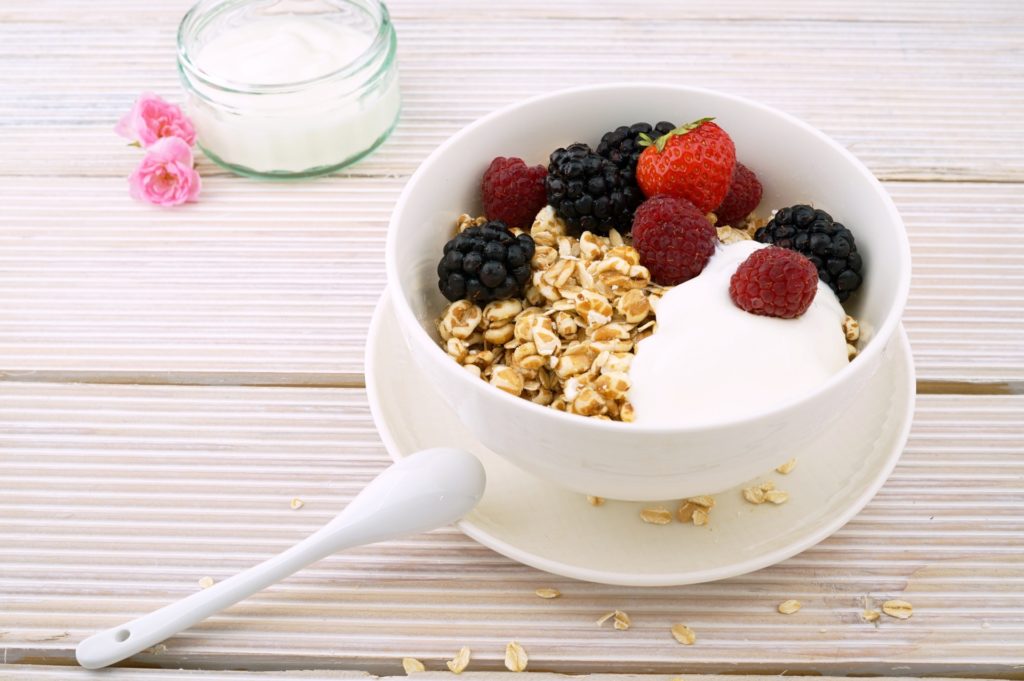
Along with frequent, smaller meals, try and see if the person with dementia will eat any of the following:
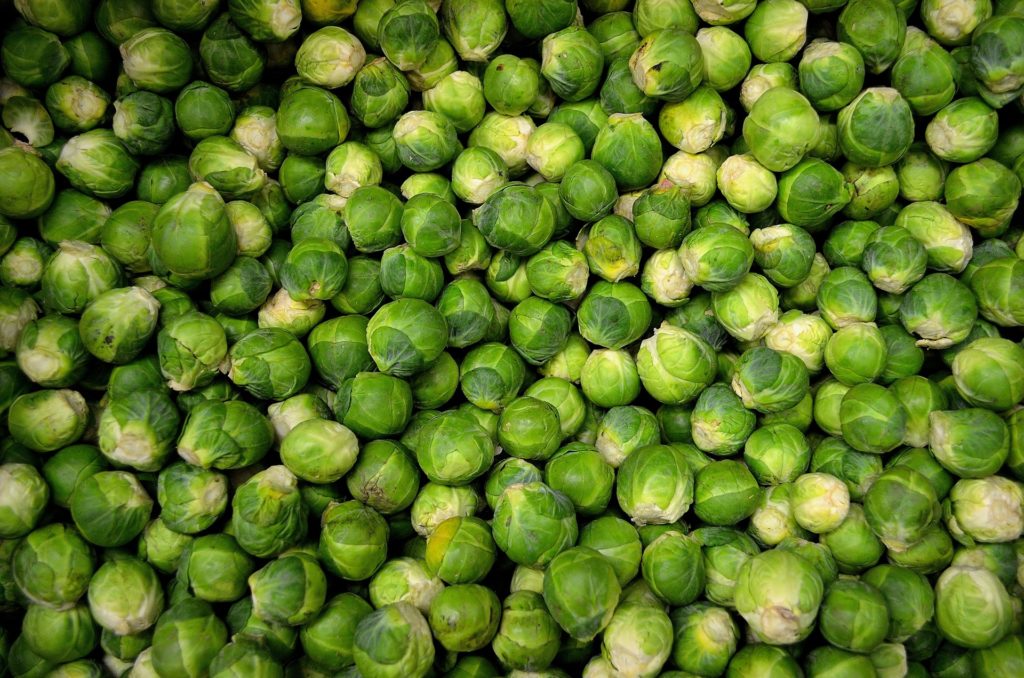
All of these items, contain vitamins that have been shown to be healthy for brain function. If the person you care simply does not want to eat these foods then we suggest seeking advice from a dietitian for some alternative suggests that they may want to eat.
Maintaining a healthy diet for as long as possible is an important factor for caring for someone with dementia. Not only can it help improve their mental condition, but it can keep the rest of their body functioning properly as well.
Impairment to taste and smell senses can reduce appetite – the preparation of tasty, strongly flavoured and aromatic food may help and allow time for the memory to respond.
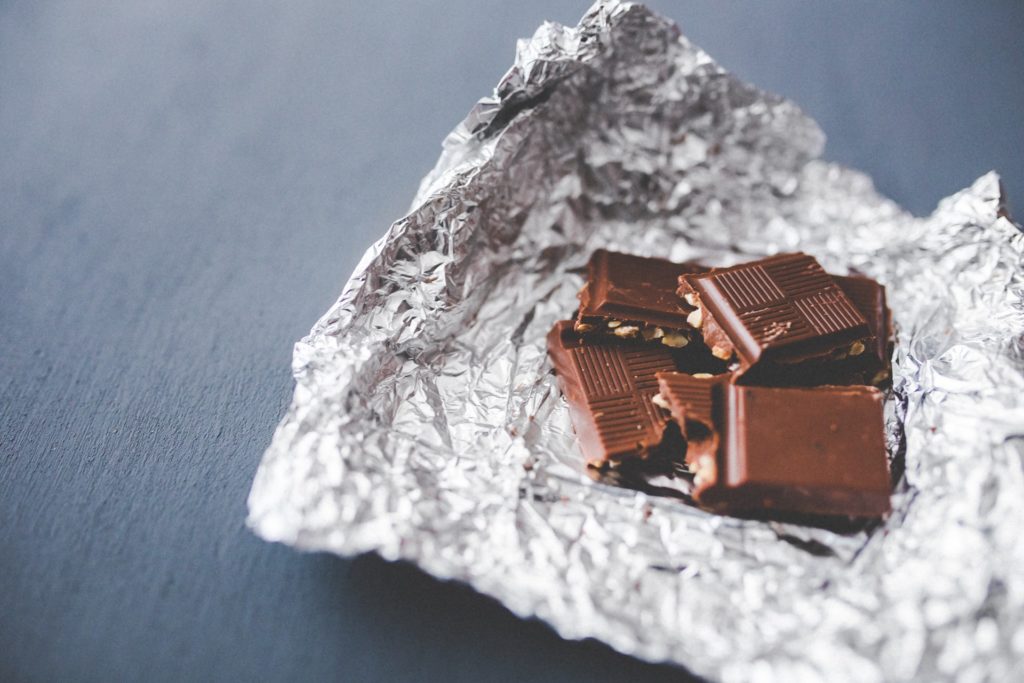
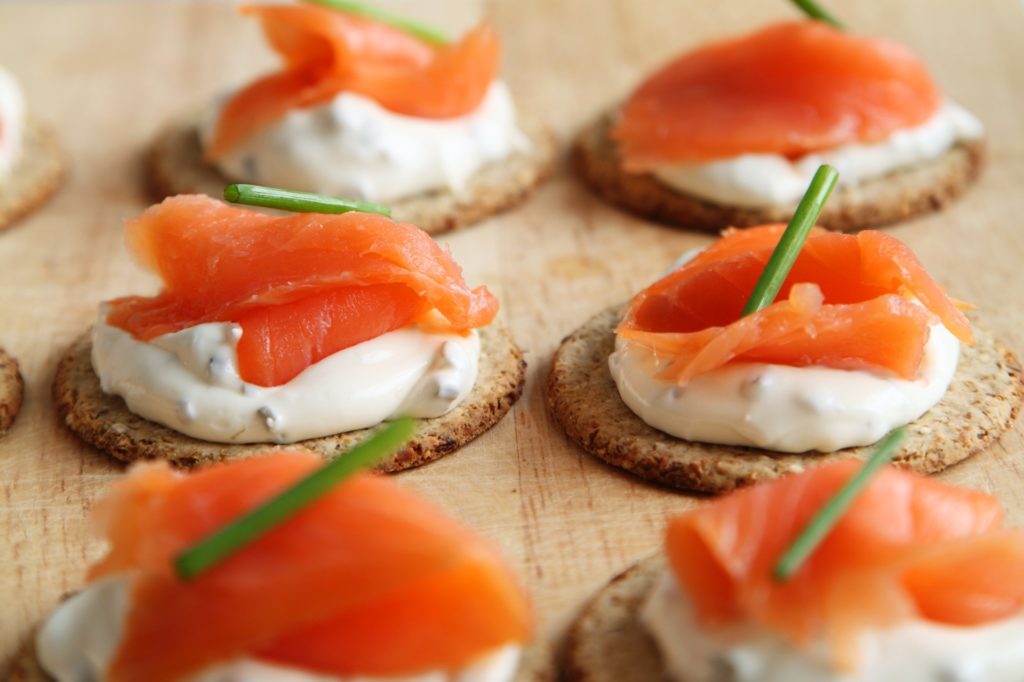
If the person with dementia is finding it difficult to use cutlery then work around this and provide food that can be eaten with dignity where possible. Many experts say that focusing on finger foods that are nutritious can be a good alternative. Making it easy enough to be eaten with their fingers, which can help maintain their dignity as they can continue to feed themselves independently.
Other tips during meal time, make sure you are limiting the number of distractions. Put away phones and turn off the TV to allow the person to focus on their meal. Allow plenty of time to eat, which will help keep them from feeling rushed and confused.
Monitor for signs that the person with dementia is losing their appetite, experiencing discomfort when they eat, or coughing. In some cases, they may in fact have other medical conditions that need to be addressed by their doctor.


