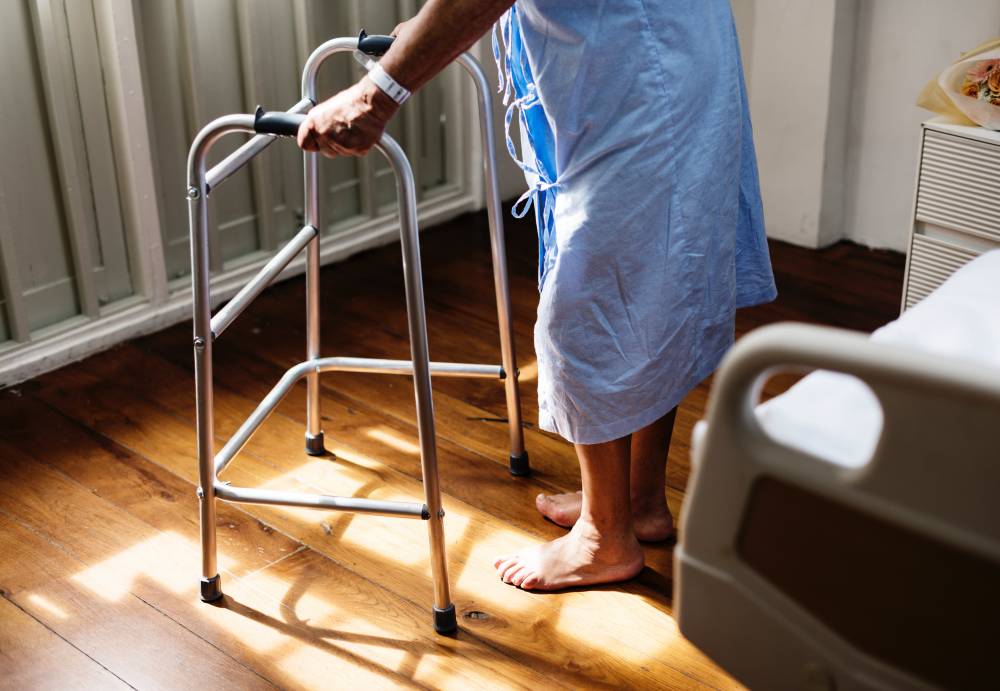
We hate to hear that an elderly family member has broken their hip.
Why?
Well, aside from the fact we never want to see someone we love in pain, we know that breaking a hip, more than breaking any other bone has the potential to see a significant decline in the person’s quality of life and overall health.
What you may not be aware of is the rather confronting fact that it also increases the chance they will die within the next twelve months, or even sooner if they are very frail.
Research has shown an increase in mortality after surgery with increasing age. Mortality was 2% for patients younger than 70 years and more than 27% for those aged 90 years or older.
Hip fractures are extremely common. Every day, more than 40 people break their hip in Australia.
Hip fractures are most likely to occur in people 65 years of age and older, but more than half occur in people over 85.
Hip fractures are usually the result of a fall, either while walking, standing or from bed, or a collision, for example with another person, an animal, or furniture.
Forty-seven per cent of falls occur in private homes, and 32% occur in aged care facilities.
However, hip fractures sometimes occur without any impact; for example they can occur when someone simply stands up.
Common risk factors for hip fractures include:
Breaking a hip has all sorts of serious consequences as mentioned earlier.
It means loss of mobility, loss of independence, and decreased social engagement.
Of the 40 hip fractures that occur daily in Australia, two of the patients will die in hospital, and four will go into aged care.
After a year, more than half won’t be able to walk as well as they could before the fracture, and another seven will have died.
When a patient presents at the hospital with a suspected hip fracture, they will usually have an x-ray, have their pain assessed and treated, and they will undergo a cognitive assessment.
In Australian, more than three-quarters of people who have a hip fracture will undergo surgery to have the joint replaced.
Whether or not surgery will occur depends on the patient’s wishes, and whether the medical team considers an operation won’t present an unreasonable risk to the patient.
Treatment after surgery can make a big difference to quality of life and longevity after a hip fracture.
Data suggests that increasing physical activity as soon as possible after surgery reduces the likelihood of death soon after the operation. Activity in groups can also help to alleviate social isolation.
In particular, postoperative treatment should include training to improve mobility, increase range of motion and strength, and maximise function.
And if surgery has not taken place, the above treatments are also important to encourage mobility and independence.
Data has shown that if the person had a good diet at the time of the hip fracture, they are more likely to be able to walk unaided six months afterwards.
Taking protein supplements along with physical activity is known to increase muscle mass and function, so could decrease the likelihood of falls and fractures in the future.
Complications from the fracture itself – such as internal bleeding or infection – can increase the chance of dying after a hip fracture.
Research shows that having a pre-existing condition – such as heart disease, stroke, or pneumonia – also significantly increases the chance of dying.
Complications from the surgery – such as infection and loss of mobility – also make death more likely after a hip fracture.
There are two ways to prevent hip fractures – preventing falls and collisions, and strengthening bones so they are less likely to break.
The best ways to avoid hip fractures are:


