Experts say virtual healthcare should be a necessity as allied health services look for new ways to provide accessible services to ageing people in metropolitan and rural areas.
Key points:
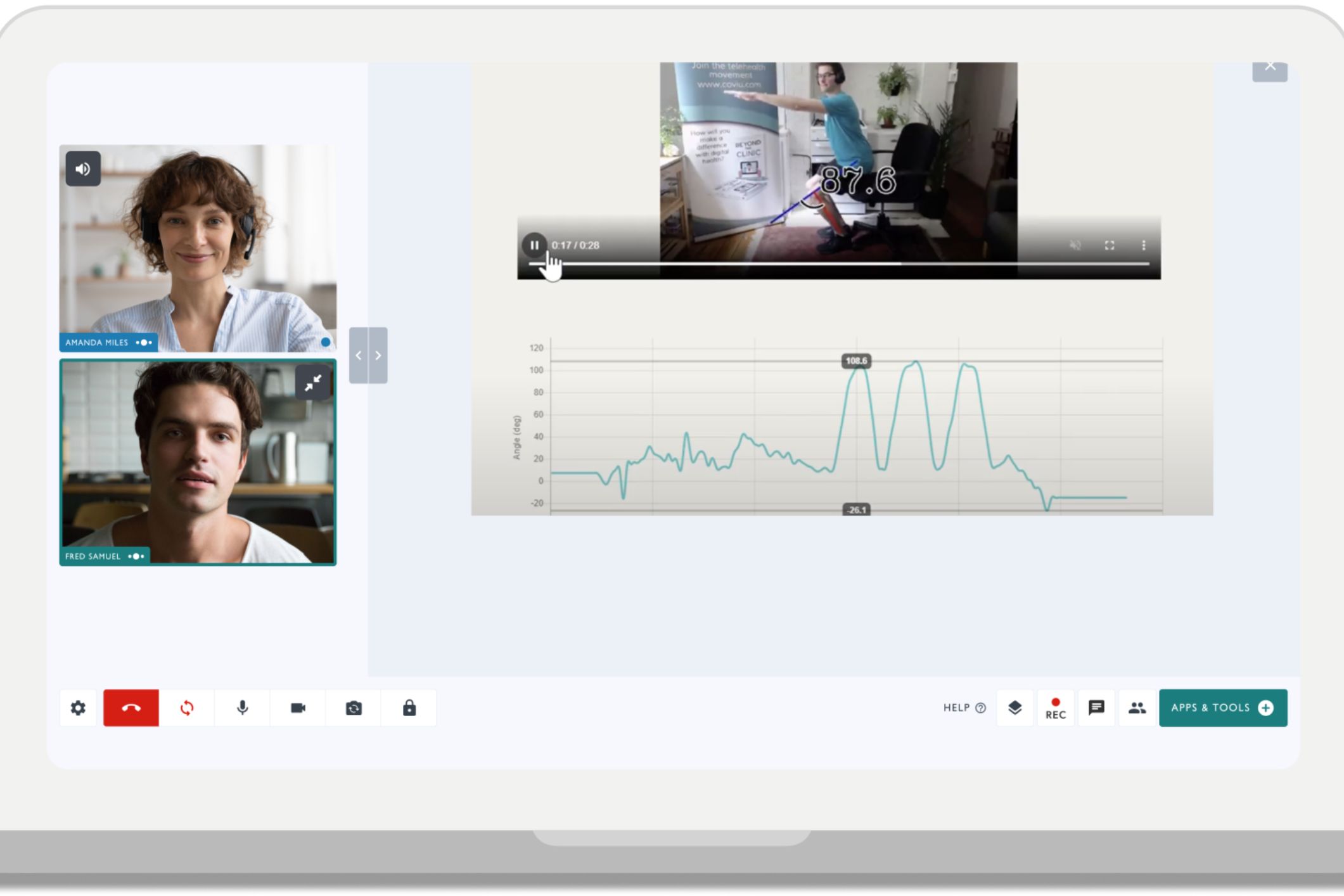
COVID-19’s impact on healthcare was sudden and dramatic: in-person consultations were replaced by telehealth appointments across a variety of applications. But just as most people return to the doctor’s in person, Jenny Aiken, Coviu Director and former Australian Physiotherapy Association (APA) Vice President, said we have to embrace the exciting opportunities presented by our tech growth.
“We need to see platforms like Coviu as the enablers of new models of virtual care. It becomes the technology that practitioners and patients are used to, and it enables us to have different models of care to address this looming healthcare crisis because of a lack of healthcare professionals and an ageing and increasing population,” Ms Aiken said.
“If we keep doing the same thing we’re going to be in trouble, we’re already getting into trouble in terms of the number of health professionals. So I think it’s about access. You create equal access whether people are disabled or mobile, regional or remote; there’s access to care.”
Telehealth is not viewed as a replacement for direct care. Instead, experts see it as a benefit for aged care residents, older people living at home, and those in regional and remote areas with limited healthcare professionals nearby.
Home care recipients such as 88-year-old Stan have accessed physio telehealth services through a program called TOP UP, and he praised its impact on his walking, fitness and balance – all of which will lead to his first-ever parachute jump as an 89th birthday present to himself.
“It is great to be able to talk to a physio over Zoom from the comfort of my own home and I really like the videos and balance app so I can exercise on my own. I really enjoy having a care worker exercise with me each week — she keeps it fun and keeps me motivated,” he said.
“I believe telehealth is here to stay as I saw firsthand the isolation COVID-19 created when my wife was in a nursing home. It would have been great if she could have seen a physio using telehealth.”
Telehealth consultations could provide preventative healthcare for ageing people, promoting a better quality of life and potentially reducing the number of falls experienced. Rik Dawson, APA vice president, said virtual healthcare would reduce the burden on healthcare systems through triaging, preventative measures and ongoing symptom management.
“By 2030 there’s going to be more people aged over 65 than young people for the first time ever in history and that’s only six years away,” Mr Dawson said.
“Remote and regional areas feature large delays when medical professionals are driving out because it could take one or two days just to see a single patient. Telehealth is enabling them to have double the efficiency at this stage and that’s just through access and video conferencing.”
“What we do using telehealth to teach greater health literacy is going to be transformative.”
Professionally designed programs will require buy-in from aged care providers, however. Mr Dawson said the best examples of this include providers with dedicated telehealth spaces and on-site support workers who work with a lead physiotherapist. There’s no need to have a physio on site each and every time, although they’re always virtually present.
Whiddon Aged Care has adopted telehealth for the delivery of allied health services. Executive General Manager for Research & Positive Ageing, Karn Nelson, said they had no hesitation in supporting the initiative with the help of their own trained care workers.
“Telehealth has emerged as a vital service for older people who don’t have the opportunity to see a physiotherapist face to face. Increasingly we are finding it difficult to access experienced physiotherapists for our clients in rural and remote areas. We have also found many of our clients like the option of following the simple exercise programs the physios provide online in their own homes,” Ms Nelson said.
With a current shortage of healthcare professionals and aged care workers, do you believe virtual healthcare could improve the quality of care for aged care residents?


