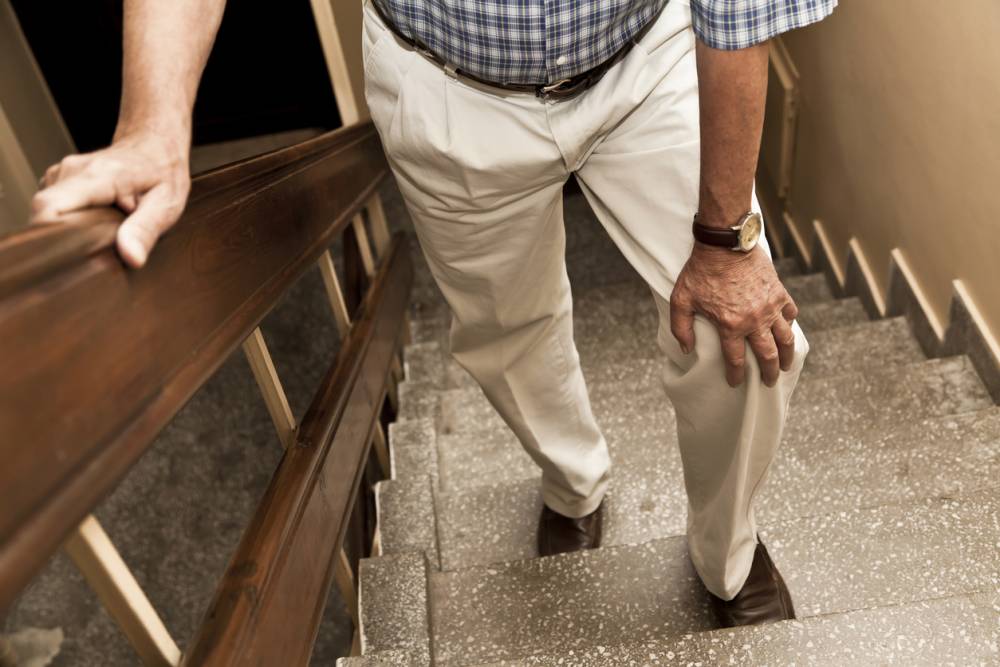
Pain is defined as an “unpleasant sensory and emotional experience associated with actual or potential tissue damage”, or described in terms of such damage.
Pain is uncomfortable for anyone at any age, but when a person ages, does the way they feel and perceive pain differ to that of a younger person?
The mechanism by which pain is perceived is very complex. There does appear to be some age‐related changes, but older people don’t perceive less pain than younger people.
Under normal physiological conditions, older people may be less sensitive to low levels of stimuli – for example they have a higher pain threshold – but they tend to be more sensitive to higher levels of stimuli – meaning that they have a lower ability to tolerate more severe pain.
Clinically this means that there may be a lower margin between when pain is first noticed and when pain can no longer be tolerated.
However, from a practical perspective, the individual’s report or experience of pain is what is most clinically relevant.
Pain is what the resident says it is and this is what must be treated.
Pain is not an inherent part of ageing and yet so many older people struggle with chronic pain.
Chronic pain is pain that persists beyond the normal time of healing or recovery and is conservatively defined as pain persisting for longer than 3 months.
Chronic pain is mainly due to the increasing prevalence of age‐related disorders such as dementia, osteoarthritis, osteoporosis and peripheral vascular disease.
It is estimated that up to nine out of 10 residents of aged care facilities may be experiencing chronic pain.
One systematic review found that there were more reports of pain in studies where residents were being asked about their own pain, as opposed to studies where the reports of pain came from medical charts or interviewing nursing home managers and staff.
However not all residents are able to report pain, such as those with severe dementia.
A NSW study of residents of aged care facilities found that 40% of residents were verbally non‐communicative and unable to indicate whether they were in pain or not.
Generally older people may be reluctant to report pain despite substantial impairment. There can be many reasons for this including:
To improve the management of pain, it has been proposed that “pain” becomes another vital sign that is checked for by medical staff – after temperature, pulse, blood pressure and respiration rate.
Pain needs to be assessed regularly and the presence of pain should be investigated on admission, whenever there are significant changes in condition or behaviour, and routinely – every few weeks/months for example.
The best indicator of pain is the resident’s own report. Hence, residents able to report pain, including those with mild to moderate dementia, need to be asked regularly about the presence of pain.
It should be noted that even for people with mild to moderate dementia, having them self‐report their pain is more reliable than relying on carer or informant reports of pain.
Key components of the assessment of pain are summarised on this slide and include:
What do you have to say? Comment, share and like below.





