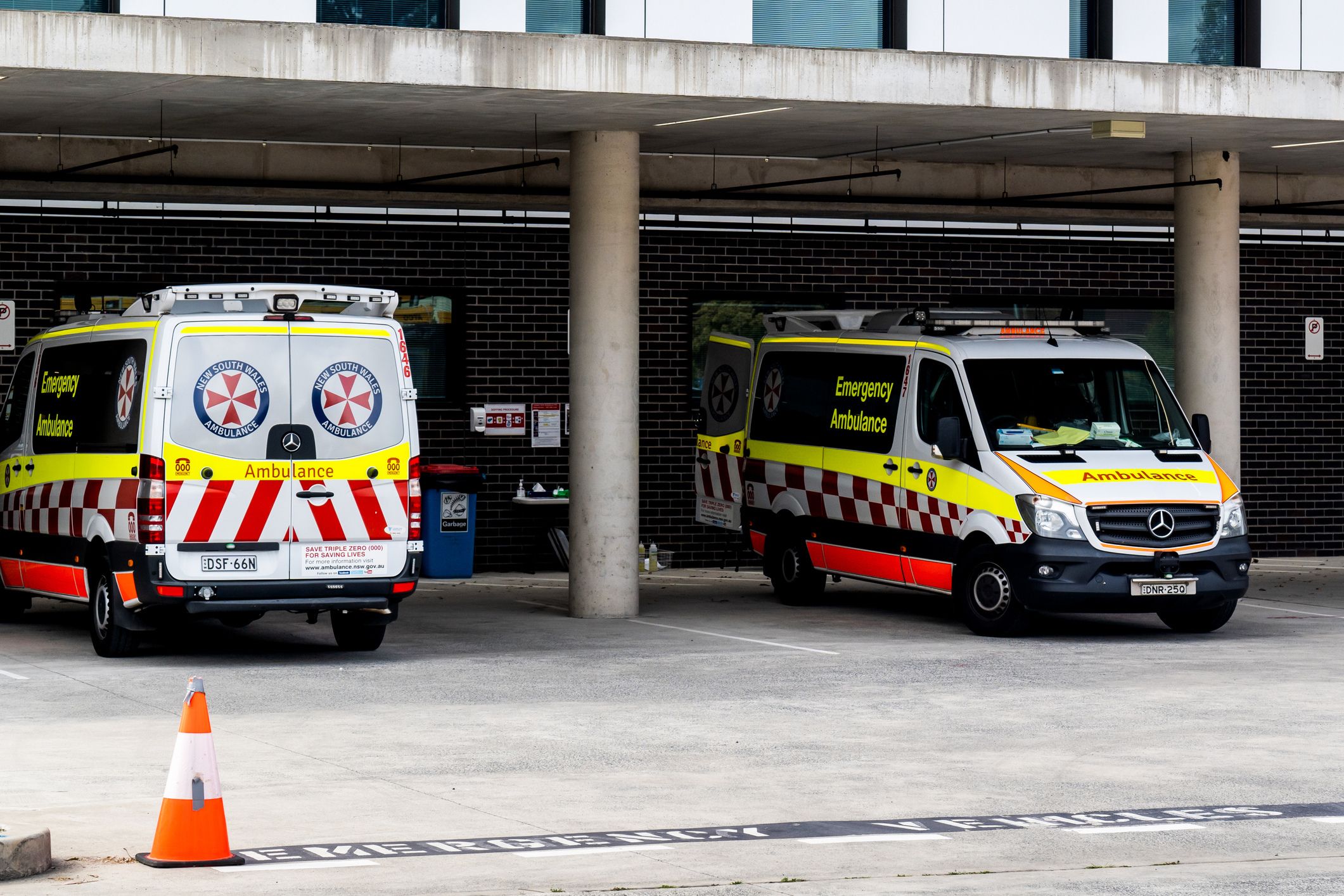
An elderly retirement home resident has tragically passed away after enduring an agonising five-hour wait for an ambulance. This devastating incident occurred on July 10, exposing deep flaws in emergency response systems that continue to plague Australia’s healthcare sector.
The man had reportedly experienced a critical health crisis requiring immediate medical attention. Despite the urgency of his condition, the response time for an ambulance, initially slated as a priority 3, was drastically delayed. Even though this was later escalated to priority 1, which typically demands an ambulance’s arrival within eight minutes, the vehicle arrived far too late to alter the outcome.
Compounding this tragedy is the fact that the nearest ambulance station was a mere 1 kilometre away from the retirement home. The delay, attributed to severe congestion in local hospitals, underscores the ongoing crisis in emergency medical services.
Recent statistics reveal an alarming rise in ambulance ramping, with a staggering 5,539 hours lost to delays in South Australia alone in July. This troubling figure highlights the systemic issues that have plagued the health service despite previous government promises of reform. Ramping occurs when ambulances are held up outside hospitals because emergency departments are overwhelmed, leading to a domino effect that severely impacts response times for other emergencies.
The situation on the night of this tragic event was particularly grim, with other patients also experiencing prolonged ramping times ranging from nearly nine to twelve hours. Such delays not only exacerbate the strain on emergency services but also place lives at greater risk.
Leah Watkins, state secretary of the Ambulance Employees Association (AEA), expressed deep concern over the dire conditions faced by paramedics. She described the current state of emergency response as akin to “playing Russian roulette,” where the ability to attend to urgent calls is severely compromised by the backlog at hospital emergency departments.
Health Minister Chris Picton has publicly extended his condolences to the bereaved family and assured that a thorough investigation by the Coroner will be conducted. He acknowledged the distressing situation and committed to efforts aimed at improving ambulance response times. However, he also acknowledged the challenges ahead, indicating that further investments and reforms are needed to address these systemic issues.
In stark contrast, Opposition figures have criticised the government’s handling of the crisis. John Gardner, deputy leader of the Opposition, has condemned the state of the healthcare system as a “failure” of the current administration, citing the record figures of ramping hours as evidence of unmet promises and ineffective management.
This incident has cast a harsh light on the urgent need for reform within the emergency medical services and has brought into sharp focus the human cost of administrative and systemic failings. As the investigation unfolds, there will be heightened scrutiny on the measures taken to prevent such tragedies in the future.



This is so very sad..I want to add that I am appalled that some Homecare Providers use the Ambulance system as a “go to”…The staff are told if they are unsure,just call the Ambulance…
These instructions come from their management..I have had to turn the Ambulance away 3 times in the last 12 months because it was something I could deal with myself and I wasn’t advised the provider called them so I have asked the Ambos,’please don’t worry ,I can deal with this situation,I would rather you go and help someone who needs urgent help or is dying’…