



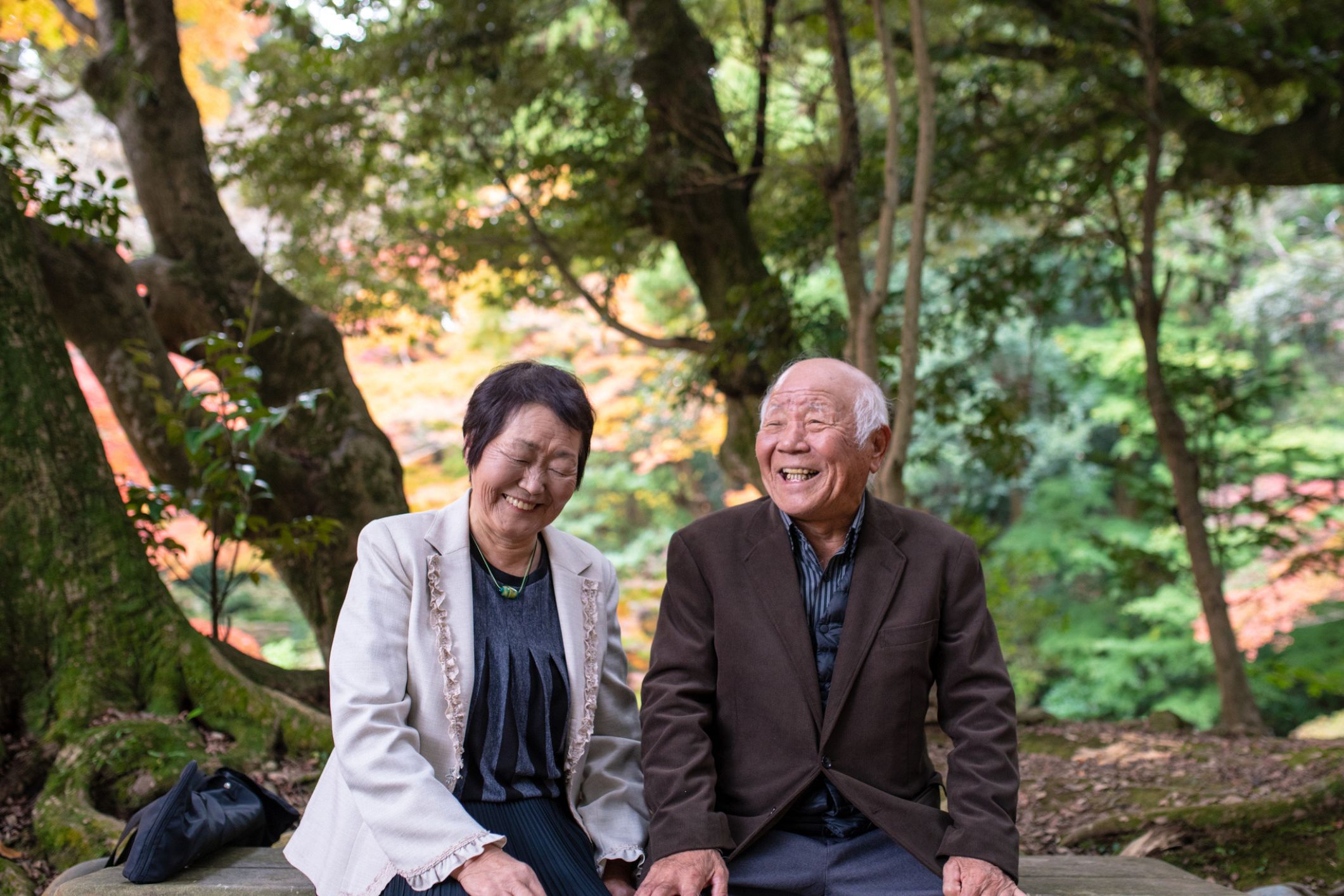
What makes a good retirement? I’ve been researching the lives of “silver backpackers”: Japanese seniors who embark on a later-life journey of self-discovery.
Many experienced Japan’s high-growth economy, characterised by rigid gender roles. For many men who worked as iconic cultural figures of sarariiman (white collar workers), excessive working hours were normalised and expected. Their absence from home was compensated by their female partners, many full-time stay-at-home mothers.
Entering their 60s meant either retirement from work, or children leaving home. For men and women, retirement is understood as an opportunity to live a life for themselves, leading to a journey of self-discovery.
Dedicating life to work
I interviewed more than 100 older Japanese women and men and found a significant disparity in the quality of life between them.
Japanese retired men who led a work-oriented life struggled to find meaning at the initial stages of retirement.
One man I spoke to retired at the age of 60 from a large trading company. He was a successful businessman, having travelled the world and held various managerial positions in the company. His wife looked after the children most of the time.
They bought a house with a yard in a suburb so the children could attend a good school. It significantly increased his commute, and further reduced his time with children. He also worked on weekends. He barely had time to develop his hobbies or get to know his neighbours.

Roméo A./Unsplash
He idealised his retirement as a time to finally spend with his family and develop his own hobbies. When he retired, however, he realised that he and his family didn’t have any common topics of conversation.
Through decades of excessive hours spent at work away from home, the rest of the family established a routine that did not include him. Taking up new hobbies at the age of 60 was not as easy as he thought, nor was making new friends at this age.
“I became a nureochiba,” he lamented. Nureochiba refers to the wet fallen leaves that linger and are difficult to get rid of. The term is commonly used to describe retired men with no friends or hobbies who constantly accompany their wives.
The retirement for many former sarariiman was characterised by boredom – having nowhere to go to or having nothing to do. The sense of boredom led to a sense of isolation and low confidence in old age. Many older Japanese men I spoke to lament not having built a connection with their children or communities at a younger age.
Dedicating life to family and community
Older Japanese women I spoke with were more well-connected with their children and local communities in later life. Many were in regular contact with their children through visits, phone calls and messages. Some continued to care for them by providing food or by looking after grandchildren. Children very much appreciated them.
Many older women who had been full-time stay-at-home mothers had already taken up hobbies or volunteering activities at community organisations, and they could accelerate these involvements in their old age.
Even women who worked full-time seemed to maintain better connections with their family members because working excessively away from home was simply not possible for them.

kapinon.stuio/Shutterstock
Older men relied on these women’s networks and activities conducted at the scales of home and communities – from caring for others to pursuing hobbies – to enact a meaningful retirement. The sense of connection with family and communities, not to mention their husbands’ reliance on them, led to a high confidence and wellbeing among older women.
I saw many instances where older women preferred spending time with their female friends than their retired husbands and embarked on adventurous trips alone. One woman went on a three-month cruise alone. Feeling liberated, she sent a fax message to her husband from the ship: “When I get off this ship, I will devote the rest of my life to myself. You will have to take care of your own mother.”
Upon disembarking, she moved to Malaysia to start her second life.
The silver backpackers
Malaysia has become a popular destination for silver backpackers looking to embark on a journey of self-discovery. Some travel as couples, while others go alone, regardless of their marital status.
For many male silver backpackers I spoke to, moving to Malaysia offers a second chance at life to make new friends, find hobbies and, most importantly, start anew with their partners.
For many female silver backpackers, visiting Malaysia means being able to enjoy an independent lifestyle while having the security of friends and family in Malaysia and Japan.

Job Savelsberg/Unsplash
The experiences of older Japanese men and women can be translated into the experiences of anyone who spent excessive hours at work and those who spent more time cultivating relationships outside of work. The activities of the latter group are not as valued in a society that narrowly defines productivity. However, my research shows that it is their activities that carry more value in old age.
Are you under pressure to work long hours? If you can, turn off your phone and computer. Instead of organising events for work, organise a dinner with your family and friends. Take up a new hobby in your local community centres. You can change how you work and live now for a better old age.
Shiori Shakuto, Lecturer in Anthropology, University of Sydney
This article is republished from The Conversation under a Creative Commons license. Read the original article.


