While powerful, this statement often conjures imagery of faceless transactions and charitable donations of the monetary kind, leading some to believe that opening their chequebook is the best way to open their heart.
Wise words like this are more often than not attributed to those of older generations and bygone eras, and now coincidentally, it’s the older generation currently among us who are in need of life’s most valuable gift – and that gift is not our money, it’s our time.
Sadly, the elderly community of Australia are currently the most overlooked and neglected members of our society.
A generation’s worth of our most wise, experienced and nurturing people have somehow become the unheard, the unloved, and the forgotten in their time of need.
But now, thanks to the infrastructure and volunteer opportunities within the aged care industry, we have an opportunity to ensure that these people feel the same level of care and compassion that they displayed during our formative years.
The aged care industry is brimming with examples of hardworking women and men who have sacrificed both time and energy in a prolonged commitment to kindness.
And while each individual’s motivations may vary, the results of their endeavours all seem to lead down a similar path, culminating in an array of rewards that money can’t buy.
It is for this reason that volunteering within the aged care industry could be the most rewarding decision you’ll ever make.
The most obvious yet underrated benefit for volunteers is creating bonds and sharing personal connections.
Having the ability to forge meaningful relationships with someone previously unknown to you is both an exercise of your social skills and your moral compass.
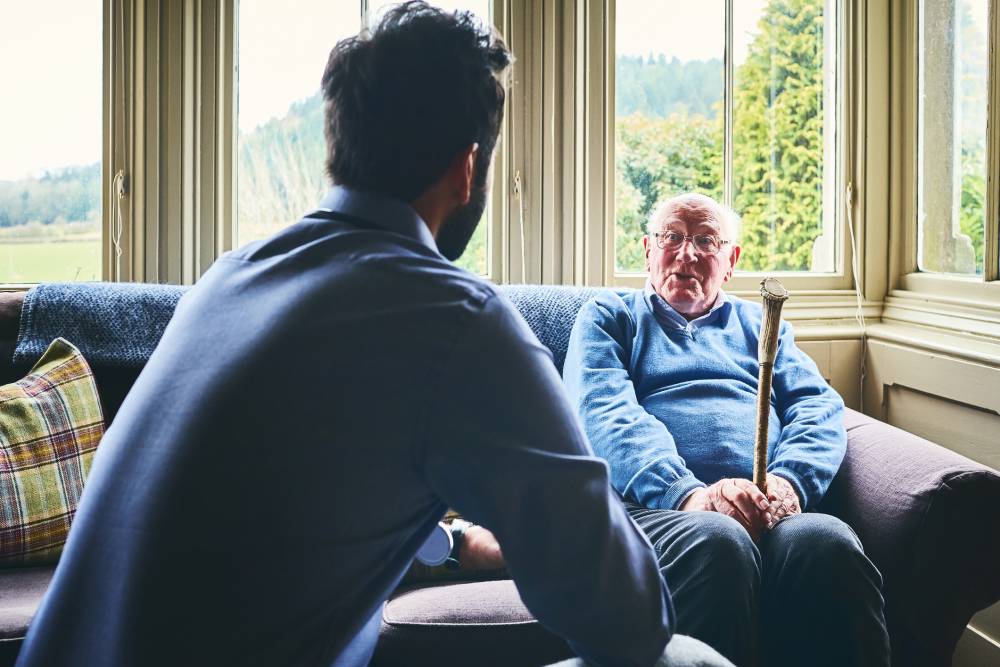
Opening your ears and really listening to someone in need will open your heart to feelings of empathy and compassion, resulting in an inner warmth of the soul that can only be attained through pure moments of kindness.
Regular human contact through meaningful relationships is also known to combat depression, anxiety, stress and anger.
Volunteers also experience a number of physical benefits throughout their tenure, with studies showing that those who volunteer have a lower mortality rate than those who don’t.
Being an active volunteer has the ability to improve the levels of your general fitness which can stave of chronic pain and reduce your risk of chronic illness.
Improvement in your physical health has a number of positive effects on your mental wellbeing, and that – coupled with a renewed sense of purpose and identity – is a great recipe for a happy and healthy mindset.
While the physical and mental benefits for volunteers are numerous, the rewards pale in comparison to those felt by the individuals that receive the gift of your time and energy.
Your companionship will provide light through some of the darkest times this person will face, and an opportunity to recount some of the happiest times of their lives.
The simple act of listening will provide an outlet to someone who would otherwise go unheard, while your interactions and insight will inject them with the zest of someone who feels understood and appreciated as human and being of value.
Your commitment, no matter how great, will have an unmeasurable impact on the life of a person who was once a stranger, and the gift that you bring is infinitely more valuable than money, meaning that the purest form of giving does yield returns – but that return is simply happiness.



This is so true. I have worked as a nurse for many years and now train the Individual Support. Students who take the time to really listen to the residents gain so much extra from placement. It would be so benefical for the residents if more people of all ages volunteered with the ederly both in facilities and in Home and Community
I work in aged care and also volunteer in another facility. People ask me why. You work in the sector and volunteer. I always say, it’s different volunteering. Your not at work, you can sit and chat and not have to rush around. It’s so different. I love it. I used to visit in the persons house too. That’s great also. It’s amazing what a conversation can do for people. X