An innovative pilot program hopes to provide dedicated support to informal carers aged 50 and over who are looking after their parents, partners, family members or friends aged over 65.
This group of carers may face their own age-related physical and/or mental health issues, but they could be ignoring them or unable to tend to them due to the amount of time dedicated to caring for someone else.
The Carer Health and Wellbeing Service is a free service run by Peninsula Health. It includes a social worker, psychologist, occupational therapist and physiotherapist. Between them, they have the expertise and ability to support carers to identify and prioritise goals and empower them to problem solve and address their own health needs.
Monash University’s Rehabilitation, Ageing, and Independent Living Research Centre (RAIL) provided the foundations for the Service through their research and investigation powers.
Principal investigator Dr Aislinn Lalor of RAIL said, “Carers of older people provide essential support for those they care for to remain at home.”
Research suggests that a whopping nine out of ten informal carers feel mentally or physically burnt out, with the same number of carers also neglecting their own needs. Eight out of ten said they have no time for personal hobbies or interests.
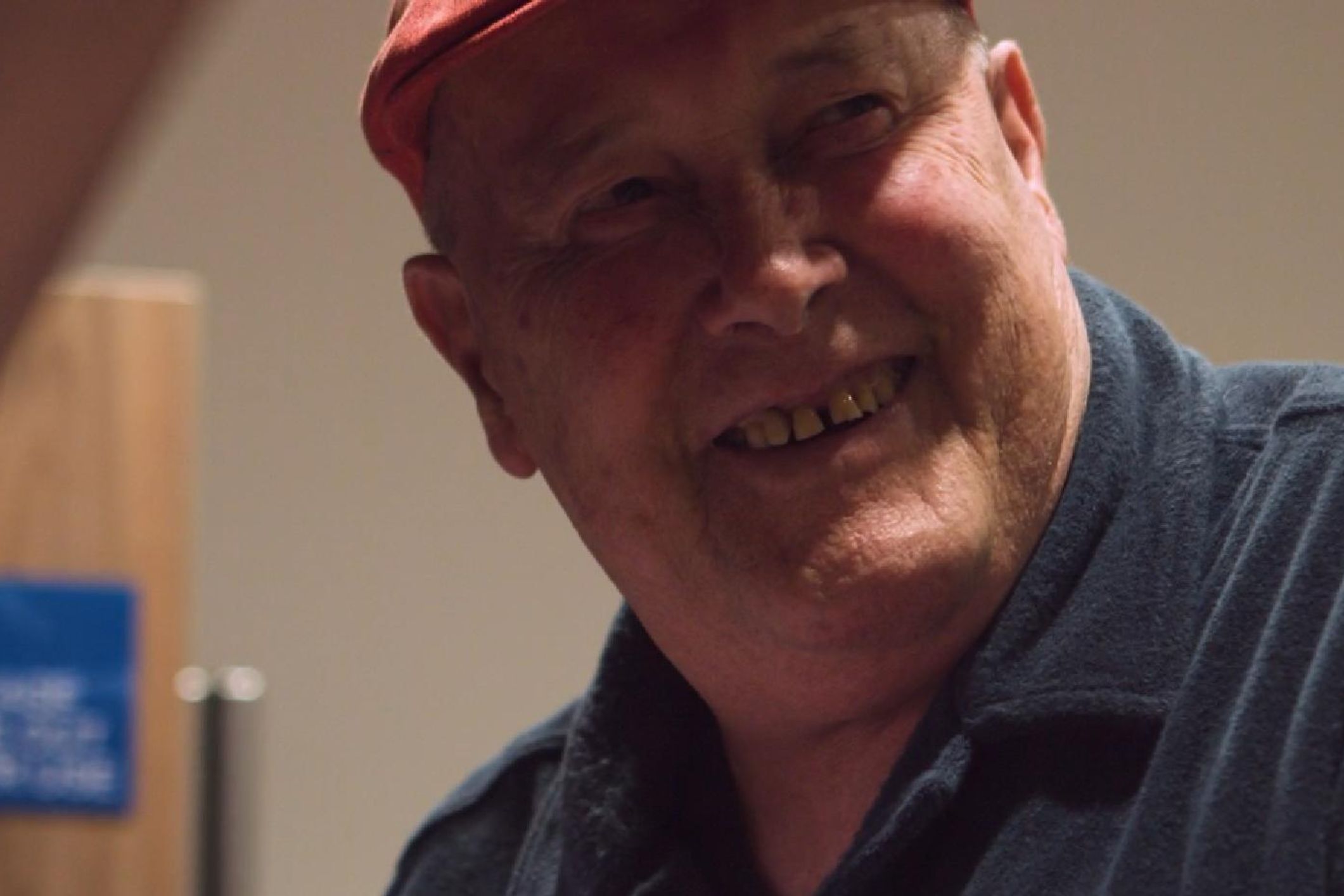
Full-time carer Ivan Freer, 72, has been looking after his wife for the past four years. She has three fractured vertebrae in her back and relies on a walker to get around when she can. Her disabilities often mean she stays at home, though.
“She can’t get around very well and she can’t walk very far, and because of this it is up to me to do all of the housework,” Ivan said.
Sadly, Ivan’s own health problems have seen him go in and out of hospital over the last 18 months while juggling his carer commitments. But the Carer Health and Wellbeing Service has provided much-needed support to ensure he doesn’t neglect his own health.
He said the fact it focuses on him and doesn’t just treat him like another person visiting a busy clinic is a positive experience.
“The Service has helped me a lot, and it is definitely needed. I am able to speak to them about a lot of things and they have sent me in the right direction to get help or get what we need,” Ivan said.
“I’ve got my own health problems, my health is something that I can’t put on the backburner, I have to keep up with it, otherwise things aren’t going to be done at home.”
“You can call yourself a carer but I think most people go into it with no experience, and I would recommend this Service to other carers because it is always good to know someone is there for you and that you can ask questions,” Ivan said.
The Service has also streamlined Ivan’s ability to access home care services, including meal delivery, so there is less pressure on him.
“If you’re a carer you can’t just think about the person you’re caring for, you have to think about yourself,” he added.
“A service like this is needed because there are too many people out there struggling, they don’t know what assistance they can get.”
Peninsula Health’s Director of Community and Ambulatory Services, Iain Edwards, said the Service bridges the gap by identifying the particular needs of the carer to enable them to care more effectively.
“This may be through addressing some of the emotional and psychological impacts that can occur, as the person being cared for might now be quite different,” he explained.
“Then through Occupational Therapy and Physiotherapy support, we are able to help with the logistics around making caring easier, whilst maintaining the physical health and wellbeing of the carer.”
While the Service is currently limited to the Frankston and Mornington Peninsula region covered by Peninsula Health, there is hope for it to expand into regional Victoria, New South Wales and Western Australia.
The pilot project officially launched in March and currently operates every Friday. In 2025, the Service will be available two days a week.



Why is Carer’s Allowance still only about $150 per fortnight ? Why aren’t Carers paid to provide care ? Why are most unpaid Carers female ? This is an economic and gendered issue. Caring is a 24/7 job that requires everything that you have. Sometimes it requires more than you have. Obscene levels of inequality in wealth and access to care won’t be fixed by asking Carers to practice mindfulness and care for themselves. This is ineffectual and just insulting. What is required here is a completely different way of allocating resources and valuing people.