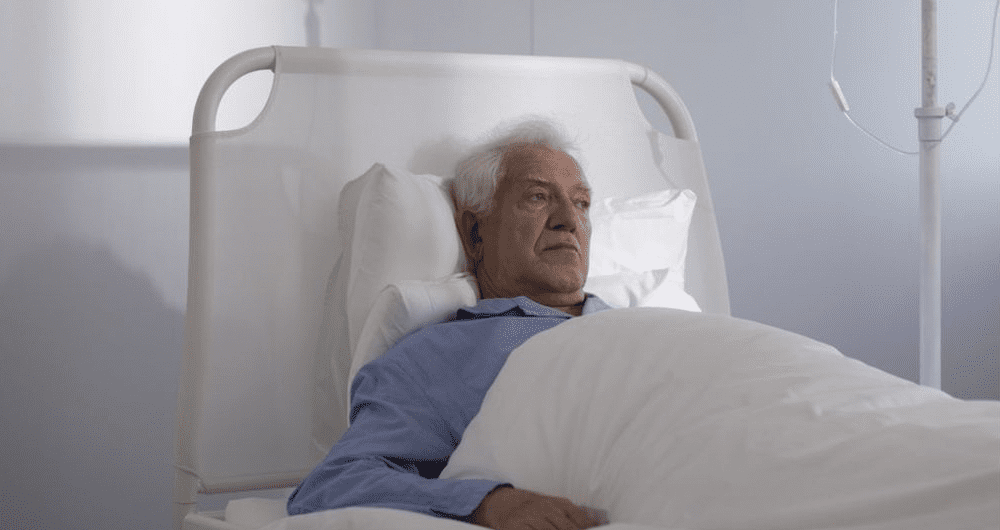
Seniors in Darwin who have been assessed for nursing-home-type care and who don’t have family who can adequately look after them, have been forced to live in hospital due to a shortage of nursing home places.
Royal Darwin Hospital says it has 24 patients who have been assessed for aged care who are living in its beds permanently because they have not been able find places in nursing homes.
The Chief Executive of the NT’s Council of the Ageing, Sue Shearer, said she believes as many as 40 people are living long-term in hospital.
“They should be going to a nursing home,” she told the ABC.
Royal Darwin Hospital told the ABC it is not able to provide appropriate care for the patients who have been assessed as suitable for nursing homes – they would be receiving better care if they were able to find nursing home places.
The senior hospital residents are also putting extra burdens on already stretched hospital resources.
Hospitals are not able to discharge patients who do not have safe accommodation to move to, so they are required to keep patients if nursing home accommodation is not available.
One family told the ABC they found their mother had been left alone for 22 hours, which meant she was not able to get out of bed during that period.
Families are often left as the only people who can take the resident outside, talk to them, and generally keep them company.
Darwin’s ageing population means that growing numbers are requiring nursing home accommodation, but fewer new beds are being added to the system.
Michael Kalimnios, CEO of the Top End Health Service, said more nursing home beds are expected to come online in the coming months, which he expects will ease the situation.
He said part of the reason there was a shortage of beds in nursing homes was that there had been “issues” with an aged care provider in recent months, the ABC reported.


