Euthanasia may not be something people think about until they, or a loved one, is confronted with a terminal condition.
But in a few short weeks, assisted dying may be legalised in Victoria with Premier Daniel Andrews introducing the bill to state Parliament.
It has gone through many different name – voluntary euthanasia, assisted suicide, assisted dying.
But they all focus on one simple thing – providing comfort and relief to people who do not have long to live.
The debate surrounding assisted dying is divided. Many people, particularly those who have lost a loved one, support the idea that people should be given a choice and not succumb to a slow and possibly painful death.
While on the other side, some people believe that terminal patients, and the doctors caring for them, would be “playing god” if they could choose to, what they believe is, “take their own life”.
But the reality is, all of the patients who would be eligible and use voluntary euthanasia are already dying.
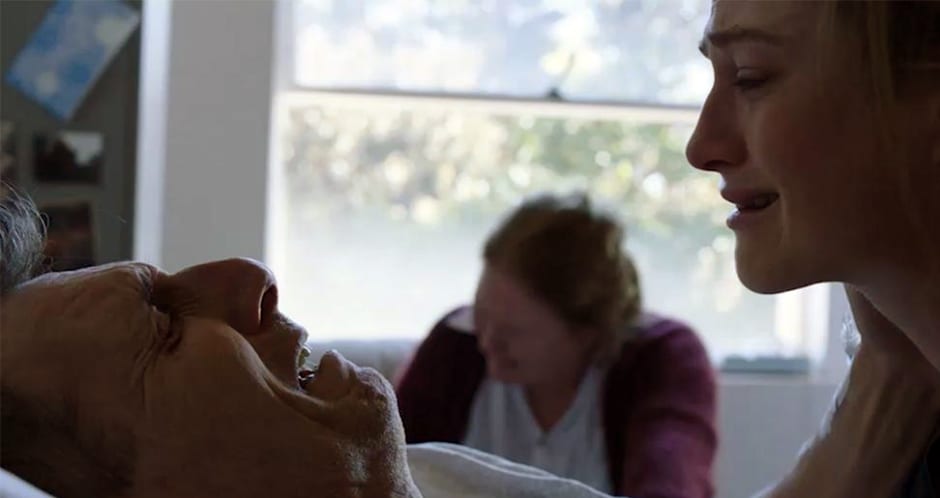
This is seen in a new controversial five-minute-long film called “Stop the Horror” – which has been released by Go Gentle Australia, a pro-euthanasia campaign group.
The film documents the death of Greg Sims, a 56 year old man with brain cancer through the use actors to tell his story – all with the permission of Greg’s daughter, Nia.
The short follows Greg’s final two weeks as he lies in a hospital bed, suffering excruciating pain and convulsions – and alongside him is his family, and all the distress and trauma they go through as they watch him deteriorate.
“This film is not for the faint-hearted. People are dying like this every day in Victoria and nobody is talking about it,” Go Gentle campaign director Paul Price said.
“It’s hard to watch but if we look away the suffering will never end.”
Though the film is for audiences 18 years and over, the trailer below has been censored to be suitable for audiences under 18 years.
The video was banned from Youtube after its “graphic representations” were deemed to be “unwatchable”. There are fears that the footage may be “offensive or disturbing”.
With little censorship, the video shows the raw account of “Greg”, who died in 2005,
“Stop The Horror is a short, five-minute film dealing with unimaginable pain and despair it has been designed to be virtually unwatchable,” explained a Go Gentle spokesperson.
“The film confronts viewers with a harrowing retelling of the true events surrounding one man’s traumatic death.
“The film is so confronting it has a stop button on screen so viewers can bail out whenever they want.”
The short film was directed by Australian film-maker, Justin Kurzel, who won critics praise and accolades for his 2011 film Snowtown.
By releasing Stop the Horror so close to the upcoming government’s debate around the proposed assisted dying bill, campaigners hope that the video with help persuade MPs to see the needs for such laws.
Watch the full film at your own discretion if you wish on Stop The Horror’s Official Website.
What do you have to say? Comment, share and like below.


