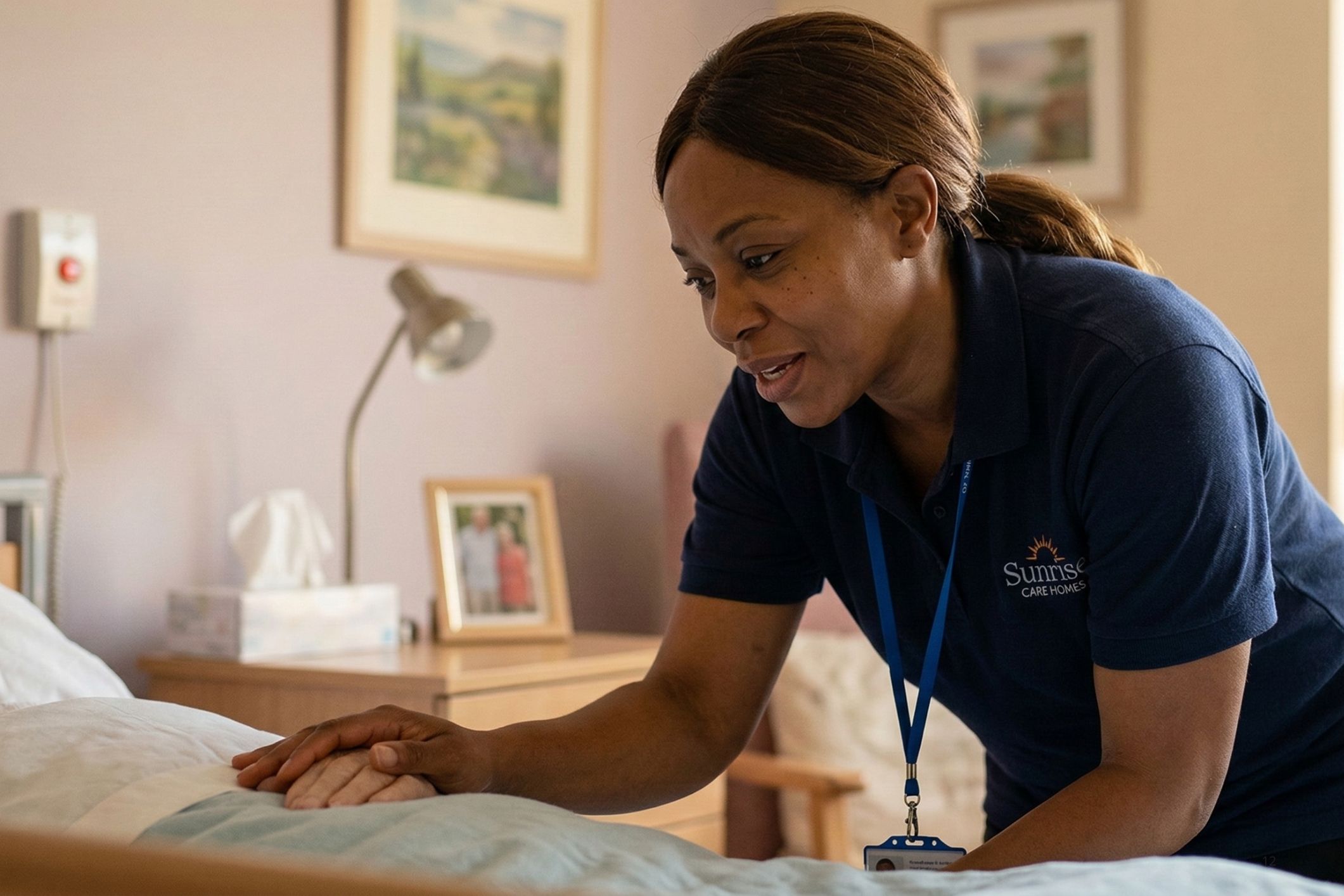
In the evolving landscape of Australian aged care, Voluntary Assisted Dying (VAD) represents a significant shift towards person centred end of life options. As of March 2026, VAD is legally available in all states and territories, with the Northern Territory set to introduce its framework mid year.
This access empowers eligible individuals, those in the late stages of advanced disease, typically expected to cause death within six to twelve months, and who are cognitively sound, to make autonomous decisions about their final days.
For lifestyle coordinators in residential aged care facilities, this presents both opportunities and challenges. The role involves enhancing quality of life through meaningful activities, but VAD introduces nuanced responsibilities in supporting residents without encroaching on clinical domains.
Recent aged care reforms, enacted through the new Aged Care Act 2024 which commenced on 1 November 2025, underscore this person centred approach.
These reforms replace the previous Charter of Aged Care Rights with a binding Statement of Rights, emphasising dignity, autonomy and involvement in care planning.
Strengthened Aged Care Quality Standards now mandate that providers actively include older people in tailoring their care, including end of life preferences.
While VAD is not directly administered by aged care staff, facilities must navigate its integration, ensuring equitable access and flexible service delivery that prioritises resident wishes.
This article explores practical strategies for personalising VAD experiences while adhering to policies, boundaries and team dynamics, drawing on current guidelines to support lifestyle coordinators in this sensitive area.
Current legal and policy framework
Understanding the policy environment is crucial for lifestyle coordinators. VAD laws vary slightly by jurisdiction, but common elements include rigorous eligibility assessments by trained medical practitioners, voluntary participation and safeguards against coercion.
In residential aged care, VAD can occur on site if the facility permits, though a 2025 report highlighted that 85 per cent of providers do not offer it directly, often requiring transfers to hospitals or other settings.
However, residents retain the right to access VAD services and facilities must not obstruct this.
The November 2025 reforms enhance this by introducing a new funding model based on assessed needs, which supports personalised end of life care without increasing fees for current residents.
Providers are now required to maintain clear protocols on VAD, including privacy measures and staff training.
For instance, the Act mandates governance requirements that promote safe, high quality care, integrating VAD with palliative services where appropriate.
Lifestyle coordinators should first consult their organisation’s policies, which may align with state specific VAD navigator services that provide guidance on processes.
In Victoria, amendments proposed in October 2025 aim to streamline access, potentially influencing national practices.
Nationally, usage has surged, with more than 7,200 VAD deaths recorded up to June 2025, reflecting growing acceptance.
Facilities affiliated with religious or ethical organisations, such as Calvary, may have conscientious objection policies, limiting on site VAD but requiring referrals.
Under the reforms, however, all providers must uphold the Statement of Rights, ensuring residents’ choices are respected without discrimination.
Lifestyle coordinators are advised to collaborate with clinical teams and management early, documenting resident consent for any involvement in discussions.
Defining the Lifestyle Coordinator’s role
Lifestyle coordinators are non clinical professionals focused on enriching residents’ daily lives through activities, social engagement and wellbeing initiatives.
In VAD contexts, their role centres on emotional and experiential support, complementing medical and palliative care. The reforms reinforce this by embedding person centred principles in the strengthened Quality Standards, requiring care to be tailored to individual preferences.
Key responsibilities include facilitating discussions about final wishes, but only at the resident’s invitation and with family consent where applicable. This might involve coordinating low key gatherings or legacy activities, always prioritising privacy and confidentiality.
Coordinators must avoid any advisory role on VAD eligibility or processes, as this remains the responsibility of qualified practitioners.
Instead, the focus should be on enhancing the resident’s remaining time, aligning with the Act’s emphasis on empowering older people.
Practical ways to personalise end of life experiences
Personalisation is at the heart of effective support. Begin by engaging the resident directly, assuming cognitive capacity, to understand their vision for their final moments.
This could include curating sensory elements such as favourite music played softly in the room, essential oils in a diffuser for comforting scents, or dim lighting with safe battery operated candles to create a serene atmosphere.
Consider dietary preferences for a special last meal or drink, perhaps incorporating alcohol in moderation for a celebratory toast with close family if permitted by facility guidelines.
Pampering sessions such as manicures or gentle massages can provide comfort and normalcy. For those with mobility, arrange a private outing to a cherished location while ensuring safety protocols are followed.
Religious or spiritual needs should be addressed sensitively. This may include inviting a priest for last rites or a counsellor for reflection if requested.
Legacy building activities such as recording video messages or writing letters to loved ones can provide meaningful closure.
Lifestyle coordinators can also use facility resources creatively, such as special quilts or pillows for aesthetic comfort.
These approaches not only honour the resident’s autonomy but also align with the reforms’ focus on flexible, resident led care delivery. Preferences should always be documented and appropriate consent obtained to maintain compliance.
Navigating boundaries and team dynamics
Professional boundaries are essential to prevent overstepping. Lifestyle coordinators must defer to clinical leads on medication storage, administration or timing, as these details are often kept confidential to a limited group of staff.
Discussions about VAD should not be initiated by non clinical staff. If a resident raises the topic, coordinators should refer them promptly to the appropriate clinical team.
Team dynamics can also present challenges, particularly in diverse workforces where personal beliefs about VAD may vary. The reforms address this through enhanced worker screening and training requirements introduced in November 2025.
If staff express opposition, it becomes a disciplinary issue if those views affect resident care.
Facilities should foster open dialogue, potentially through workshops or structured discussions, to build understanding and maintain professionalism.
Family involvement can add complexity. Supportive families may welcome collaboration, but conflicts such as religious objections require neutral facilitation.
Following a VAD event, support should also extend to grieving relatives through counselling referrals, in line with the Act’s holistic approach to care.
For other residents, the presence of VAD can be confronting. Discretion should always be maintained to avoid unnecessary distress.
Prioritising support and self care
VAD situations can be emotionally demanding, even for experienced professionals.
The reforms encourage access to Employee Assistance Programs, which are available around the clock in many organisations and provide confidential support and debriefing opportunities.
Lifestyle coordinators should also build their own personal support networks and make use of these services when needed.
As Voluntary Assisted Dying becomes more integrated into aged care, lifestyle coordinators play a vital role in upholding dignity and choice. By combining thoughtful personalisation with careful adherence to policy and professional boundaries, coordinators can support residents compassionately and responsibly.
This approach not only enhances the experiences of individuals at the end of life but also contributes to strengthening the overall quality and humanity of aged care in Australia.



This is a very good article, but it is disappointing that the second paragraph did not include perhaps the most important requirement of eligibility – that the person must be suffering intolerably. The only purpose of VAD is to end suffering – nothing else.
I feel there’s a big push on to start eliminate thing our elders.
Lifestyle coordinator is a ridiculous name, especially when someone is leaving life . We have practising Death Doulas but unfortunately under the new ACT the government won’t pay them.They’ve done extensive training in this field.
I have noticed a big change in the approach to the aged around death and dying recently 10 days ago. I called the ambulance for my husband who is 92 and immediately they started talking about DNR.. I showed them the document. Then the hospital DR rang me and asked me the same question. This hasn’t happened before November 1 when the new act came in . Government can’t afford us any more it seems..
My husband was discharged from hospital and I was told next time he comes in with his failing heart they will put him into palliative care or suggest VAD. This was a big shock to me and taking me time to absorb because it didn’t come from his own thinking about the end of life. I have no faith in a nursing home setting up a suitable room and comfort in an elder dying days when we have some mean spirited providers removing TVs, hot breakfast and dessert. I don’t trust them with VAD. They could have an underhand method of promoting it because of the churn and burn dollars they can make.
I think the term “Lifestyle Coordinator” has been used wrongly in this article. The lifestyle coordinators that I mixed with for 3 years when my mother was in aged care, solely did activities with and arranged for activities with the residents. What is their role in VAD? That’s a medical and nursing issue, not lifestyle. That’s not in their job description. The whole VAD process should be kept away from the facility. Anyone choosing this should be referred to the appropriate department in the nearest hospital. It’s just wrong for any aged care facility to offer or perform VAD. I hope they show sense and refuse to offer it. Other residents know what goes on. That could cause unnecessary sadness or fear. Why put the residents through that when it can be done elsewhere? As it is, some residents get upset when another resident dies so why bring in the practice of VAD to make their lives even sadder? The process of VAD is different to natural death. You have to live through it with someone to know that it differs greatly from a natural death from old age or illness.