A lot has been said over the years regarding the value that is placed on elderly people.
Somewhere over the last few decades within western society, the social standing of older people has been relegated from valued and knowledgeable leaders of our households and community to the silent people in the background who must be worked around in order to maintain our modern day lifestyles.
Lifestyle in 2019 is more fast-paced than ever, and the mindset of people is far more focused on individual requirements than the fact that we are all part of a community as a whole.
With this in mind, one of the best ways to thrive as an older person in this day and age is to remain as active as possible and do your best to play a part in society; and that is exactly what one amazing 92-year-old woman has been doing.
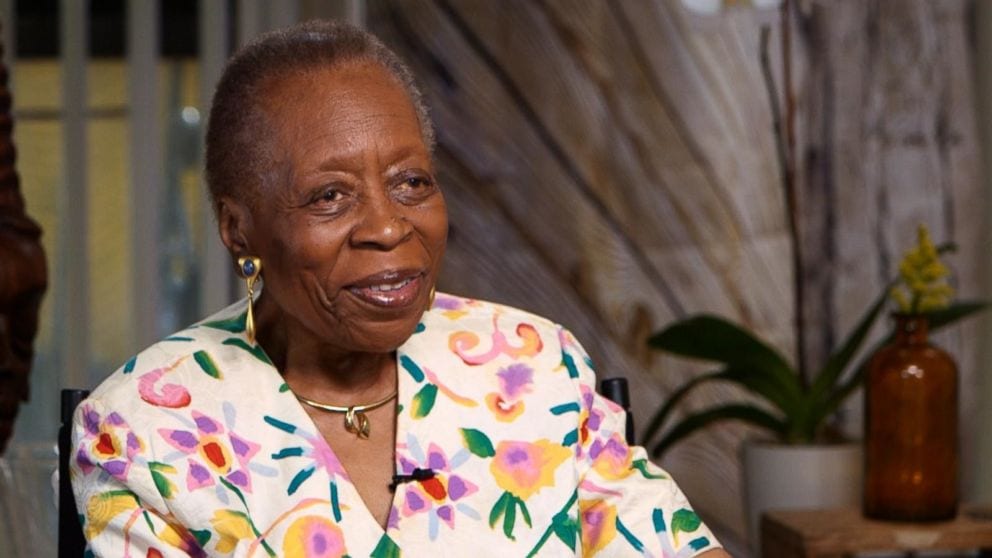
Dr. Melissa Freeman has been a doctor in the New York area for over 60 years, and even at the age of 92, she still treats between 150-200 patients a year.
In a recent interview on the American ABC TV program, Good Morning America, Dr. Freeman revealed the mindset that has allowed her to continue living life in the manner that she does.
“You do what you have to do. You have to move on. As long as God gives you life and gives me strength, I’ll have to keep doing it, and he has been very, very merciful for me,” said Dr. Freeman.
Dr. Freemans time is divided between a private practice that she has been running for over 40 years and a New York City clinic that treats people who are living with an addiction to opioids such as heroin and oxycodone.
Opioid addiction has become rife in a number of countries around the world, and Dr. Freeman relishes the chance to see people and regain control of their lives.
“Once addicted, it’s a very difficult problem to release, and to see them straighten their loves out is a very moving thing.”
Dr. Freeman is the granddaughter of a slave who moved to New York City in the late 1800s and graduated from medical school in the mid-1950s, she was encouraged to excel in academics by her grandfather and father who were not given the opportunity to receive an education themselves.
“My dad who, who came from rural Alabama, did not have the opportunity to get the education that he wanted to get. But he emphasized the importance of getting a high school and a college education,” Dr. Freeman said.
Dr. Freeman actually started practicing medicine in 1961, and nowadays she starts a typical working day in the drug clinic and then travels by train on the New York City subway system to her private medical practice in Harlem.
“I’m a New Yorker, I travel by Subway and If I have to get somewhere and the Subway is the best way to get there I will board the Subway and take it.”
Normal business hours do not seem to apply to Dr. Freeman either, staying at her practice on occasion until 9.00pm, where she treats a range of patients ranging in age from 20 to 100 years old.
Dr. Freeman has no plans to retire in the near future and her zest for life is clearly evident in the warm smile and demeanor of this amazing woman, if her longevity and mindset can teach older Australians anything, maybe it’s that the best way to have a great life in your twilight years is to continue playing your role in society as long as you possibly can.


