The buildings we live and work in can have a profound effect on our lives, a truth that is particularly relevant in healthcare settings, such as hospitals and aged care facilities.
Being immersed in beauty and design that carefully considers the needs of its users not only feels good, it’s good for our health. Research has shown, time and time again, that good design improves health outcomes, even in extreme healthcare environments, such as operating theatres.
A famous study by Professor Roger S Ulrich from Chalmers University of Technology, found patients recovering from an operation who were given a room with a view of trees required less pain medication and had shorter hospital stays.
Traditionally, hospitals and aged care facilities were built with an emphasis on the clinical, and as a consequence they were often unwelcoming, stark, and impersonal.
But with a growing body of evidence proving the health benefits of good design, that is beginning to change.
In aged care we are seeing a move towards ‘cluster homes’, which aesthetically feel more warm and personal. There are none of the long corridors that conjure up the clinical institutions of the past.
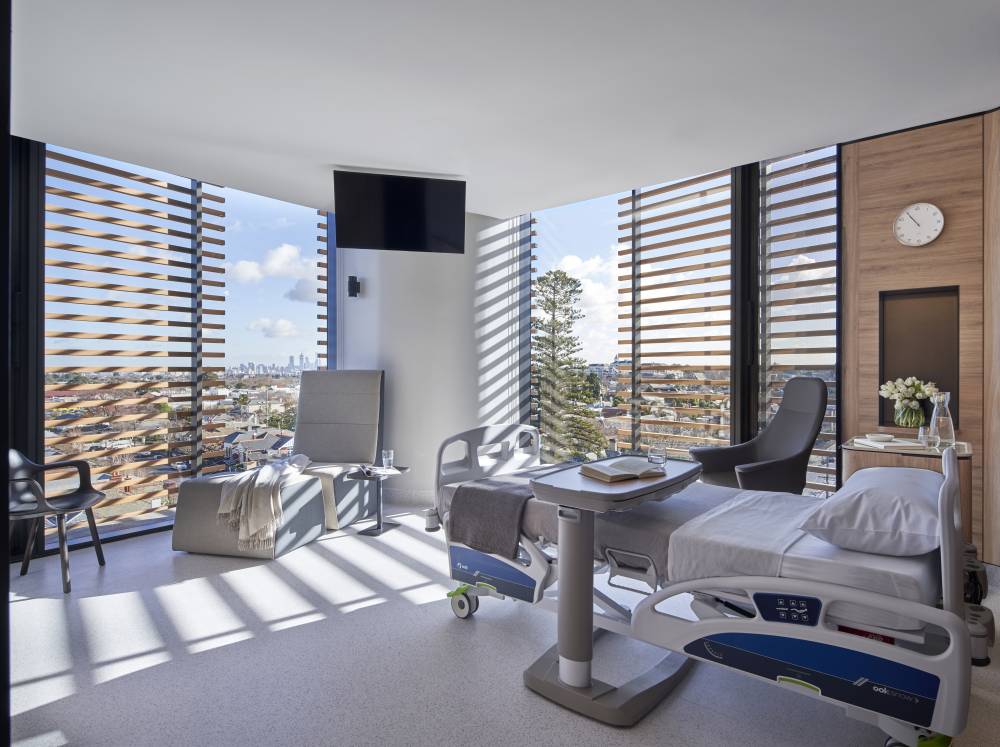
Hospital design is also evolving, with Melbourne’s Gandel Wing at Cabrini Hospital already demonstrating how beautiful design and amenity can benefit both patients and staff.
The $120 million hospital was designed by architects Bates Smart and was nine years in the planning. Cutting-edge design and the latest in modern technology help the hospital serve the needs not only of the patients and staff of today, but also those decades into the future.
The seven storey building will accommodate patients in the specialties of cancer, cardiac, maternity, geriatric care, emergency and infectious diseases.
Cabrini Group Director, Medical Services and Clinical Governance, Dr Fergus Kerr, told HelloCare, the design of The Cabrini Gandel Wing is based on creating an environment that will nurture and heal.
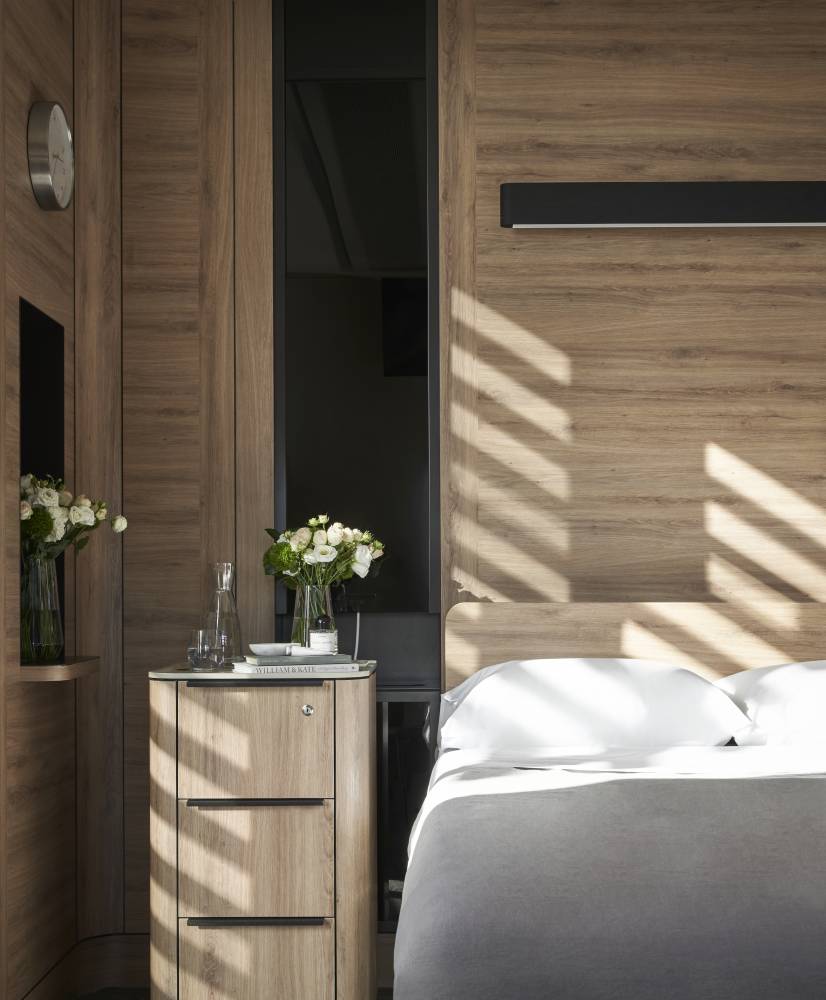
“Not only with the use of natural materials to give rooms a warm ambience, but the idea of a healing environment that encourages patients and their families to focus on getting better and on their health beyond their hospital stay.
“This is very important for patients, particularly elderly patients, in their recovery.”
The Cabrini Gandel Wing is a “significant milestone” in healthcare design because it prioritises the patient experience and wellbeing, Dr Kerr said.
“Many of the patients who come into our hospital facility are frail, elderly or have some form of cognitive impairment.
“Unfortunately, our experience shows that people with a cognitive impairment experience worse clinical outcomes in hospital environments, including longer stays in hospital and a higher likelihood of re-admission.”
Dr Kerr said falls are one of the biggest problems that older patients experience when in hospital.
“These usually occur in the middle of the night when they get up to go to the toilet,” he told HelloCare.
“The Cabrini Gandel Wing has been designed so that patients have a clear line of sight from their bed to the bathroom, with under-lit handrails to make it easier and safer for patients. This design feature aims to improve safety for patients and reduce the risk of falls.”
The furniture, fittings and soft lighting in the Cabrini Gandel Wing make the rooms feel less clinical and more relaxing and comfortable than a usual hospital building.
“You can also see natural light at the end of every corridor and out every patient room, which is refreshing both for patients and staff,” said Dr Kerr.
“From the building, our windows face views over the city, the bay or the Dandenong Ranges, which is a lovely outlook and helps the healing process.”
“It is a very calm workplace for staff to come to each day. When you come to work and the environment is so peaceful and pleasant and you have everything you need to do your job properly, it makes coming to work really enjoyable.”
The Cabrini Gandel Wing was designed to accommodate healthcare developments for another two decades.
“In designing the Cabrini Gandel Wing, we consulted our doctors, nurses, allied health professionals and other stakeholders to ensure the design of the building met our needs not only for the immediate term but well into the future,” explained Dr Kerr.
Technology has been integrated into the building to accommodate not only state-of-the-art technology today, but also to allow for future technologies.
“The building has a fibre optic spine to accommodate future developments in technology,” said Dr Kerr.
A video call system is built into bedside screens, meaning patients can stay in touch with family and friends without having to use personal devices.
A new nurse call system connects each patient directly to their nurse, enabling the nurse to acknowledge the patient’s call and respond immediately, or give the patient an idea of when they will respond if they happen to be with another patient.
“We have created a hospital environment that brings all of the services to the patient. It is a healing environment that is focussed on the patient and their family,” said Dr Kerr.
Patients and staff are already feeling the benefits, and Dr Kerr concluded by saying he hopes other healthcare organisation will follow Cabrini’s lead.
“The Cabrini Gandel Wing sets a new benchmark in healthcare that we hope other healthcare organisations will adopt and follow.”
Photos: supplied, Peter Clarke.


