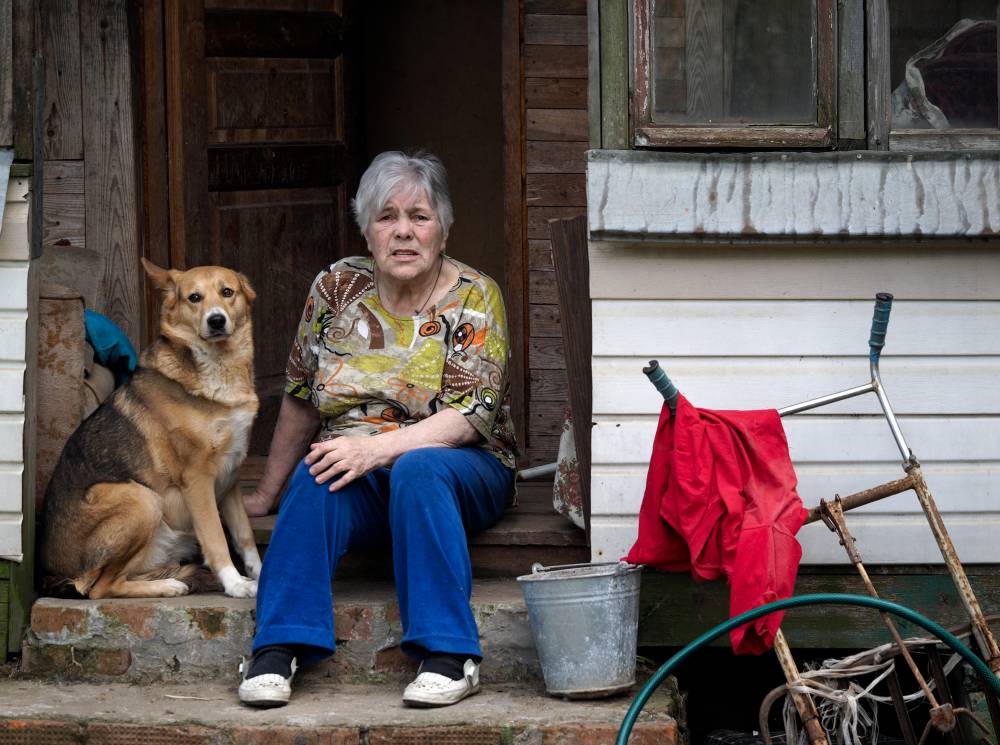
Relationships between everyday-people and their pets can obviously mean a lot, but new research is showing that pets can actually be the difference between life and death for some older people.
Sadly, suicide has become all too common in the older age demographic, highlighted by the little-known fact that men over the age of 85 actually have the highest suicide rate in the country.
Researchers at the University of South Australia are finding that having a pet can actually help to prevent suicide among people over the age of 60, as the relationship between an owner and their pet is enough to prevent some people from taking their own life.
These findings have even prompted leading health science lecturer from the University of South Australia, Dr. Janette Young, to voice her hopes for an introduction of pet fostering programs in aged care homes.
“Pets offer a counter to many older people’s sense of uselessness,” said Dr. Young.
“Animals need looking after which creates a sense of purpose for older people and they also promote social connections with other people.”
When Dr. Young and her colleagues interviewed 35 people aged 60 to 83 years asking them “How do your pets influence your health?” one-third of respondents reported that they were “actively suicidal” or “significantly traumatised” but their pets gave them a reason to live.
Dr. Young said the findings showed the dearth of pet accommodation in Australian aged care should be re-examined as some nursing homes and even aged care villages currently have a ban on cats, dogs, birds or reptiles.
The data also supported Dr. Young’s plan to introduce a new model to an aged care facility in Adelaide, South Australia where residents and staff were able to foster pets, particularly supporting elderly people having to move into care or hospital.
“Aged care facilities operate 24/7, they could ensure an animal is being cared for, that’s my vision,” Dr. Young said.
“And what I’m pursuing is for people to not only be able to get animals and pets just visiting them in aged care facilities but for people to be able to take their own pets into aged care with them.”
Dr. Young and her fellow researchers reported that they had not anticipated that the question “How do your pets influence your health?” would lead to participants revealing suicide attempts or ideas around suicide
To date, their paper said, there was no other published research that has specifically revealed such links, although other research has revealed pets to be significant in recovery from suicide attempts for other people and as protective against suicide for abused women and homeless people.
One man involved in the research said: “I actually realised the only thing that is really keeping me alive, was these (nods to dogs) and the birds, giving me a chance to get out of bed in the morning.”
A significant proportion of those interviewed for the research were men who had revealed pets played a key role in protecting their mental health.
Dr. Young said one male participant had a number of reptiles, including a crocodile, where he had sought contact with specialist groups in the community and was among only a few in the community able to care for its wellbeing.
“This is a particularly important finding, men over the age of 85 have a high rate of suicide, it’s about finding things that are important in terms of wellbeing,” Dr Young said.
“Reptiles, for example, are nocturnal, so if you have depression or can’t sleep at night who can be around to keep you company?”
Dr. Young, whose background is in social work, said the blocking of pets happened early in aged care with some villages where people are still living independently in their own units being told they could not bring cats or dogs.
Her research conducted with colleagues showed older people experiencing complex health problems, social isolation, loneliness and concerns about burdening their families, found pets could play a protective role.
“We need to be taking these human-animal relationships more seriously in that whole space of humanising aged care,” she said.
“Health and care providers need to understand the distress that many older people face when they have to relinquish their pets if they move into aged accommodation, lose their spouse or downsize their home.
“For some people, the loss of a pet may mean the loss of a significant mental health support, one that was perhaps even protecting them from ending their life.”
There is already much research globally showing pets can be social conduits, like dogs encouraging their owners to take them for walks in the neighbourhood or acting as an icebreaker in approaching others to start conversations.
One man involved in the new University of South Australia research kept exotic birds while one woman had a frill-neck lizard she trained to sit on her shoulder and the lizard was then incorporated into her work as a tour guide.
They revealed the key importance of pets to respondents was it meant they had to be active, it helped to have the presence of pets being with them, feeling known by pets and having a reciprocal, mutual relationship.
However, Dr. Young warned that not all pet owners would fit the profile, “giving an animal to someone hoping it will make them feel needed is risky for both humans and animals”.
Photo Credit – iStock – kozorog


