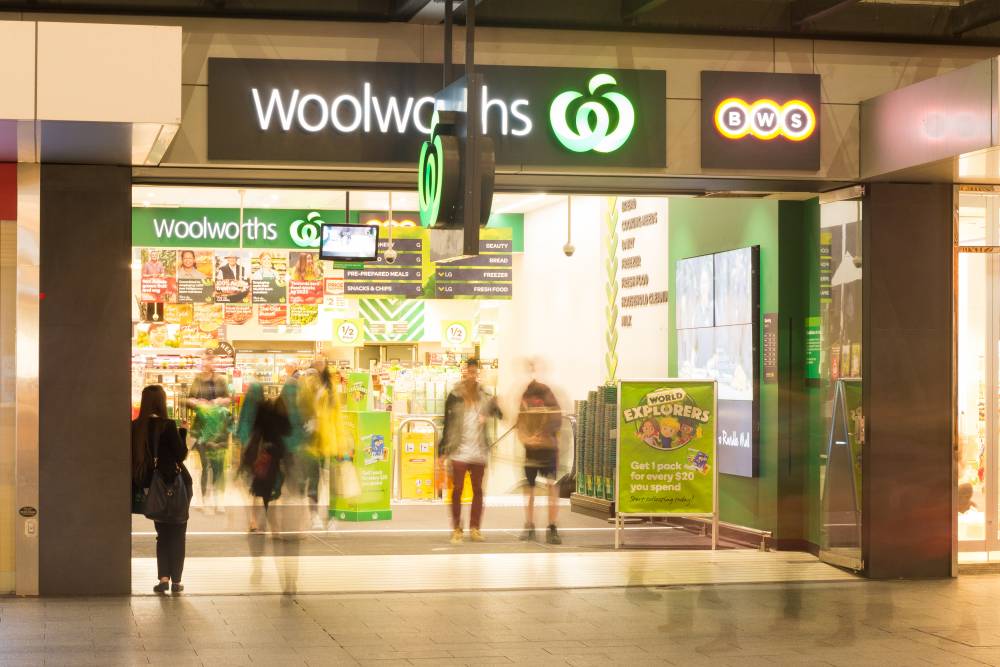
Australian supermarket giant Woolworths has employed nurses to work in stores which are located in COVID-19 hotspot stores around Melbourne.
These nurses will be performing compulsory temperature checks on staff working in these stores and nurses have also been deployed to Woolworths distribution centres and customer online fulfilment centres where staff will also undergo compulsory temperature checks.
In addition, Woolworths has once again imposed limits on customer purchases of some essential items and foods following more panic buying in stores located in Victoria’s COVID-19 hotspots.
Some of these items include frozen vegetables, bread, fresh milk, pre-packaged sausages, burger patties and tissues.
Woolworths explained the need for these changes in a statement and encouraged shoppers in hotspot areas to do their shopping online if possible.
“We want to reassure everyone in Victoria that our distribution centres, customer online fulfilment centre and our supermarkets remain open and will continue to operate as essential services for the customers and communities that depend on them,” managing director Claire Peters said.
“If you’re in a hotspot area, we would encourage you to consider doing your grocery shopping online if possible. Together with our on-demand courier partners, we are able to fulfil thousands of extra orders each week.”
Woolworths has also extended the timeframe of its vulnerable team leave entitelments until 29 July to ensure that staff do not contemplate coming to work while sick due to financial pressures.
Supermarkets across the country have been forced to implement a number of new hygiene protocols since the coronavirus pandemic was first detected in Australia.
Woolworths Victorian stores will also have team members monitoring customer numbers coming in, front-of-store hosts will monitor social distancing around checkout areas, and store greeters have been tasked with regularly wiping down trolleys with disinfectant.
Hand sanitising stations will also be available in select locations throughout stores.
Coles supermarkets have also implemented product purchasing restrictions in the states of Victoria, Tasmania and some NSW stores after supply chain issues which stemmed from six staff members testing positive for coronavirus at a distribution centre in Melbourne’s western suburbs.
Photo Credit -iStock – Patrick Cooper


