
During the COVID-19 pandemic we’re constantly being reminded to practise good hygiene by frequently washing our hands and regularly cleaning the spaces where we live and work.
These practices aim to remove or kill the coronavirus that causes COVID-19, and thereby minimise our risk of infection.
But there have been some suggestions using hand sanitiser and practising other hygiene measures too often could weaken our immune system, by reducing our body’s exposure to germs and with it the chance to “train” our immune defences.
The good news is, there’s no evidence to suggest this will be the case.
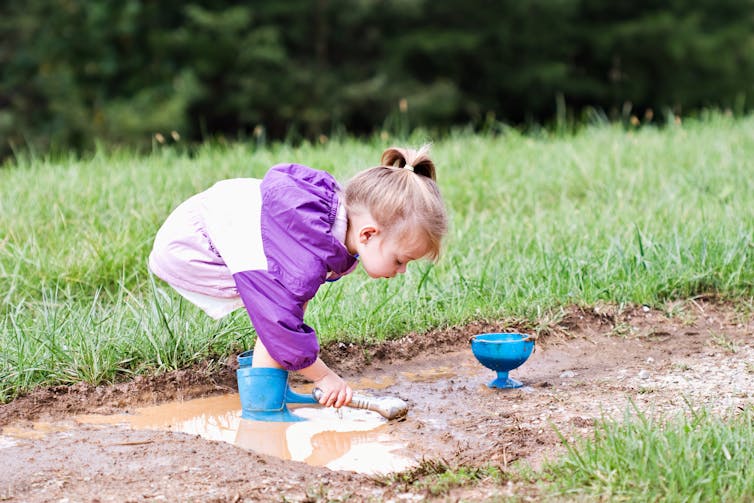
For healthy immune function, it’s important we’re exposed to a diverse range of bugs in the environment, known as microbes. Most of these don’t make us sick.
The belief that a high level of cleaning and personal hygiene weakens our immune system is a common interpretation of what’s called the “hygiene hypothesis”.
The hygiene hypothesis is a theory that suggests a young child’s environment can be “too clean”, and they won’t be exposed to enough of these microbes to effectively stimulate their immune system as it develops.
The argument is that this results in increased allergies, asthma and certain autoimmune disorders. But scientists have refuted this hypothesis in recent years, as research has shown there are multiple other reasons for the increased incidence of these conditions.
Importantly, being too dirty doesn’t help our immune system either. It generally makes inflammation worse.
The immune system works to protect our bodies against things that threaten to make us sick — from harmful chemicals, to bacteria and viruses, to cancer cells.
It’s made up of two lines of defence. The first is the “innate” immune system, which responds rapidly to a range of pathogens to fight infection and prevent tissue damage.
Next is the “adaptive” immune system, made up of immune cells that develop a more targeted or specific response to fight off harsher germs such as viruses. Adaptive immune cells work by recognising small parts of the virus on the outside of the infected cell (for example, lung cells), and destroying them.
These cells then become what we call “memory cells”. The next time they encounter the same virus, they can eliminate it straight away.
This development of the immune system starts after birth and declines in old age.
Some aspects of our modern lifestyle can weaken our immune system. These include:
But there’s no scientific evidence to support the notion that extra hygiene precautions will weaken our immune system or leave us more susceptible to infection by bacteria or viruses.
Microbes are everywhere: in the air, on food, and in plants, animals, soil and water. They can be found on just about every surface, including inside and outside your body.
The hygiene measures recommended during COVID-19 will help curb the spread of the coronavirus and greatly reduce our risk of infection — but won’t eliminate all microbes from our lives.
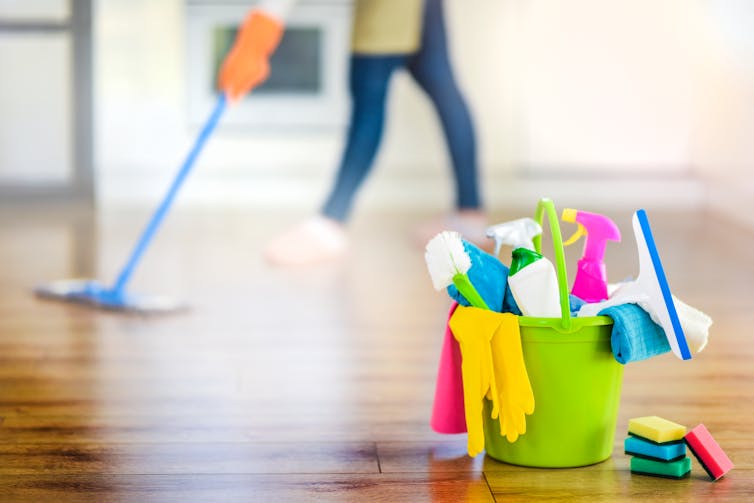
Cleaning refers to the removal of microbes, dirt and impurities from surfaces. It doesn’t kill microbes, but by removing them, it lowers their numbers and therefore reduces the risk of spreading infection.
In contrast, disinfecting refers to using chemicals, known as disinfectants, to kill microbes on surfaces.
A combination of cleaning and disinfecting is the most effective way to get rid of microbes such as coronavirus.
Extra hand hygiene is of course one of the most important infection control measures.
We’ve been advised to clean our hands with soap and water for at least 20 seconds. If this is not possible, use hand sanitiser with at least 60% ethanol or 70% isopropanol.
Frequent hand-washing, especially if a sanitiser is used, can disrupt the natural skin biome, which can lead to increased skin infections. This can be managed with the use of moisturisers.
But the extra hygiene measures during COVID-19 won’t weaken our immune systems. On the contrary, they are vital in controlling the pandemic.
If you’re worried about your immune system, don’t stop washing your hands or keeping your house clean. Importantly, follow a healthy balanced diet, do regular exercise and look after your mental health.
This story was originally published on The Conversation by Pro Vice-Chancellor, Research Partnerships, Victoria University, Lecturer; MD, Victoria University and Health Policy Lead and Professor in Global Public Health at the Mitchell Institute, Victoria University
Main image AlexRaths via iStock


