The coronavirus pandemic has ensured the spotlight on health care professionals has never been brighter and the public’s appreciation for their work is at an all-time high.
However, despite the raised awareness of the importance of clinicians, their work on a crisis affecting around 420,000 Australians each year goes largely unnoticed.
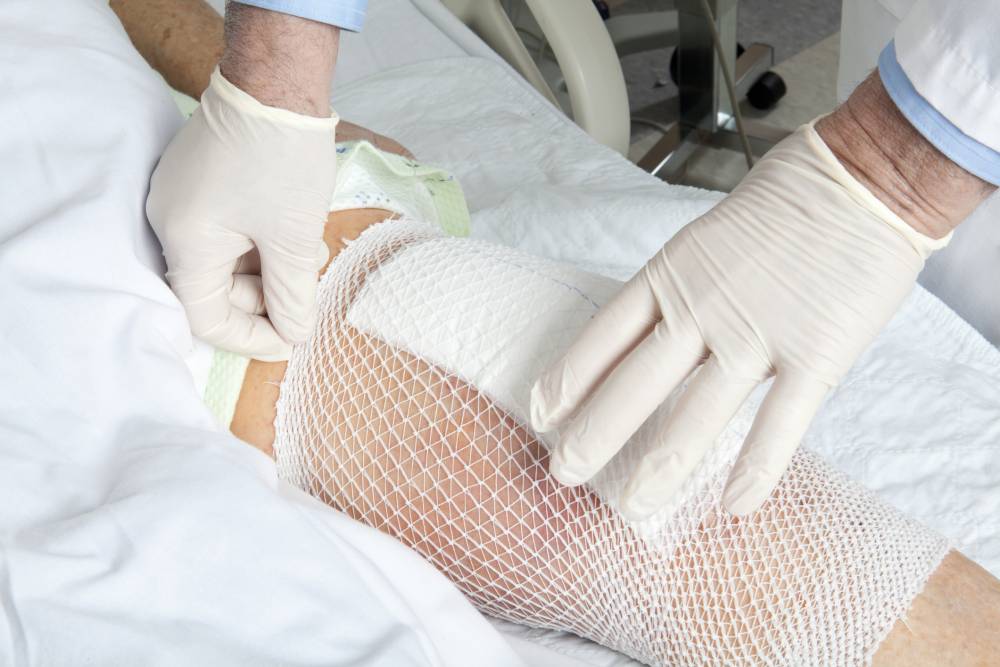
The hidden epidemic of chronic wounds impacts the health, wellbeing, and finances of many Australians. Treatment and care for chronic wounds this year will consume over $3 billion from the health and aged care budgets. For individuals, the average out of pocket cost can be around $4,000 a year.
Specialised health care workers need and deserve greater resources, support, and recognition to tackle this problem.
That is why Wounds Australia, the nation’s peak body for wound prevention and management, is this week holding Wound Awareness Week 2020.
For seven days, Wounds Australia will open its resources and expertise to all clinicians to help improve their chronic wound knowledge and care. Wounds Australia will also be proposing changes to government policies and programs to reduce the burden of chronic wounds on the nation’s health and health care workforce.
Wounds Australia modelling shows alternative approaches can reduce the impact of wounds on thousands of people and save around hundreds of millions of dollars annually. Achieving these numbers will require the expansion of wound care expertise across health care professions, as well as greater awareness by the public about risk factors such as age.
As the Australian population continues to age, the prevalence and burden of chronic wounds will only worsen.
Wounds Australia CEO Blake Wilson said the dedication and work of health care professionals have never been more important, which is why the organisation will be making this year’s Wound Awareness Week goals bigger than ever before.
“Whether it’s the nation’s health and wellbeing or the size of the health budget at stake, proper management of wounds is vital to meet the challenges of our ageing population, Blake Wilson said.
“It’s crucial for health care workers to stay informed of the latest treatments and advice. It’s also important to continuously develop their skills to ensure Australians are receiving the best possible care.
“Wounds Australia supports health care experts by delivering the professional development and resources needed to improve the care of chronic wound patients.
“We hope this year’s Wound Awareness Week will see clinicians across the country tap into our expertise and join us in our effort to tackle the health and financial burden chronic wounds places on Australians.”
The COVID-19 pandemic is shifting this year’s Wound Awareness Week towards online experiences, focusing on events to allow health care professionals to improve their expertise, care and treatment including:
Wounds Australia welcomes health professionals, scientists, students, and anyone with an interest in wound care to join our community. For less than the cost of buying one newspaper a week, Wounds Australia members can access a range of benefits that will grow their expertise including:
For more information on joining Wounds Australia, visit www.woundsaustralia.com.au.


