Throughout the pandemic, and as part of a broad organisational response, Bolton Clarke’s Homeless Persons Program (HPP) team has been working to find new ways of supporting people sleeping rough or in insecure housing, and those experiencing physical, mental and psychological health issues.
On this World Homelessness Day and World Mental Health Day (10th October 2021), as Melbourne works through another wave of COVID-19, the rights and equity-based health care model provided to the community by the program has never been more important.
The HPP’s team of around 60 community health nurses provide an assertive outreach and primary health response to Melbourne’s most vulnerable and disadvantaged, including people on the streets, in parks, at food programs, in low cost hotels, boarding houses or other sites, such as caravan parks.
HPP Manager Mary-Anne Rushford said the approach provided a highly flexible response, allowing scope to seek out individuals who often have complex health needs but who are not engaged with general health services.
“In Melbourne, as many as 1,500 homeless people were moved into emergency hotel accommodation at one point.
“Many of the food programs that our clients depended upon closed, and food security became a pressing and real issue.”
Rushford continued, “Most health-related appointments moved to telehealth, which was another potential barrier for the clients without access to technology and data.
“Our nurses have been working around the clock to come up with creative solutions.
“We set up devices and provided support for telehealth appointments with outpatients services and GPs.
“Through fundraising, we were also able to increase our normal quota of food vouchers that we could give to clients, or our nurses purchased food from supermarkets and delivered it to the client’s door,” Rushford added.
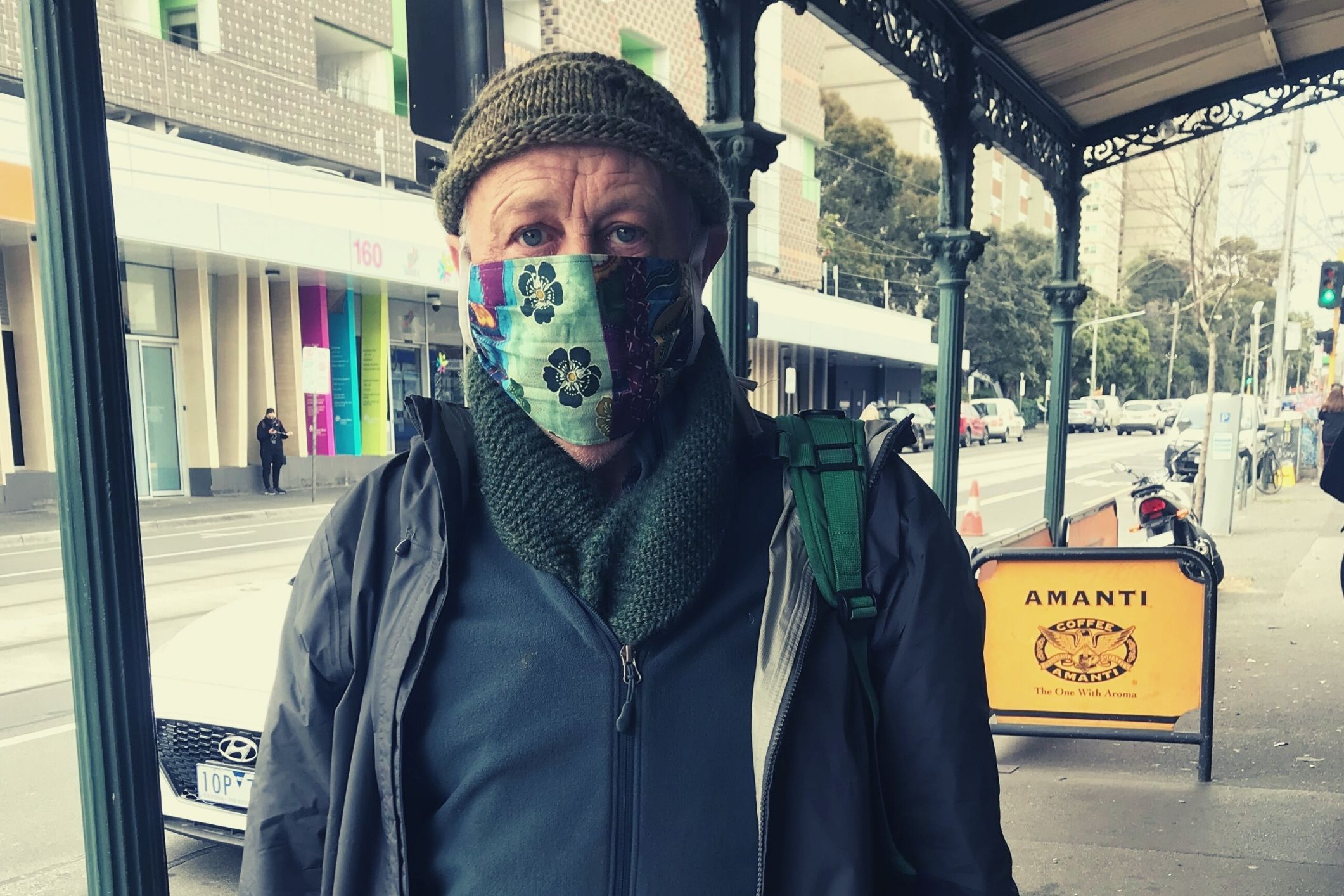
“When the wearing of masks became mandatory, we urgently sourced homemade cloth reusable masks for our clients from volunteer services including ‘Masks for Mates’, Country Women’s Association, and residents of our Bolton Clarke retirement villages.”
As the state moves towards recovery, the team is now playing an important role in vaccinations.
“Through strong advocacy and partnerships, homeless people are now being prioritised through mobile clinics, and many of our clients are heading towards being fully vaccinated,” Rushford said.
World Homeless Day and World Mental Health Day are both internationally recognised on the 10th October 2021, with the view to raise awareness of people experiencing homelessness and to advocate to make mental health care a reality for everybody.


