Australia’s not alone in facing nursing workforce challenges with one American aged care provider adopting a unique care model to attract and retain workers – its nurses will live and work alongside elderly residents on a day-to-day basis.
Navigator Homes of Martha’s Vineyard is located on the island resort town of Edgartown, but many healthcare workers are priced out of the region due to the number of tourists lured in by its picturesque charm.
As a result, Navigator Homes plans to build 48 units of subsidised housing to assist staff, providing accommodation in two apartment buildings, one townhouse and four duplexes.
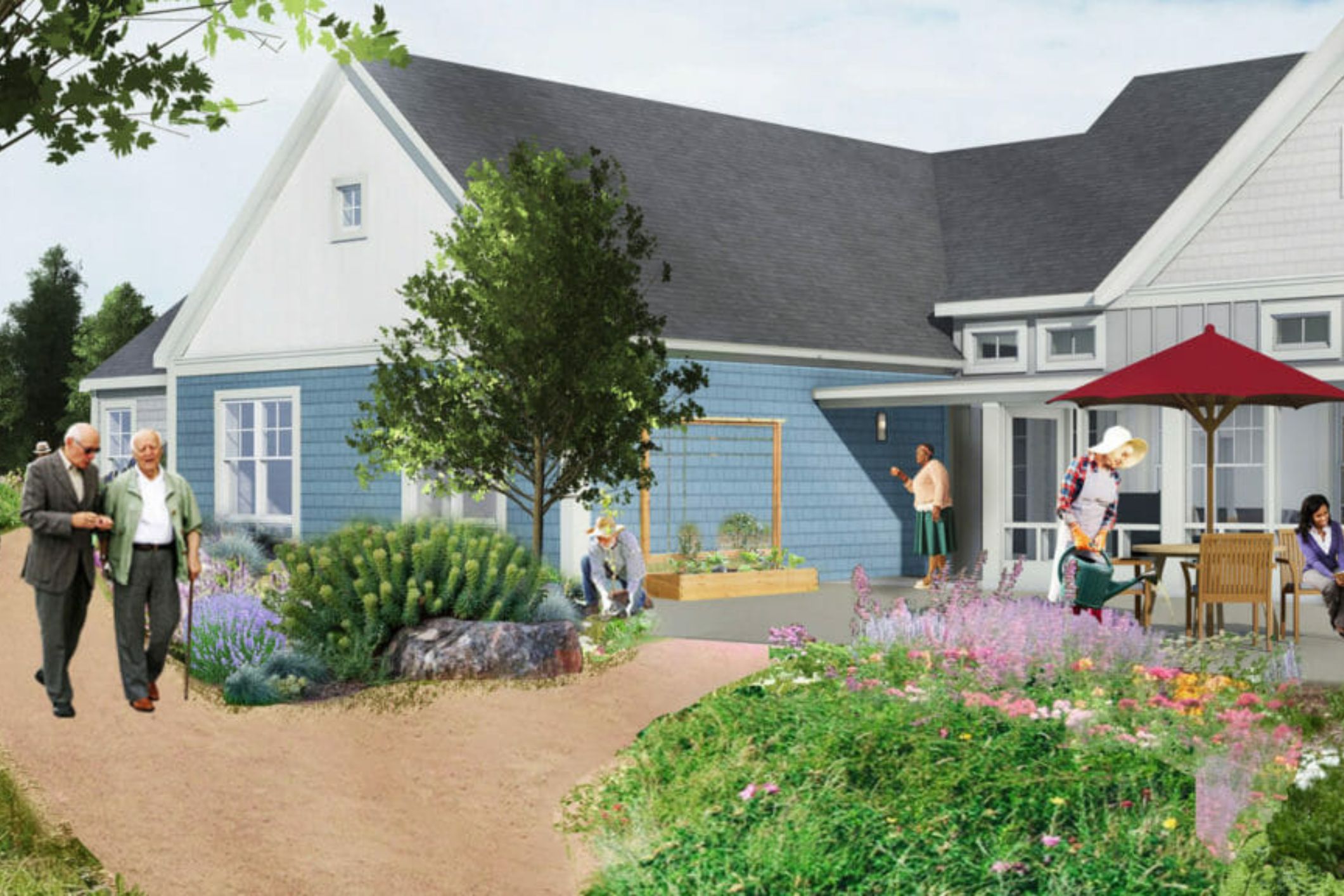
The community will also have a Green House-style aged care community where residents live among five self-contained buildings with shared kitchens, dining and living areas.
Alex Spanko, director of communications and marketing for the Green House Project, said he was excited to see Navigator Homes take the initiative to provide on-site accommodation for aged care staff.
“While Martha’s Vineyard presents a particularly notable example of the challenges that caregivers face when looking for affordable, high-quality housing in areas with a higher cost of living, it certainly isn’t an outlier,” Mr Spanko said.
Rent will be subsidised to support roughly 65% of staff earning less than 120% of the region’s median income.
David McDonough, President and Chief Executive Officer (CEO) of Navigator Homes, said they’re committed to providing affordable housing and nurturing a family environment where residents can rely on local staff.
The Green House Project has inspired aged care providers across the globe, including in Australia, to adopt a personalised care approach that gives residents their own private spaces mixed with shared common areas for socialisation.
Homes are designed to feel like they’re a part of the local community, rather than an institutionalised setting, while staff and residents are also promoted to interact and develop strong friendships.
Under the Green House model, support workers and care staff also take on a range of roles, providing diversity which Mr McDonough said offers “very high satisfaction”.
For example, personal care workers also prepare meals and look after housekeeping, while nurses and allied health staff come under the Clinical Support Team.
Mr Spanko said he hoped to see other aged care providers support workers through housing assistance, something that Australian operators in regional Victoria and New South Wales, have taken on board in recent years.
“It’s not just a benefit for workers and their families… incorporating workforce housing into eldercare developments helps to fight the ageist notion that nursing homes, assisted living communities, and other settings are separate and apart from the rest of society.
“Building residential units in the vicinity of eldercare communities can create active intergenerational neighbourhoods where elders, caregivers, and their families live together and create enriching bonds.”


