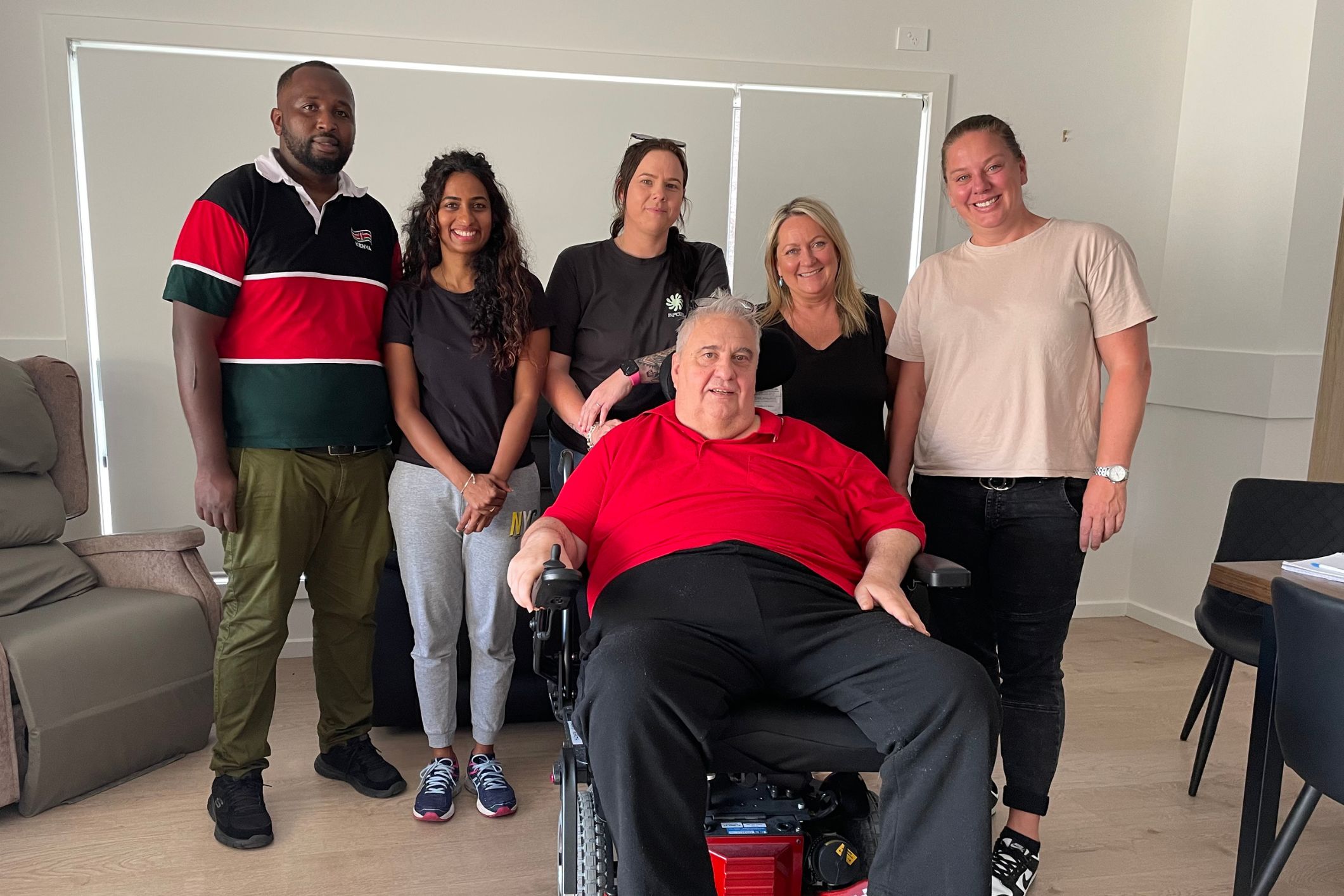
Nick, Craig, and Alicia are just a few of the many Australians with disabilities who have experienced a profound impact on their lives due to Specialist Disability Accommodation (SDA).
After years of living in hospitals or aged care facilities, they were able to move into a specially designed home that gave them a sense of independence and agency they may not have had before.
In May 2022, ABC News highlighted Alicia’s situation as one of over 1000 National Disability Insurance Scheme (NDIS) participants estimated to be stuck in hospitals at the time, waiting for plans to be approved or disputes to be resolved.
She had been in the hospital for over two years, but with the help of CareChoice, a Victorian disability support provider, she was able to obtain suitable funding for SDA and will be joining Nick and Craig in their home.
SDA is a type of specialist disability accommodation that provides appropriate housing and support for individuals with disabilities. The NDIS provides ongoing funding to contribute to their rent and enable them to receive support in the home. SDA properties are designed to cater to the specific needs of individuals with disabilities, with features such as height-adjustable kitchen benches and accessible bathrooms.
CareChoice has been at the forefront of making SDA a reality for many individuals, and their work is making a real difference in the lives of those who need it most. The organisation’s Rapid Hospital Discharge program helps transition clients out of care and hospitals and into SDA properties. With the support of CareChoice, individuals like Nick, Alicia, and Craig were able to find a new place to call home in SDA properties.

Janine MacDonald, a CareChoice Spokesperson, highlighted the importance of having a network of support around these individuals to help them transition. The support team includes family and friends, support coordinators, Carechoice care teams, and a range of other professionals. The involvement of family members is integral to the transition process, as they are involved in everything from checking out the SDA property to setting up their loved one’s room with personal effects.
“When they walked into their brand new homes, they were overwhelmed with emotion. They were able to explore the various features of their new homes, from the height-adjustable kitchen benches to the backyard, which they were already planning to use for barbecues,” said Ms MacDonald.
The Rapid Hospital Discharge program is a positive step in the right direction.
By providing individuals with disabilities with appropriate housing and support, we can empower them to lead fulfilling and independent lives.
SDA is a crucial component of this effort, and organisations like CareChoice are making a real difference in the lives of individuals who need it most.


