Today is International Nurses Day which coincides with the announcement of more support and resources for these healthcare heroes in the 2023-2024 Budget.
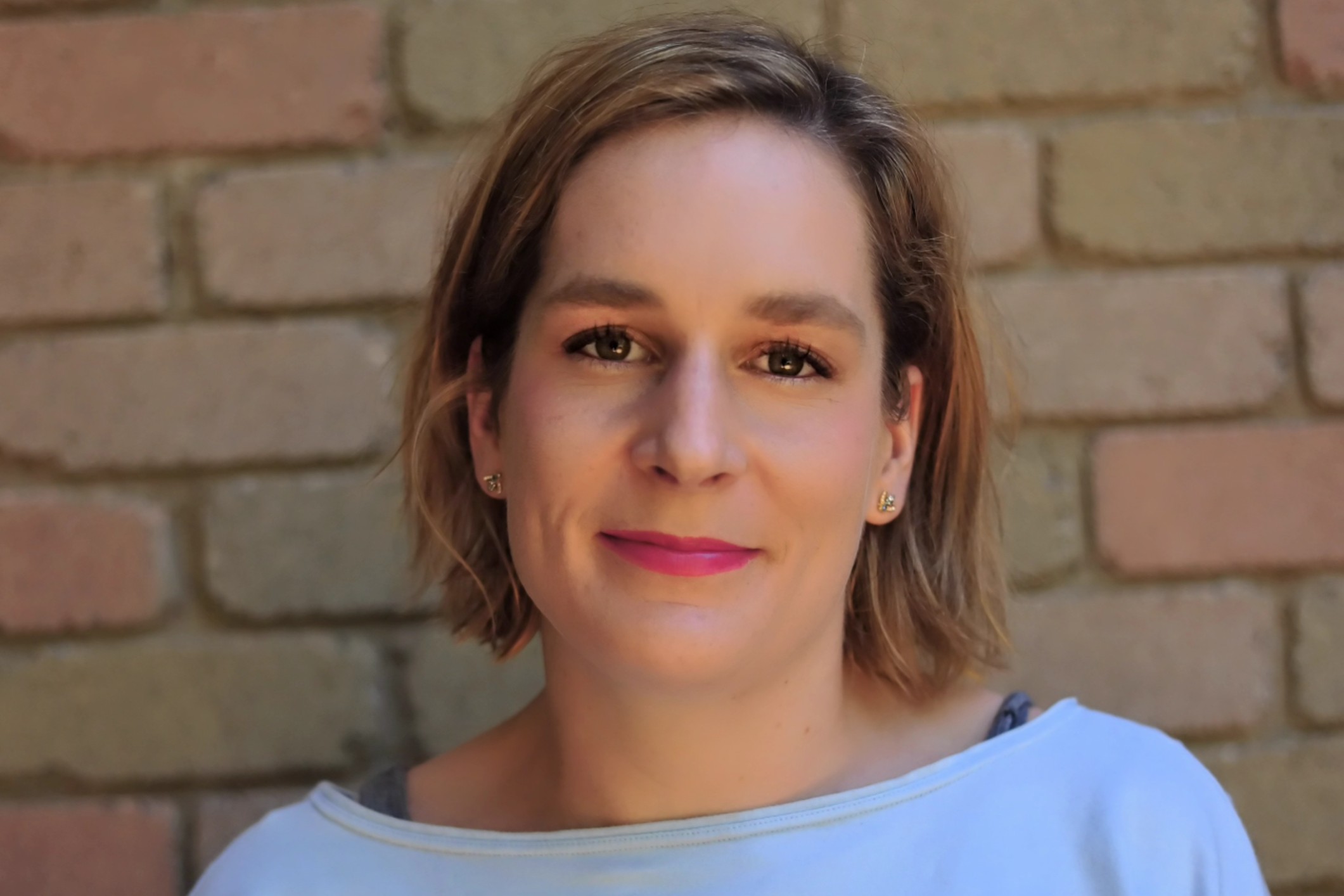
Today’s awareness day offers time to reflect on just how important nurses are like Nurse Practitioner (NP), Rasa Kabaila.
Rasa, 34, has been a Registered Nurse (RN) for over 10 years, an NP in Port Macquarie for three years and as of this year, she acquired the title of a published author with the release of her book Put some Concrete in your Breakfast: Tales from Contemporary Nursing which was published in March.
Rasa helps to make up the 450,000 RNs and midwives currently working in Australia.
While she has worked both rurally and internationally in multiple fields such as palliative care, acute care and mental health, Rasa began her career at 16, working at an aged care home.
“To be honest, when I started it, I didn’t like it because I was very young and was thrown straight into the dementia wing,” she explained. “There was a lot to learn and it was very heavy but I soon started to learn people’s stories and fell in love with the work. It really just was unlike anything else.”
Other jobs seemed incomparable to Rasa and she soon figured out nursing was her destined path.
An avid writer, Rasa wrote over 10 articles for different academic journals before being prompted by a friend to write her own book.
Determined to share the stories nurses hear and experience daily, Rasa got to work collating anecdotes to shed light on the raw truth of the job and promote the work they do.
“I was hesitant to write the book at first because I thought these are not really unique stories
in that these stories are shared by many nurses,” she said.
“The versions of stories that we give people at the dinner table are often the downplayed version of what the truth is.”
The daily life of a nurse can be full of both heart-warming, hilarious, strange and horrific experiences which many non-nursing folks don’t hear about. As a consequence, the work and compassion provided by nurses often goes undervalued. But Rasa said there are so many benefits to working as a nurse and she wouldn’t trade it for any other career.
The message running throughout her book is that becoming a nurse was “one of the best decisions I ever made”.
“Just because something is challenging, it doesn’t mean it isn’t rewarding. Sometimes people can try their entire life to try to find meaning and put this into action, but nurses do that every day,” said Rasa.
Speaking on the recent Budget, Rasa said she thought the announcements for nurses were “fantastic news”, particularly for those working in aged care.
As the sector battles to recruit and retain nurses, particularly with new mandates requiring a nurse to be present in aged care facilities 24/7, Rasa wants to see the Government and executive management put their money where their mouth is and support nurses properly.
“What the statistics show is that when nurses leave a job, they don’t leave a job because of the work they leave a job because of the management,” she said.
At the start of this year, Rasa fulfilled her dream of self-employment when she opened her practice, Broadleaf, where she offers her NP holistic assessment, treatment and therapy to both public and private clients in a mixture of face-to-face and telehealth consults.
Looking at further industry reforms, Rasa would like to see Medicare rebates altered, particularly for NPs, who receive about half as much as other health specialists. She said this makes being a self-employed practitioner hard and is the reason many charge gap fees.
While she said she was grateful for Government support streams, gap fees deter patients from getting help.
“I think most nurses would prefer to not have to charge any of their patients,” said Rasa.
“Australia is considered to have one of the best healthcare systems in the world but I don’t think it’s good enough. If we’re one of the best countries in the world for healthcare, then why is it still hard for people to get the help they need? Or they’re avoiding getting the help because they can’t afford it?”
You can get a copy of Rasa’s book Put some Concrete in your Breakfast: Tales from Contemporary Nursing through Rasa’s website.
Are you a nurse that resonates with Rasa’s story? How are you spending International Nurses Day? Let us know in the comments below.


