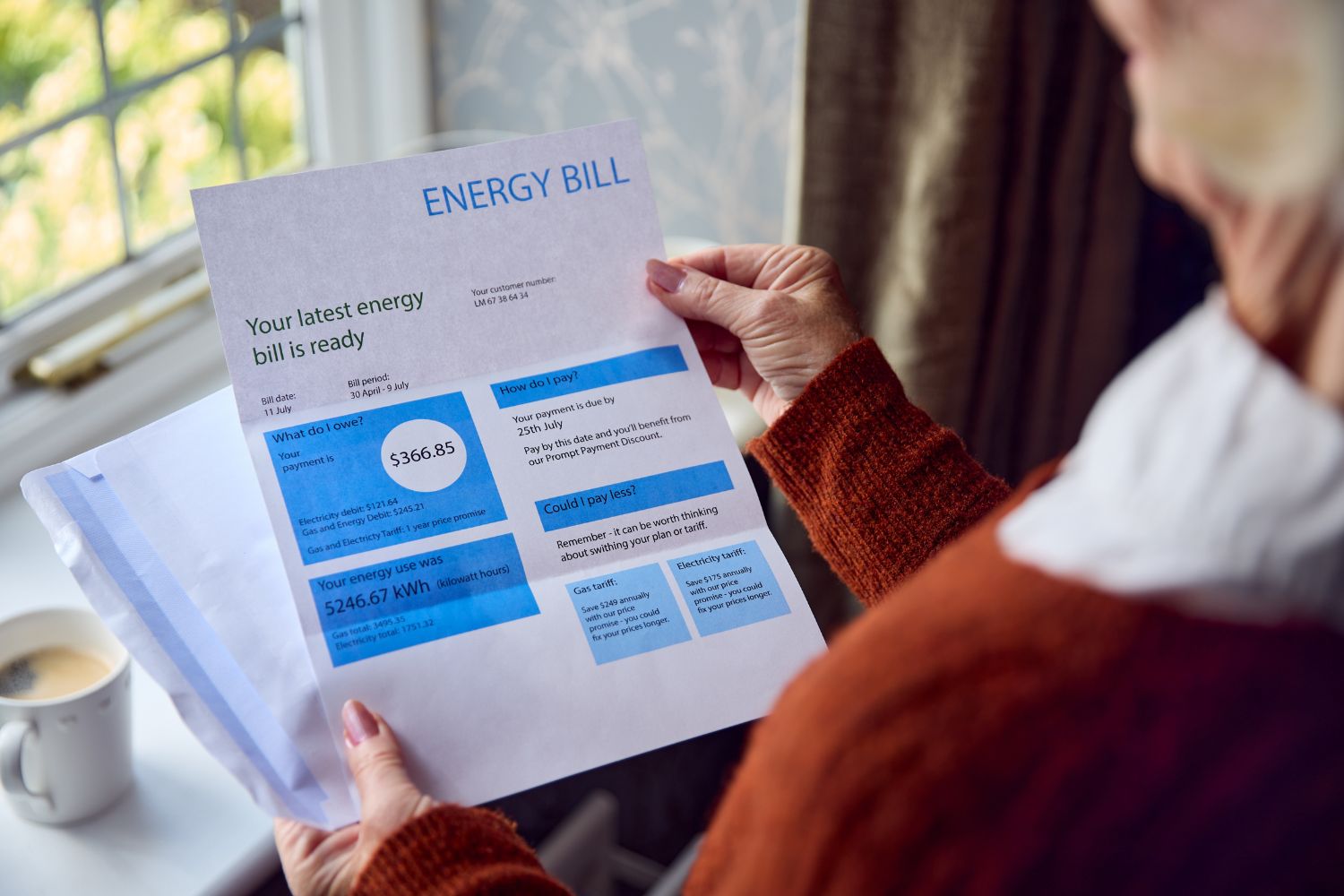
As electricity prices soar across several states in Australia, hundreds of thousands of customers are bracing themselves for a substantial increase in their energy bills.
The Australian Energy Regulator (AER) has recently confirmed that electricity prices will surge by an estimated 20 to 25 percent from July 1, affecting approximately 600,000 customers in New South Wales, south-east Queensland, and South Australia.
This impending financial burden is particularly concerning for elderly citizens who have played a significant role in building this nation and deserve to be treated with dignity and respect in their golden years.
Impacts on elderly Australians:
The rise in electricity prices will undoubtedly have a profound effect on elderly Australians, who often live on fixed incomes and have limited financial resources. Many of them rely heavily on electricity for heating during the winter months, and the surge in energy bills will put significant pressure on their already stretched budgets.
Elderly Australians are more susceptible to the adverse effects of extreme temperatures, making access to affordable electricity a matter of health and well-being. With the impending price hikes, many will face difficult choices between heating their homes adequately and affording other essential needs such as medication and food.
Inequitable treatment:
The rise in electricity prices is not only financially burdensome for elderly Australians but also raises concerns about the fairness of the energy market. The Default Market Offer (DMO), which serves as a price cap for households and businesses on standing deals, often penalises those who have not actively sought out more competitive deals. This places vulnerable individuals, such as the elderly, at a distinct disadvantage as they may lack the knowledge or means to navigate the complexities of the energy market effectively.
Moreover, the revised increase in electricity prices is higher than initially proposed by the AER, indicating a lack of consideration for the already vulnerable groups in society. Stakeholder feedback and factors such as wholesale costs, network expenses, environmental schemes, and retail prices were taken into account when revising the price increase. However, it is evident that the voices and concerns of elderly Australians, who will be disproportionately affected, may not have received adequate attention during this decision-making process.
As electricity prices continue to rise, it is crucial to acknowledge the significant impact this has on elderly Australians. These individuals, who have played an instrumental role in shaping the nation, are now facing the harsh reality of increased financial strain and compromised quality of life.
As a society, we must prioritise the well-being and dignity of our elderly population, ensuring they are protected from the burden of skyrocketing electricity costs. It is time to reevaluate the energy market to ensure fairness, affordability, and equal access for all, particularly those who have dedicated their lives to our collective prosperity.



I see Britain had a program this last winter where GPs could actually prescribe heat by way of a grant for individual patients who were at risk from extreme cold.