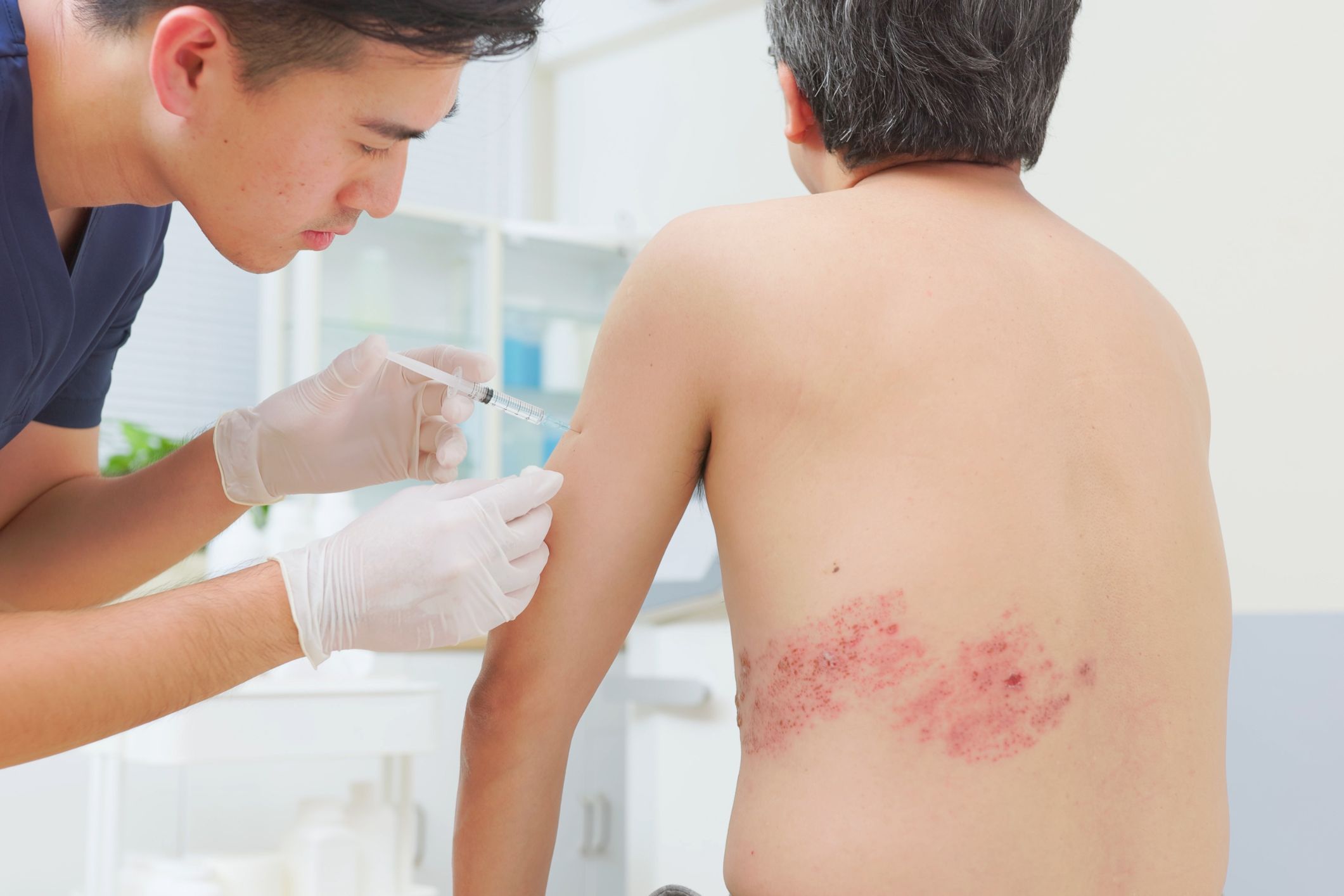
In a move set to protect hundreds of thousands more Australians, the Albanese Government has expanded its free shingles vaccination programme. Adults over the age of 18 who are immunocompromised—either due to underlying health conditions or as a result of treatments—are now eligible to receive the Shingrix vaccine at no cost.
Health and Aged Care Minister Mark Butler emphasised that this expansion is not only beneficial for Australians’ health but also eases the financial burden. “Making the shingles vaccine free for more Australians is not just good for their hip pocket, it’s also good for their health,” Butler explained. Previously, those with compromised immune systems would have faced costs of up to $560 for the vaccine.
Backed by a $57.7 million investment over the next four years, this expansion broadens what is already one of the world’s most comprehensive shingles vaccination programmes. Since Shingrix was introduced to the National Immunisation Program (NIP) on 1 November 2023, over 1.3 million Australians have received the vaccine, preventing shingles and its associated nerve pain, post-herpetic neuralgia.
Without vaccination, nearly 1 in 3 Australians will develop shingles in their lifetime, according to Minister Butler. The infection, caused by the reactivation of the chickenpox virus, leads to a painful, blistering rash, with symptoms lasting 2 to 3 weeks. For some, the condition results in months of persistent nerve pain, which can seriously impact their quality of life.
The expanded programme builds on existing eligibility, which already covers individuals aged 65 and older, Aboriginal and Torres Strait Islander people aged 50 and above, and high-risk immunocompromised adults with certain medical conditions.
“The expanded eligibility for the free shingles vaccination is about protecting more at-risk Australians from this debilitating virus,” Butler added. The government’s investment is a clear commitment to improving public health and ensuring vaccines are accessible to more Australians.
Vaccination remains a safe and effective way to protect against serious complications caused by shingles. Australians are encouraged to consult with their immunisation providers about their eligibility for the vaccine, while health professionals can access further guidance through official channels.


