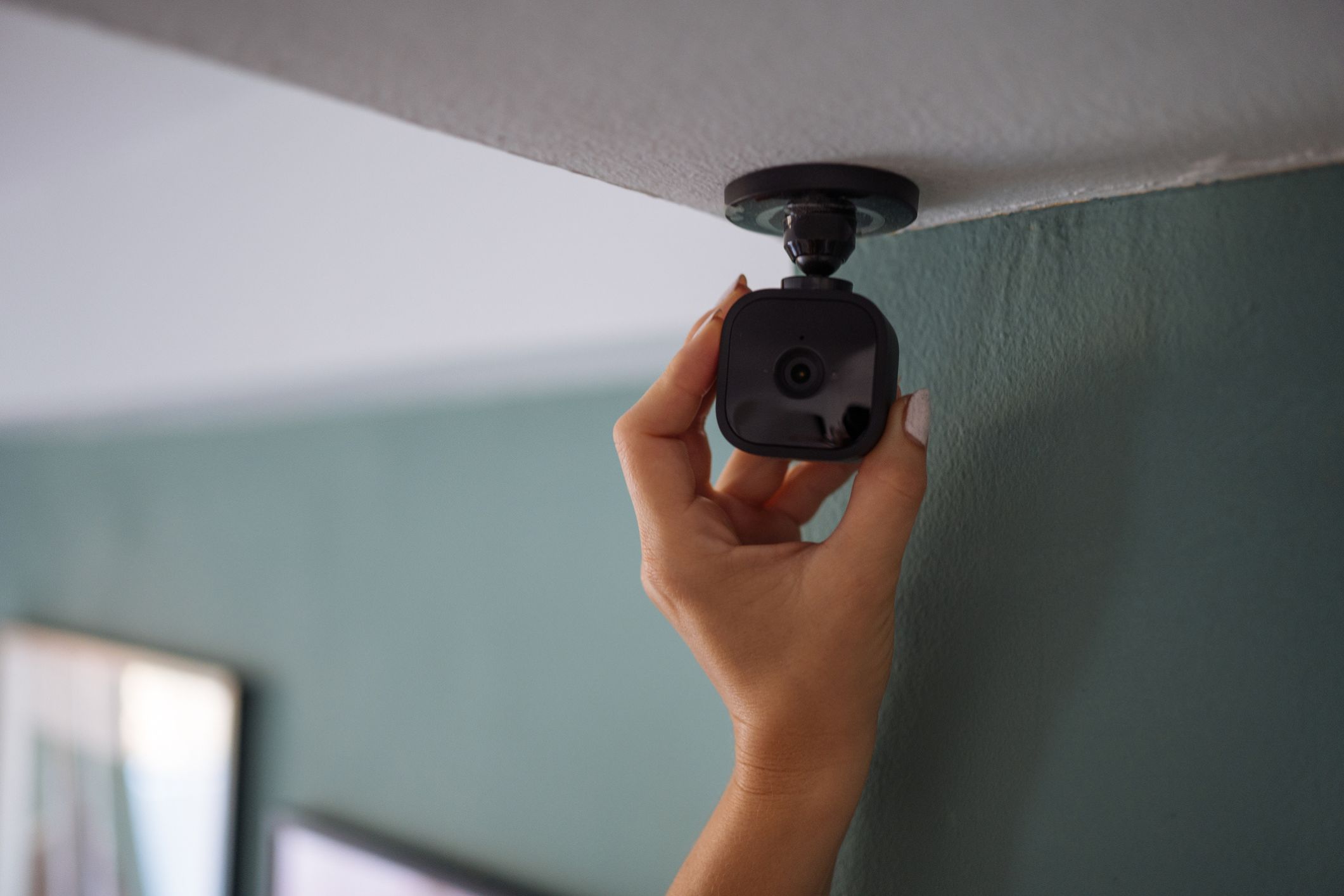
Independent South Australian MP Frank Pangallo is leading a push to introduce CCTV cameras in South Australian aged care homes, with new legislation set to be introduced to parliament. If passed, the law would permit surveillance cameras in residents’ bedrooms, marking a national first aimed at safeguarding vulnerable individuals and deterring potential abuse.
The proposal comes after several high-profile abuse cases, including the Oakden abuse scandal and disturbing footage captured in 2015 by Noleen Hausler, who placed a hidden camera in her father’s room. Her actions exposed staff mistreatment, triggering widespread calls for better protection of residents.
“These things are still happening,” said MP Frank Pangallo in a recent interview with 9News. “We’re still hearing stories, and I’m hearing stories of residents in aged care that are being abused.”
Hausler, who became a vocal advocate for reform following her father’s abuse, expressed strong support for the initiative, saying the legislation would provide a “visual voice” for residents unable to defend themselves. “It’s for those who don’t have the ability to protect or defend themselves,” she told 9News.
The proposed legislation extends beyond aged care homes, also applying to NDIS-supported accommodation and in-home care. Advocates hope that the added layer of accountability will deter mistreatment and ensure higher standards of care.
The push for CCTV cameras has sparked debate about balancing safety and privacy.
While many welcome the initiative as a necessary step toward preventing abuse, some stakeholders may express concerns over residents’ right to privacy in their own rooms. However, the government aims to address these concerns through transparent policies on consent and camera use.
If approved, the legislation is expected to roll out within the next 12 months, giving South Australia’s aged care sector a leading role in driving national safety standards.
With aged care services under greater scrutiny following the Aged Care Royal Commission, the move could set a precedent for other Australian states to follow.


