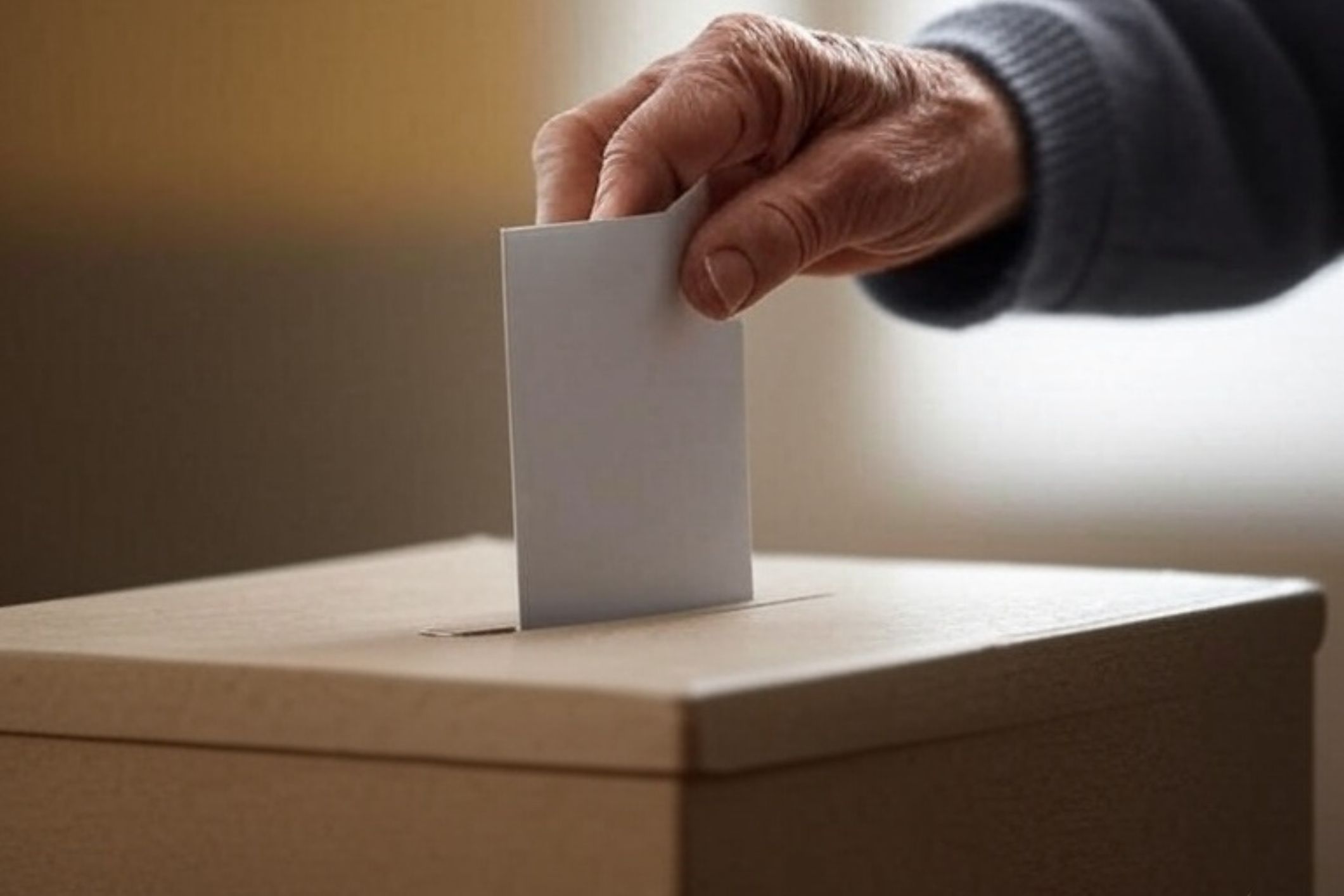
A record number of Australians in aged care and hospital settings had their votes rejected at the 2025 federal election, raising alarm bells among health and advocacy groups who say vulnerable populations are being left behind in the democratic process.
New figures reveal a sharp rise in informal votes among people voting from aged care homes and hospital wards, with some electorates reporting rejection rates close to 70 per cent for ballots collected by special hospital teams. In some cases, informal votes even outnumbered valid ones.
Health Minister Mark Butler has called for urgent attention, warning the surge in informal ballots has the potential to affect the outcome of tightly contested seats.
“The outreach that the AEC has conducted for a long period of time into these facilities to ensure that residents are able to exercise their democratic right to vote is a critical part of our democracy,” Butler said at a press conference, as reported by The Sydney Morning Herald. “There’s certainly a very significant increase in informality in some areas, including, frankly, I saw in my own electorate.”
The alarming figures have prompted peak bodies such as the Australian Healthcare and Hospitals Association and National Seniors Australia to call for a thorough investigation by the Australian Electoral Commission (AEC).
Both groups are urging the AEC to uncover the root causes of the spike in informal votes and improve access and understanding for vulnerable voters ahead of future elections.
In some regions, the numbers are staggering. In the northern Sydney electorate of Berowra, the informal voting rate for ballots collected by a hospital team soared by more than 60 per cent since the last election.
In Tasmania’s Lyons electorate, a similar trend was recorded. In Bradfield, a formal recount was triggered after the Liberal candidate led by just eight votes – but informal votes collected in hospitals had increased more than sixfold since 2022.
Electoral experts point to several possible reasons for the rise in informal voting, from administrative issues and a lack of awareness by hospital staff, to cognitive decline and disengagement among aged care residents.
Chris Grice, chief executive of National Seniors Australia, said that a growing number of aged care residents are entering facilities later in life, often with more complex health issues and higher rates of cognitive impairment.
“Older people, like others, may also feel disengaged with politics and this might lead to an informal response when they cast their vote,” Grice said. He added that if cognitive impairment is a key factor, the AEC must ensure the process of opting out of the electoral roll is clear, fair, and not open to exploitation.
Meanwhile, Tony Farley of the Australian Healthcare and Hospitals Association said the AEC should consult with staff in hospitals and aged care settings to identify gaps in the voting process and avoid repeat failures.
Even isolated incidents have sparked concern. One hospital in regional New South Wales reportedly failed to inform a patient or their partner that AEC officers were on site. By the time they learned voting had occurred, it was too late to request a postal ballot and the patient remained too unwell on election day to attend a polling place.
Although the AEC has pledged to conduct a review into the informal ballots, it has so far admitted the reason for the spike is not yet clear. A parliamentary inquiry is also expected to examine the broader conduct of the 2025 election later this year.
Special Minister of State Don Farrell has welcomed the review, reaffirming trust in the independence of the AEC while acknowledging the need for continued scrutiny.
In closely fought contests where every vote carries weight, the growing number of rejected ballots in aged care and hospitals is more than just a statistic – it’s a warning sign. As the nation prepares for future elections, ensuring that older Australians and those in care aren’t shut out of the democratic process must become a top priority.


