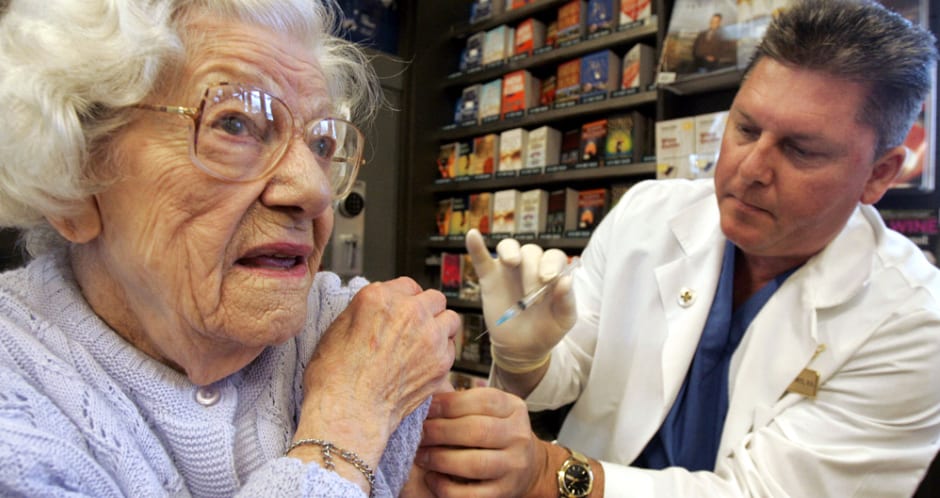
This flu season has been especially with a number of deaths still increasing.
By mid-september, it was reported that 78 aged care resident in Victoria had died from the flu.
Now, that number has risen to risen to 121, according to a government spokesperson.
Up until last week, the death toll was up to 95.
The flu, or influenza, is a highly contagious viral infection, spread by contact with fluids from coughs and sneezes.
“This has been a perfect storm; there’ve been three separate viruses circulating,” Royal Melbourne Hospital respiratory medicine director Lou Irving told SBS.
Most of the deaths have been attributed to H3N2, a fast-mutating strain of the flu that is defying vaccines and medical experts’ efforts to stop it.
In Victoria, 70 per cent of people diagnosed with the flu since the beginning of the year have suffered from influenza A H3N2, Australian Sentinel Practices Research Network statistics show.
While nationally across Australia 74 per cent of cases have been influenza A H3N2. Thirty three per cent have been influenza B, and 4 per cent influenza A H1N1.
As this virus is highly contagious, it is advised that if you or a loved one may be experiencing flu symptoms, then it is recommended that they stay away from aged care facilities.
The elderly are highly susceptible as older adults and people with chronic diseases are more likely to have complications from the flu.
More than 160,000 people have contracted the flu in Australia so far this year, Health Department figures show, compared with 75,818 recorded cases for the same time last year.
To combat this, the Government are putting in $115 into the healthcare system to ensure that there is enough support and adequate flu treatments for demand.
“We have had over 14,000 notifications of influenza this year in Victoria – that is more than double what we had last year,” Health Minister Jill Hennessy told reporters on Monday.
“We are being advised that the flu season may have peaked, but we’d like to see some greater evidence of that because, certainly, the demand on our health system continues.”
In 2015, influenza was the 12th most common cause of death, with the average victim being 88.6 years old.
“There’s a cohort of unvaccinated people, including young children, that have been spreading the illness,” said Irving
Irving urges that people should get vaccinated, “there’s a peak and it’s beginning to drop, fingers crossed… although there is ‘background flu’ now even out of season. There’s a little bit of flu circulating all the time.”
What do you have to say? Comment, share and like below.


