There are more than 200 different kinds of dementia, and medical research is yet to find a cure or a way to reverse the condition.
Dementia is an umbrella term for large group of illnesses that affect the brain and cause a progressive decline in a person’s functioning.
In Australia alone, around 244 people each day develop some form of dementia.
There is no definitive way to ensure a person will not develop dementia in their lifetime, but there is a great amount of research going into determining the risk factors and seeing who will most likely have the condition.
Research into dementia risk factors, which is very different to finding a treatment or cure, is a vital step in the prevention of dementia. This kind of research can also aid in early diagnosis.
If viable pre-dementia regimes can be found, it may delay the onset of dementia to later in life – allowing a person to live longer with a high quality of life.
There is no single test that is used to detect and diagnose dementia, and it can be costly to get CT and MRI scans.
However, researchers from the University of Chicago believe they have found a feasible solution for dementia risk and potential diagnosis testing.
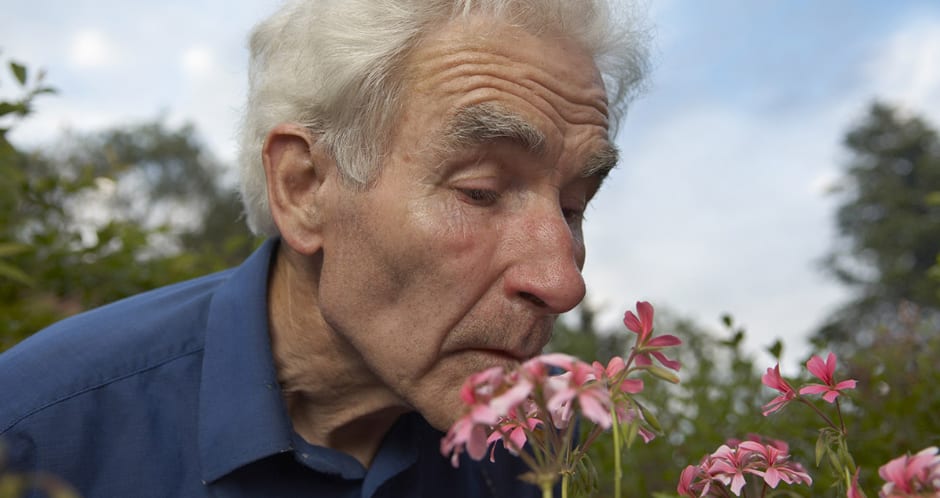
They suggest a simple “smell” test.
Researchers use a group of 3,000 adults aged between 57 and 85 years of age to test their theory that a decline in smell may be connected to a dementia diagnosis.
This group of people were asked to smell a sample of five different odours – peppermint, orange, leather, rose and fish.
Test results showed that:
The reason these researchers wanted to investigate the role of smell was based on previous research which had show that tangles of protein, that was commonly found in people with Alzheimer’s, were in the olfactory system (the system that is used for smell).
In the five year follow-up, it was found that the people who could not smell and of the odours had all developed dementia.
And that almost 80 per cent of people who could only smell one or two of the five, were also diagnosed with some form of dementia.
“These results show that the sense of smell is closely connected with brain function and health,” said the study’s lead author, Jayant M. Pinto.
“We think a decline in the ability to smell, specifically, but also sensory function more broadly, may be an important early sign, marking people at greater risk for dementia.”
“We need to understand the underlying mechanisms,” Pinto added, “so we can understand neurodegenerative disease and hopefully develop new treatments and preventative interventions.”
“Loss of the sense of smell is a strong signal that something has gone wrong and significant damage has been done,” Pinto said.
“This simple smell test could provide a quick and inexpensive way to identify those who are already at high risk.”
However, Pinto says there is still a long way to go for dementia research, “our test simply marks someone for closer attention,” he explained.
“Much more work would need to be done to make it a clinical test. But it could help find people who are at risk. Then we could enroll them in early-stage prevention trials.”
What do you have to say? Comment, share and like below.



3.5