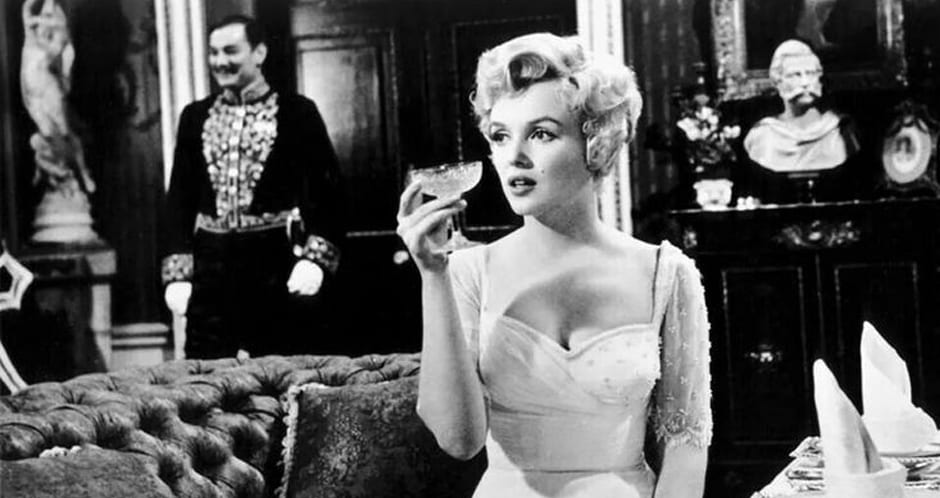
Research resurfaces however experts urge caution
As reported by the Daily Mirror, “Drinking three glasses of champagne per week could help stave off dementia and Alzheimer’s disease”. However experts worn before you make this your weekly routine the study has only been shown to be effective on rats. Perhaps not what you were wanting to hear leading up to the festive season.
The study performed was actually performed in 2013 and has recently resurfaced going viral on social media. Leaving many people wondering if in fact champagne could be good for you after all. However before we get too excited, health experts have indicated there are better ways to improve your memory. The study was performed in the United Kingdom on animal researcher found that the compound of champagne was similar to that if red wine and believed that it may help prevent forms of dementia such as Alzheimer’s disease and promote spatial memory.
The study looked at the impact phenolic acids had on the memory of rats after consuming champagne. Phenolic acids found in champagne, similar to flavonoids are thought to have antioxidants qualities. There were three groups of rats given the same drink daily for six weeks. Which included either champagne, a non-champagne alcoholic drink or an alcohol-free drink. Rats given the champagne were better at remembering how to find the treat than those given the alcohol-free drink.
What the study did find was that it may improve spatial memory in adult rats, possibly in relation to the phenolic acids in the champagne.
Like most things if done in moderation, it should be enjoyed. Using champagne to prevent dementia however still needs further testing.
Tip to consider: A cheaper and healthier way to increase your flavonoid intake is through eating parsley, peanuts and blueberries. But yet again whether this will actually prevent dementia it’s not yet proven.


