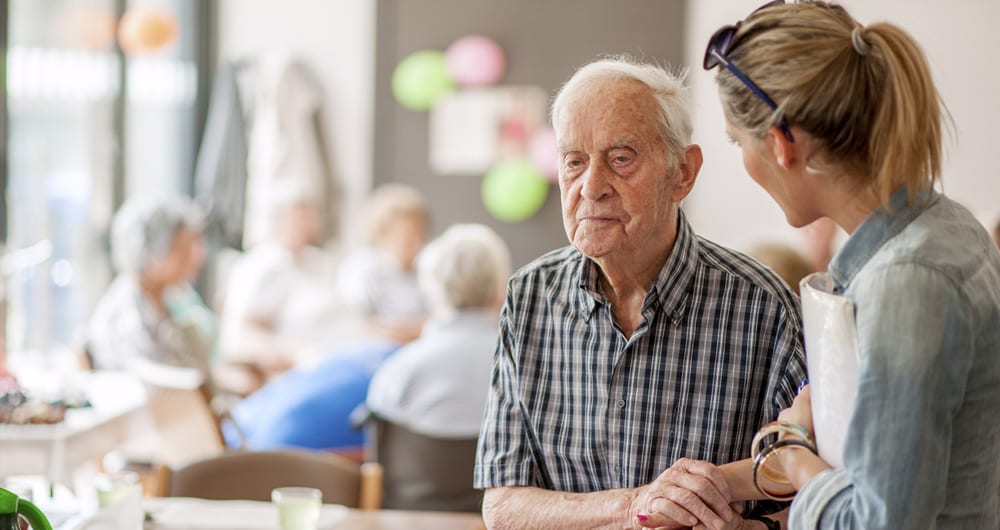
Currently there are more than 400,00 Australians with dementia and this figure is expected to increase to almost 900,000 by 2050.
It’s estimated that there are 244 new cases of dementia everyday in Australia.
Diagnosis can be one of the most challenging times for not only the person with dementia, but for their family and loved ones too.
Getting a timely diagnosis can make a big difference in what action a person and their family can take.
It’s advised that plans should be put in place before the condition progresses. This means planning things such as financial planning, living situations and end of life care.
The earlier a diagnosis of dementia is obtained, the more time there is to make choices about what is important in the years ahead when living with this condition.
Normally, people may notice symptoms of dementia in themselves or others for a few months before taking actions or seeking medical advice.
Other common symptoms that concern people include memory loss, apathy, reduced attention span, reduced initiative or changes in visuospatial abilities. In older people, these symptoms should not be dismissed as ‘part of ageing’.
So what is the process of getting a diagnosis?
The first course of action should be a visit to the GP, where you can ask and discuss concerning symptoms with them.
As a patient, or a loved one of a patient, there are things you can do/ask to ensure a correct diagnosis.
When symptoms are first reported, a GP should:
Any GP a person sees should take concerns seriously, and not dismiss them as a normal part of ageing
If possible, it would be helpful for the GP if they speak with both the person with dementia and someone who knows that person well.
Based on the findings, the GP may refer the person to a memory assessment clinic or specialist for further investigations.
The general practitioner will also provide ongoing support and manage both the symptoms of dementia and other medical conditions.
The type of specialist that a person may be referred to can include medical specialists with expertise in dementia include geriatricians, neurologists, psychiatrists and psychogeriatricians.
One of these specialists will conduct an assessment in a clinic and will usually be the person who makes and gives the diagnosis.
The specialist should be able to organise any necessary further tests or treatments. This may include neuroimaging, such as a CT scan or MRI scan.
Once a person is diagnosed, it’s not uncommon for them to have nursing and allied health staff as part of their team for assessment and treatment.
These may include neuropsychologists, psychologists, social workers, speech pathologists, occupational therapists, dietitians, pharmacists, exercise physiologists or physiotherapists – but every person’s case is different, so the support they receive will need to be tailored to them.
The memory assessment specialists should also link carers, family members or friends who would benefit from more support or information into services within the community.
There is no “right” way to react to a diagnosis. People often report feelings of loss, anger, uncertainty and frustration. Other people often feel relieved to know what is wrong.
Because a diagnosis affects a whole group of people – the person with dementia and their loved ones – it is important that health professionals are honest and respectful when communicating the diagnosis.
The diagnosis should be communicated in a way that is sensitive, it needs to be understandable to the person with dementia with regard for their individual language and communication needs.
The doctor or specialist giving the diagnosis should emphasise that progression is often slow, treatments for specific symptoms are available and though there is currently no cure, research is striving to find ways to help people with dementia.
People with a history of depression and/or self-harm may be at particular risk of depression, self-harm or suicide following a diagnosis of dementia, particularly in the first few months after diagnosis.
A consumer companion guide entitled Diagnosis, treatment and care for people with dementia: A consumer companion guide has been developed as a useful resource for people with dementia, their care partners as well as clinicians.
What do you have to say? Comment, share and like below.


