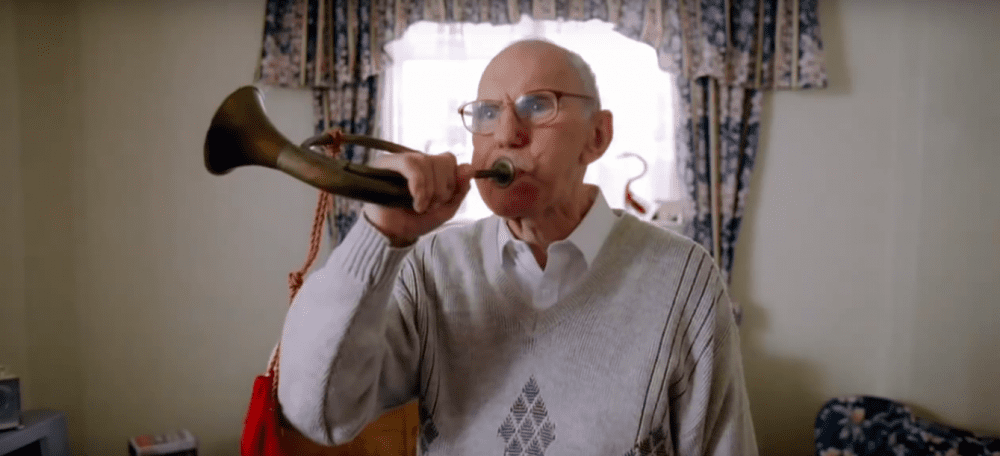
There’s a stereotype that older people are grumpy and hate everything. You see it on tv and in movies, the elderly neighbour is usually a gruff character who is always complaining.
But research suggests that this might be the furthest thing from the truth. And that there is something we can learn from the elderly about happiness.
Though the elderly may be frail physically and socially isolated, they actually have a lot of insight into what truly makes people happy.
Older people are less distracted, it seems, by the changing world around them. Rather they are focused on what is important to them. Whether that is family friends, pets. Or even their favourite hobby.
They have a resilience that comes with age and time that many younger people do not have.
Older people are able to maintain purpose and meaning in life even in the face of significant disease and disability, impaired mental and physical functioning and limited participation in activities.
The elderly are less worried about things that might happen. They worry when it happens, and even then they don’t worry. They just deal with it.
Most come from a time where life was not as fast paced, money driven and distracted by technology.
The youth focused culture has taught people that being young is better, and in turn it makes people dread ageing.
Older people, it is found, do not dread getting older. And many do not fear death. Rather, they cherish the time they have left. They want to use it wisely.
Ageing shouldn’t be about the problems that are yet to come, it should focus on a person’s potential.
Dr. Gene D. Cohen, a founding father of geriatric psychiatry “saw not only what ageing is, but what ageing could be; not what we accomplish in spite of aging, but because of ageing.”
Dr. Cohen’s says that people have the potential to see possibility instead of problems.
Ageing is a catalyst for rich new experiences – and it allows the opportunity to renew passions and reinvent oneself.
At any age, people can open up to new possibilities and add richness to life.
According to Dr. Cohen, creativity can benefit aging by strengthening morale, improving physical health, enriching relationships and establishing a legacy.
Older people with their years and experiences can really teach others a lot about how they should cherish their time. Some pearls of wisdom that the elderly advice to younger people include;
“When you wake up in the morning and your eyes are open, make the most of your day.”
“Each day you spend, is one day you’ve got less. Spend them wisely.”
“Study as much as possible. You never stop learning, there’s always something else to learn.”
“Stand up for yourself, and don’t be shy.”
“Don’t buy things you cannot afford. Pay your debts.”
“If you do what you love, it shows within yourself.”
“Always look forward, but every once in a while take a look back.”
What do you have to say? Comment, share and like below.



Hii, Hope you are doing good. Thank you for sharing this important information with us. We would like to hear more from you.