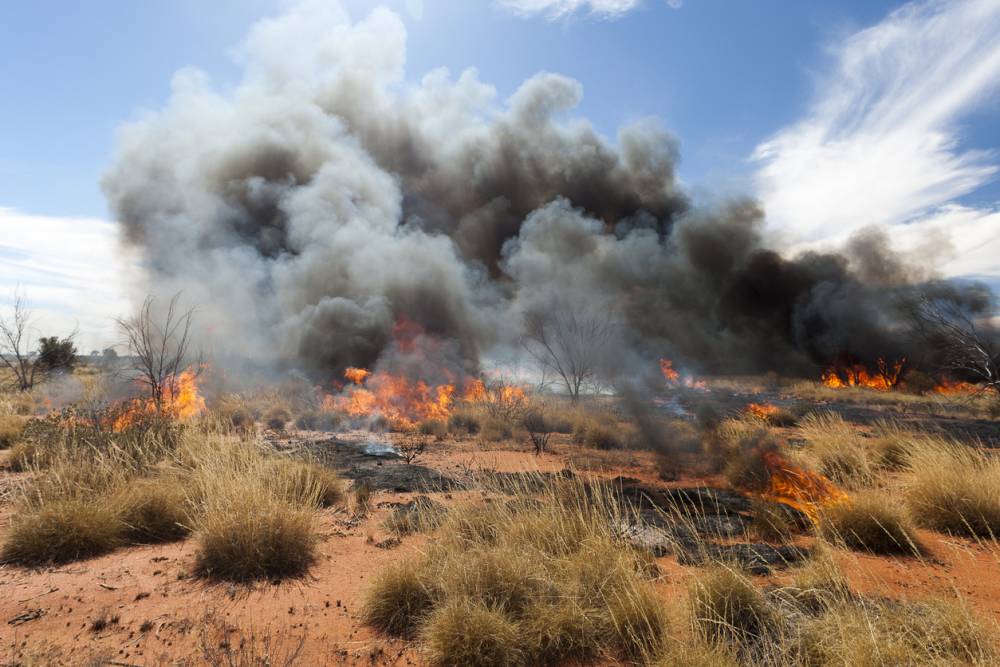
Bushfires have been burning all along Victoria’s south-west, and it’s forced people to leave their homes. This even includes aged care residents.
Peat fires have been burning for several days now near Cobden, east of Warrnambool.
The nearby Cobden Health is home to 55 aged care residents, had to be rehoused over the weekend.
Peat is an accumulation of partially decayed vegetation or organic matter, which is used in agriculture to assist aeration and water retention.
Peat is high in carbon if the deposits dry out in combination with extreme temperatures may start a peat fire.
These peat fires are especially dangerous because they are creating carbon monoxide, putting people near the area at risk of poisoning.
Elderly people, pregnant women and families with children aged under 14 had all been advised to leave the area.
Cobden Health’s CEO, Leonie Rooney was told that potential risk for carbon monoxide poisoning would be ongoing – and in the care of the elderly residents, it was better to be safe than sorry.
“We’d rather go too early than go too late. If all the experts make a recommendation, you follow it,” she said.
The facility’s residents have been moved to areas including Geelong, Anglesea and Lorne. It is understood that the staff from Cobden Health will visit them during the relocation to offer care and ensure medication is taken correctly.
“We had 11 residents that have respiratory problems that we sent out [Saturday] and the rest of our residents went out from early [Sunday].”
“We’re been telling them they’re going on a little bit of a holiday,” Rooney told The Age.
“We were telling them that they’re going for seaside holidays, and trips in the country — but they were all pretty chirpy.”
“They’re all in good spirits. We’ll try and make it as painless and seamless as possible.”
It’s not common that a facility is required to move all their residents, and this is the first time Cobden Health has done such relocation.
Carbon monoxide poisoning is known as a “silent killer”. It occurs when carbon monoxide builds up in your bloodstream.
The symptoms of carbon monoxide poisoning aren’t obvious at first, especially when there is low-level exposure.
A tension-type headache is the most common symptom of mild carbon monoxide poisoning. While other symptoms include dizziness, nausea and vomiting, tiredness and confusion, stomach pain, shortness of breath and difficulty breathing.
Relief centres have also been setup in both Terang and Cobden, and local residents have been encouraged to check in with health authorities because of the extensive smoke. So far nearly 160 people have undergone health checks for carbon monoxide poisoning.
What do you have to say? Comment, share and like below.


