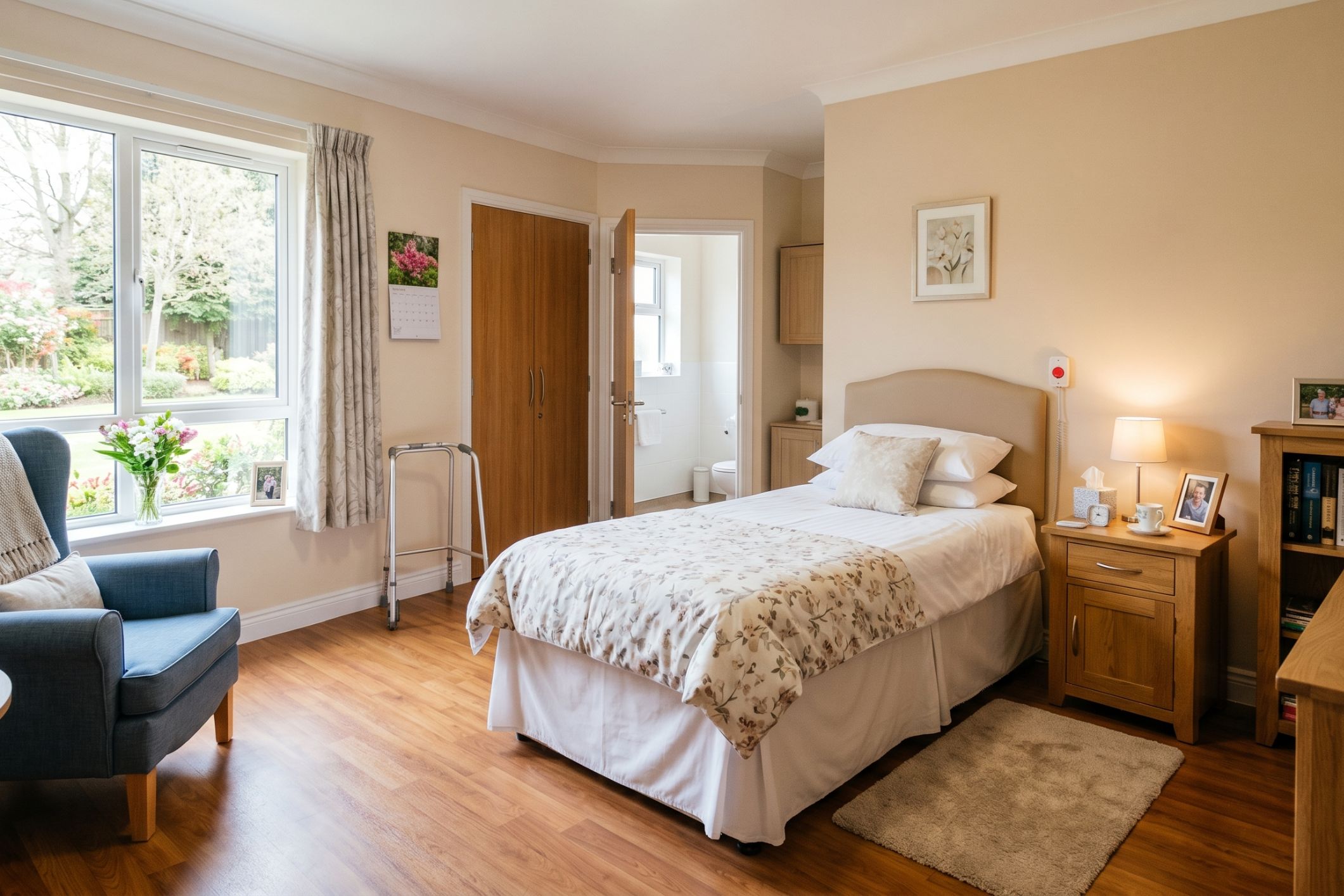
The industry average price for aged care rooms has declined for the first time since the maximum allowable price was raised to $750,000 in January 2025, according to the latest Mirus Industry Analysis released on 16 April 2026.
Data for March 2026 shows the weighted average room price across the sector fell 0.20 per cent to $594,557, down from $595,750 the previous month. The drop marks a notable shift after more than a year of steady or rising averages following the government’s adjustment of the price cap.
At the same time, a significant number of providers continued to lift prices at both ends of their range. The number of services that increased their highest room price rose from 142 in February to 155 in March, an increase of 9.15 per cent. Those raising their lowest room price climbed even more sharply, from 121 to 156 facilities, a jump of 28.93 per cent.
Mirus analysts explain the apparent inconsistency as a result of how the industry average is calculated. The figure is a weighted average based on all rooms in a facility. Many homes have only a small number of premium rooms, often just one, that are substantially larger and priced much higher than the bulk of their inventory.
These outlier rooms have less impact on the overall weighted average when the majority of standard rooms remain unchanged or see only modest adjustments.
The decline in the average price occurs against a broader backdrop of stability in the sector. Occupancy continued its two month upward trend, rising 0.33 percentage points to 92.91 per cent in March. Average daily subsidy fell marginally by $0.05 to $313.37, driven by a drop in claiming activity and a slight increase in the average time taken from request to assessment.
Care delivery also saw minor adjustments, with total care minutes per resident per day decreasing 0.65 per cent to 231.88. Registered nurse minutes remained virtually unchanged at 47.15, while enrolled nurse and assistant in nursing minutes both declined modestly. Providers appear to be aligning care hours more closely with mandated targets after several months of delivering above requirements.
The proportion of stays under six months also fell, from 23.11 per cent to 19.67 per cent, while permanent resident admissions rose 1.24 per cent to 4,650. Respite usage dropped 10.24 per cent, and the conversion rate from respite to permanent stays eased slightly.
Mirus notes that monthly figures for average daily subsidy and claiming activity can appear artificially lower in the most recent period because of the timing of backdated reassessment uplifts. These typically flow through and lift the averages over the following two months.
The data suggests that while many individual providers are still testing higher price points at the top and bottom of their offerings, the weighted industry average has begun to ease.
Whether this signals the start of a broader softening in room pricing or simply reflects the uneven distribution of premium rooms across smaller inventories will become clearer in coming months. For now, it represents the first downward movement in the headline average price since the $750,000 cap was introduced.


