A national push to detect Alzheimer’s disease earlier is gaining momentum, with a proposed trial that could shift diagnosis from late-stage confirmation to early intervention.
The plan, led by the Australian Dementia Network (ADNeT), would combine a new blood test with digital cognitive screening delivered through general practice. If approved, it would mark one of the most significant changes to how Alzheimer’s is identified in Australia.
The goal is simple, at least on paper. Find the disease earlier, act earlier, and change the trajectory before symptoms take hold.
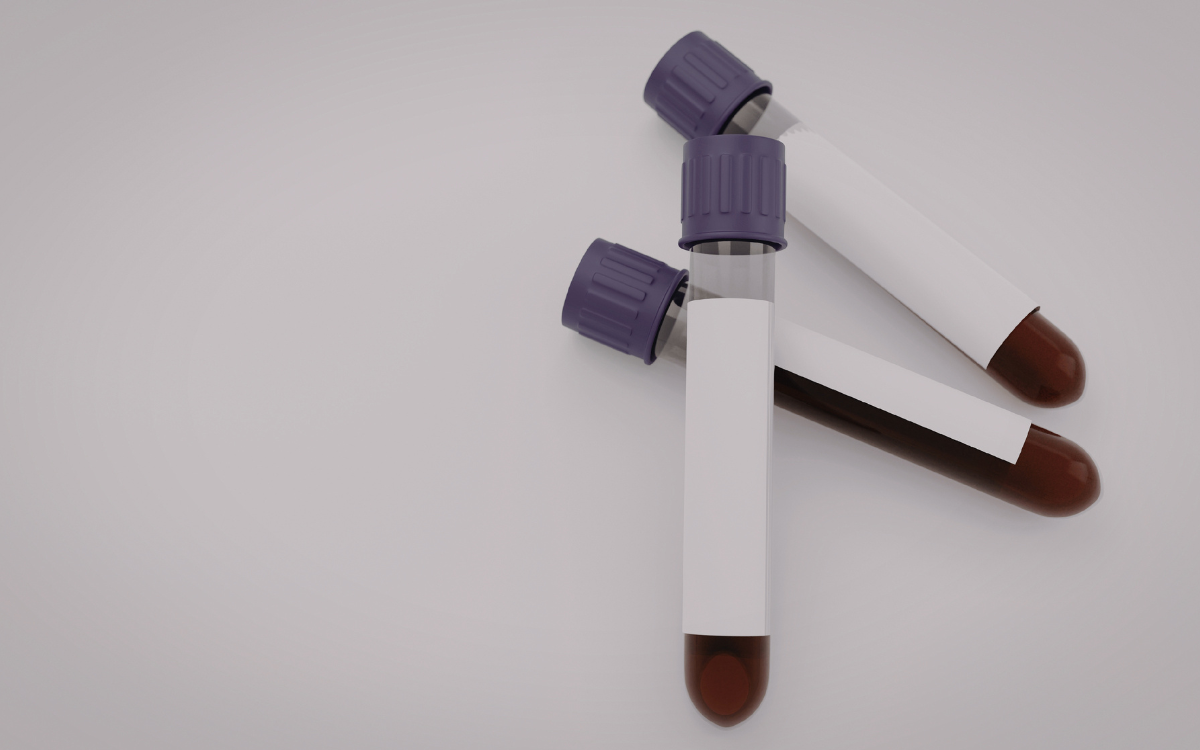
At the centre of the proposal is a blood test known as pTau217, designed to detect biological markers linked to Alzheimer’s disease. Paired with digital cognitive assessments, it would allow GPs to identify people at risk and refer them to specialist memory or Brain Health Clinics for further investigation.
What makes this different is timing.
Evidence suggests Alzheimer’s-related changes in the brain can be detected up to 20 years before symptoms appear. But the system hasn’t caught up. Diagnosis still tends to happen when cognitive decline is already visible, and options are more limited.
This trial is an attempt to close that gap.
Professor Christopher Rowe, Director of ADNeT, said while early versions of blood testing are already being used in limited settings, more accurate tests are expected to roll out later this year.
“This pilot brings forward the opportunity to one day have the combination of cognitive and blood testing available to Australians across the country,” he said.
Dementia is already one of Australia’s biggest health and economic pressures, with more than 400,000 people living with the condition. It remains the leading cause of death nationally, and Alzheimer’s disease accounts for the majority of cases.
Yet access to timely diagnosis remains uneven.
Outside major cities, wait times for assessment can stretch beyond 12 months. For many families, that delay means navigating uncertainty, escalating symptoms, and care decisions without clear answers.
Earlier detection won’t solve everything. But it changes the starting point.
It creates time. Time to plan, time to access support, and time to explore treatments that may slow progression rather than respond to decline.
For the system, it also opens the door to reducing long-term costs. Dementia is projected to cost Australia $18.7 billion in 2025, with much of that burden tied to advanced care needs.
One of the more practical shifts in the proposal is where testing happens.
By embedding screening within general practice, the model aims to reduce reliance on specialist pathways that are already stretched. It also targets the gaps that have persisted for years, particularly in regional and remote communities, and among Aboriginal and Torres Strait Islander peoples and culturally diverse populations.
Professor Rowe said improving access outside metropolitan areas is critical.
“With current wait times outside of Melbourne and Sydney for dementia diagnosis and treatment exceeding 12 months, there is a desperate need for greater support for patients,” he said.
“The impact of Alzheimer’s is higher in rural, regional, Indigenous and culturally diverse communities due to longer delays in diagnosis and difficulty accessing treatment.”
The proposed trial has been included in ADNeT’s pre-Budget submission, with a price tag of $6 million over five years.
In the context of a condition that already costs billions annually, it’s not a large investment. But it is a strategic one.
Because while research into Alzheimer’s continues to advance, one issue hasn’t changed nearly enough.
Diagnosis still comes too late.
And if this trial moves ahead, that might finally start to shift.



Alzheimer’s