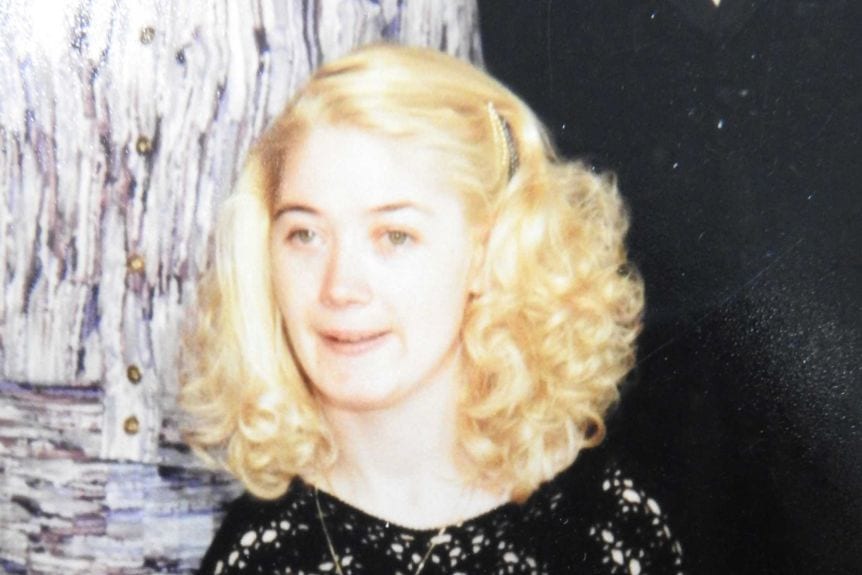
More disturbing details in the horrific death of Ann-Marie Smith came to light yesterday as a South Australian parliamentary committee heard that Ms Smith’s carer, Rosemary Maione, was previously banned by one state government agency over allegations of stealing from homecare clients.
Ann-Marie Smith, 54, died in the Royal Adelaide Hospital on April 6 with authorities later revealing that her death was a result of severe septic shock, multiple organ failure, severe pressure wounds, malnutrition, and issues connected to her cerebral palsy.
Police believe that Ms. Smith had been severely neglected and may not have been moved from the chair sat in for over a year.
Ms Smith’s carer, Rosemary Maione, is now part of a manslaughter investigation and her employer, Integrity Care, is now being investigated by the disability industry watchdog.
Yesterday a member of the SA Parliament’s Budget and Finance Committee revealed that carer Rosemary Maione was actually banned from providing services for Domiciliary Care services clients after allegations that clients’ money had gone missing when she was worked in their homes.
Integrity Care was informed of these allegations and the fact that Ms Maione was banned from working for Domiciliary Care clients, but it appears that this information was not shared with the screening unit or to other parts of the department that contracted Integrity Care, including Disability SA.
The missing money was not reported to the police at the request of the families involved.
Department chief executive Lois Boswell also told the committee that it appears as though Integrity Care employed Ms Maione without a disability worker screening and that they first applied for a screening of Ms Maione after Ann Marie Smith’s death.
Ms Boswell revealed that they had found not yet found any records which indicate that Ann Marie Smith was visited by Disability SA while Ms Maione worked with her.
However, it is believed that Ms Smith was contacted annually by Disability SA to review her needs and services.
Photo Credit- SA Police


