We don’t usually think or ourselves as active participants in planning what happens to us before we die. We tend to think of dying as something we have no control of, that happens to us, and we don’t have much say in how it happens.
But a new book aims to dispel the idea we have no control over what happens to us at the end of our lives.
A Beginner’s Guide to the End: Practical Advice for Living Life and Facing Death is a practical and compassionate ‘user guide’ for the end of life, written by editorial director, Shoshana Berger, and palliative care doctor, Dr BJ Miller.
The book is an ‘action plan’ for approaching the end of life.
It shows readers how they can control what happens to them as death approaches, from how to tell your employer you have a terminal illness, to how to say goodbye to friends and family, and talking to your children about your will.
It is also a manual for those who are caring for someone who is dying.
“Time is precious. Life is short. It’s natural, but we do have to plan,” said Dr Miller in an interview about the book with Inforum.
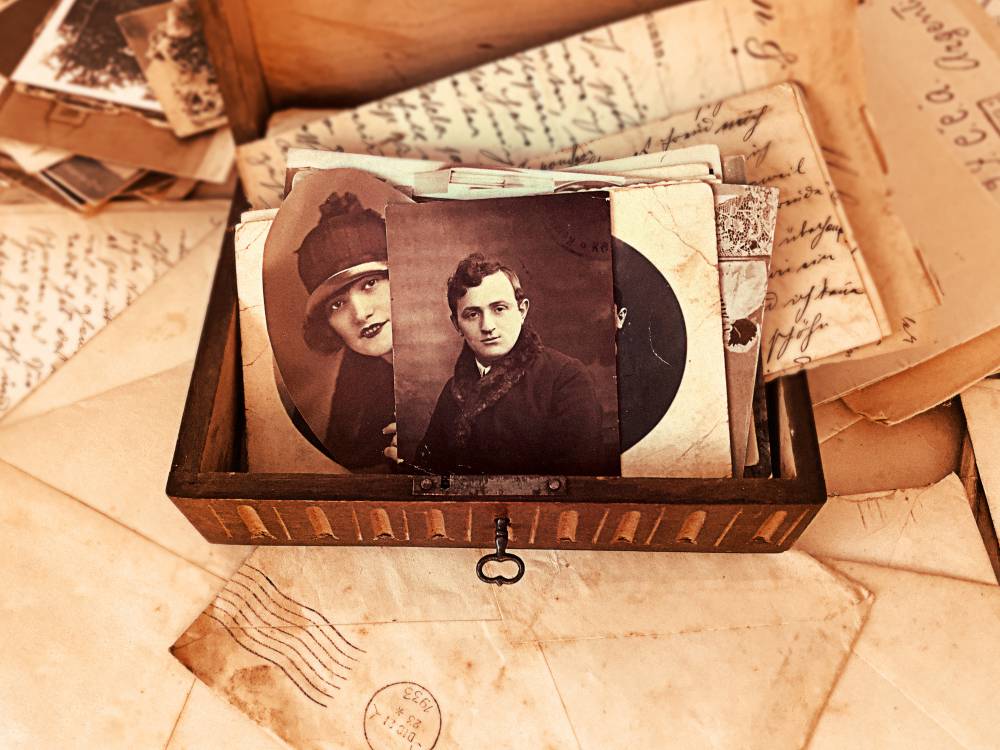
A cornerstone of the book is its recommendation to create a ‘When I die file’ – a place to store documents and personal effects that might save your loved ones incalculable time, money and distress when you are no longer around.
You might keep your ‘When I die file’ in your filing cabinet, in a drawer in your desk or even in a shoe box. The main thing is it’s easy for your loved ones to find and access.
The book recommends a number of items that could be included in a ‘When I die file’, including:
Ms Berger and Dr Miller come to the topic for the book from different backgrounds.
Ms Berger began thinking about how our society deals with death and dying after she and her sister cared for their father when he became gravely ill. She and her family had so little information about what happens at the end of life, they found themselves googling ‘What do you do when someone dies’ the morning he died.
Her experience made her realise there is a lack of information available to people about death, largely because people don’t like talking about it, and people are also reluctant to face the inevitable fact that they themselves will die one day.
Dr Miller comes to the topic from a clinical perspective, but also through his own experience.
When he was a teenager, Dr Miller suffered a terrible accident that resulted in the loss of both his legs and an arm. He went on to study medicine, and discovered a love of palliative care.
In the interview with Inforum, Dr Miller said he has come to terms with loss.
“Loss is normal, it’s something that drives meaning, it helps us appreciate beauty,” he said.
Ms Berger said as well as the practical side of preparing for death, there are emotional aspects the book explores, too.
“Are you showing up in your life? Are you putting down your phone and looking the person in the eye?”
Ms Berger says there are five things you should say to people before you die: please forgive me, I forgive you, thank you, I love you, and tell your children you’re proud of them.
When researching for this article, I asked my mother how my father left his affairs when he died following a long illness. A chartered accountant by training, he was always meticulous, but he died from brain tumours, which changed his personality, and I wondered if the chaos his illness caused meant his fastidious ways might have been altered.
But my mother said he left his affairs in order. It was easy for her to log in to his computer, and she had no problem dealing with his bank and superannuation fund. His taxes were up-to-date, and his files were easy for her to find and access.
On practical terms, my father’s affairs were in order, but emotionally our family did little to prepare for his death.
My father hoped for a miracle cure right up until the end. So long as he clung to life, there was no mentioning what the rest of us knew – he was dying. He wanted to spend his time seeing friends, listening to music, and eating delicious pastries. He wanted to talk about old times. That was his style – and we all had to go along with it.
But I’m sorry we didn’t talk more about how we were feeling, and what we all meant to each other. On a practical level, my father had it covered, but emotionally, none of us had a clue of the possibilities.
If a ‘When I die file’ and a practical end-of-life guide can help people more successfully navigate the difficult end of a loved one’s life, it sounds like a good idea to me.



Hi Caroline, I found this article very interesting, as are all your articles.
I’ve often thought it would make an excellent resource book for those of us caring for other adults.
Is there any chance that you would consider this? I’m sure they would sell like hot cakes.
thankyou
Maree