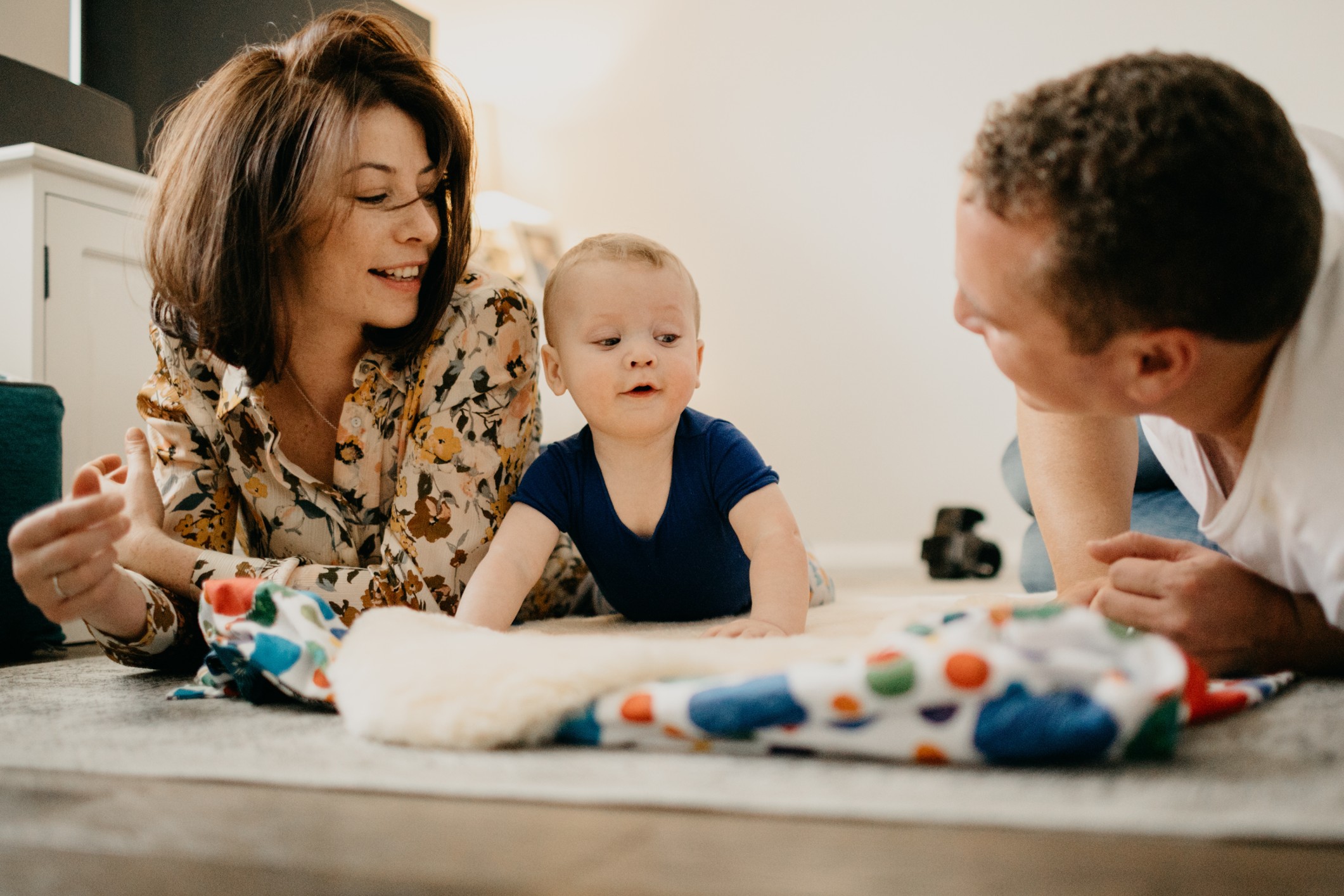
Childhood and dementia, two words that shouldn’t go together. But sadly, they do. One in 2,800 babies born have a condition that will cause dementia in their childhood – that’s more common than cystic fibrosis.
Key points:
Dementia in children is caused by a rare genetic disorder that affects the brain’s development and function which over time leads to progressive cognitive decline. Most significantly, the child loses their future, the opportunity to grow up and experience their adult life.
Currently, childhood dementia is not a health priority anywhere in the world. This is partly because early diagnosis is difficult and quite likely to be delayed. Early symptoms are often downplayed by health professionals or the child is wrongly diagnosed with Attention-deficit/hyperactivity disorder (ADHD), autism or other intellectual disabilities instead.
Due to the lack of investment and research into childhood dementia, most children die before the age of 18.
Childhood Dementia Initiative launched in 2020 with the focus on changing the discourse around children with dementia, addressing the historic and systemic inequity that’s resulted from the fragmented approach towards dementia research.
Chief Executive Officer (CEO) and Director of Childhood Dementia Initiative, Megan Maack said, “Bringing the conditions together under a single umbrella has the potential to transform outcomes for children with dementia and their families for generations to come.”
Typically, children who are diagnosed with Sanfilippo syndrome experience a range of developmental road blacks leading to symptoms of dementia such as confusion, behavioural issues, anxiety and fear. Progressive brain damage can rob a child of the skills they potentially have already learnt – like gradually losing the ability to walk, talk and eventually swallow.
At this year’s National Dementia Conference, dementia advocates pushed to redress the current exclusion of children from dementia policy frameworks.
Once diagnosed, there is a severe lack of understanding and knowledge about the services available to families because of the dearth of support available to navigate through a complex health care system. Families are required to find the right support network without much guidance while also having to look after their child’s constantly changing needs, leading them to become self-taught experts in individual advocacy to get the care and support their child so desperately needs.
Anna, mother of Sebby who died at just 22 months from childhood dementia says, “We need to come together in a concerted effort and tackle this head on. It’s unfathomable that our children are dying from these diseases with no cure.”
One of the key topics at the conference was to include lived experience in policy making. Lived experience is vital and a driving system for change in the health sector. By including those who live with dementia and carers of people with the disease in policy making committees, we can create relevant and effective reforms. Policy research, service delivery and education are key areas that will benefit the most from lived experience.
As a first, the Medical Research Future Fund (MRFF) has dedicated funds worth $3 million to focus on treatment and therapies for childhood dementia and all of its 70-odd underlying conditions.
“Now, this is the first Government funding of its kind anywhere in the world as far as we know. So we’re very pleased to see it – but $3 million dollars is but a drop in the ocean of what is required,” Megan added.
Positioning dementia as a lifespan disease has the potential to not only benefit the childhood dementia community, but also the adult dementia community. If those who are responsible for public policy regarding dementia, both here in Australia and globally, take a lifespan approach, it could help to remove the ageism that many people experience and consolidate the need for dementia to be recognised as a disability that affects all ages.


