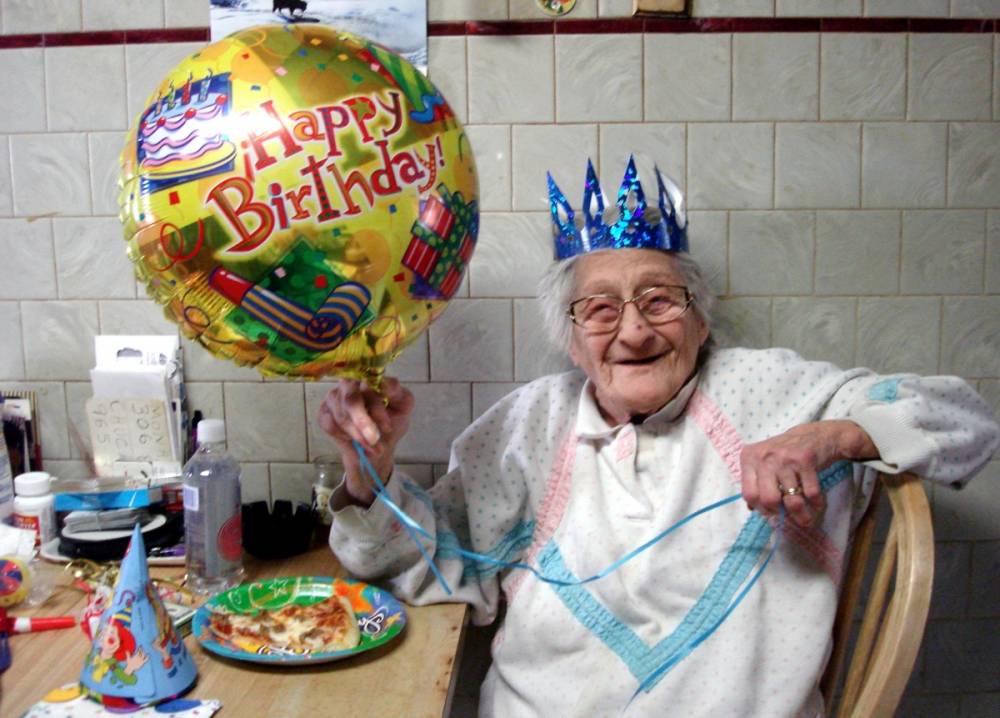
During 2015, Australia was said to have 2,800 residential aged care facilities providing care to more than 160,000 elderly people. This number is expected to increase to approximately 250,000 in the next 10 years with the highest area of growth being among residents aged 95 and older. One of the greatest challenges for the Australian aged care sector is in relation to dementia as it is the main reason that individuals seek out admittance to residential care facilities. It is estimated that up to 50% of care facility residents have dementia and that the number of people who develop the condition will increase from the 220 000 in 2015 to around 730,000 in 2050.
As hard as it may be to witness a loved one deteriorating due to dementia, it can also be very rewarding to see how much joy they get from simple, everyday experiences. Having someone you love be physically present but mentally absent is not easy to endure, especially on special occasions like Christmas and birthdays which no longer hold the same significance for your loved one. There is no need to discard these celebrations altogether, not even if the person is living in a care facility. It will, however, be necessary to make certain changes to ensure that the day maintains a sense of festivity without making anyone feel overwhelmed.
Generally, we look for ways to make special occasions such as birthdays as memorable as possible. Due to the fact that people with dementia have problems with their short-term memory and will more than likely quickly forget any grand party, it is better to focus on creating a more simplified celebration with a happy vibe. Positive emotions can linger for numerous days in someone living with dementia, even long after the event that caused them is forgotten. Let go of the impulse to recreate old traditions in the care facility, rather ensure that the atmosphere is warm and pleasant and that your loved one is surrounded by a lot of happy smiles.
Finding the perfect gift for an older person can be a challenging task and even more so for someone living with dementia. Your loved one may not be able to identify your gift as a present and may therefore be unsure of how to respond accordingly. Be sure to express the appropriate responses for your loved one by exaggerating your expressions; it is often easier to read and understand body language than it is spoken words.
Changes in routine, excessive noise and fuss can all put tremendous stress on someone with dementia. Depending on personal circumstances, it may not be viable to include all the care facility residents in a birthday festivity for your loved one as it may be too overwhelming. Consider setting up a small space in a secluded area like a dining area or even your loved one’s room where an intimate celebration can be held instead.
While the memories and traditions you hold dear may no longer have the same relevance for your loved one if they have dementia, nothing prevents you from making the effort to celebrate special occasions in a new way. Individuals living with dementia has not lost the ability to enjoy and appreciate happy occasions, they just do so in a different way.
What do you have to say? Comment, share and like below.


