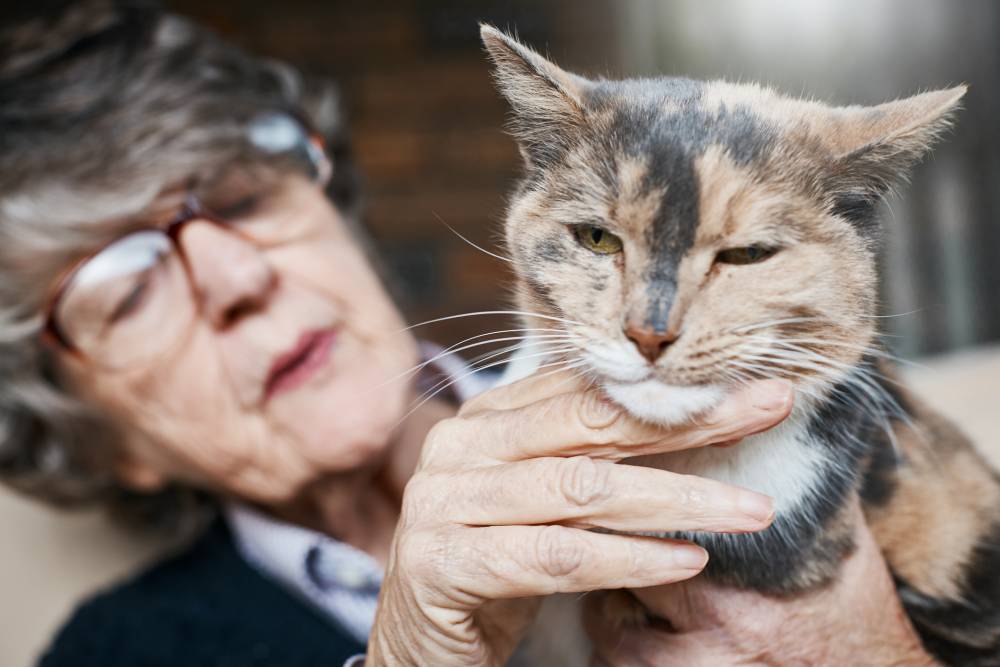
When a neighbour discovered that an elderly woman was eating cat food because she was too frightened to go outside during COVID-19, local community members leapt into action, providing company and free meals to the woman – and other locals in need.
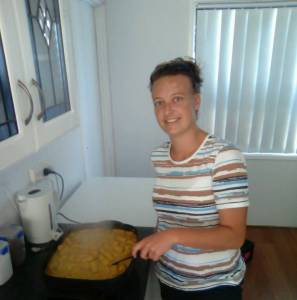
Amanda Harris was in the habit of checking in on one of her elderly neighbours every few days; she liked to make sure the woman was not too lonely and looking after herself during the lockdown.
On one such visit, Ms Harris told HelloCare she was surprised to see some empty cans of cat food in her kitchen.
Knowing that the woman had not owned a cat for years, Ms Harris enquired about the cans. The woman dismissed her concerns, and quickly changed the subject.
Ms Harris was so worried when she left the woman’s house, she reached out to the woman’s daughter who lives interstate.
After some investigating between the two, the older woman finally confessed she had been eating the cat food. She said she had been too frightened to go out during COVID-19 because she knew older people were particularly susceptible to the disease.
But her biggest concern was being fined by the police for going outside when she was not supposed to.
“She was more concerned about being fined,” Ms Harris told HelloCare. “It was terrible to see.”
After her discovery, Ms Harris became extremely worried this type of thing might be happening elsewhere in her community, so she turned to her team at Kurri Rotary Club.
Together, they agreed that something needed to be done and they decided they would put the word out to their community and provide meals to anyone who needed them, “completely free of charge, no strings attached”.
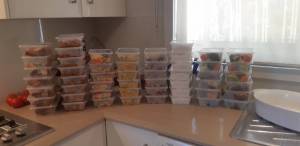
Only a week later, they have prepared 1,400 meals and delivered them to those in need in the local Hunter community.
Ms Harris said that at first people were reluctant to accept help, but over the week they have lost some of the stigma associated with reaching out for assistance.
“We’re finding a lot of people are struggling at the moment, especially the elderly,” said Ms Harris, who has worked in aged care for many years.
Often older people ‘make do’, they don’t like to be a burden on others, and sometimes they’re just not aware of the assistance that is available, Ms Harris explained.
The elderly woman now looks forward to Ms Harris’s visits every day.
“She’s beside herself. I come skipping down the path, singing a song.”

She never asks for a particular meal, and she’s always grateful.
Ms Harris is remarkably humble about her charity work. “I think anyone who found themselves in this situation would have done the same,” she told HelloCare.
I admire Ms Harris’s good faith in humanity and I’d like to think she’s right, but I’m not so sure. I think Ms Harris and the Kurri Rotary Group are doing something exceptional for their local community.
Do you have a story to share with HelloCare? Email us on editor@ hellocaremail.com.au.
Image: Rapid Eye, iStock.


