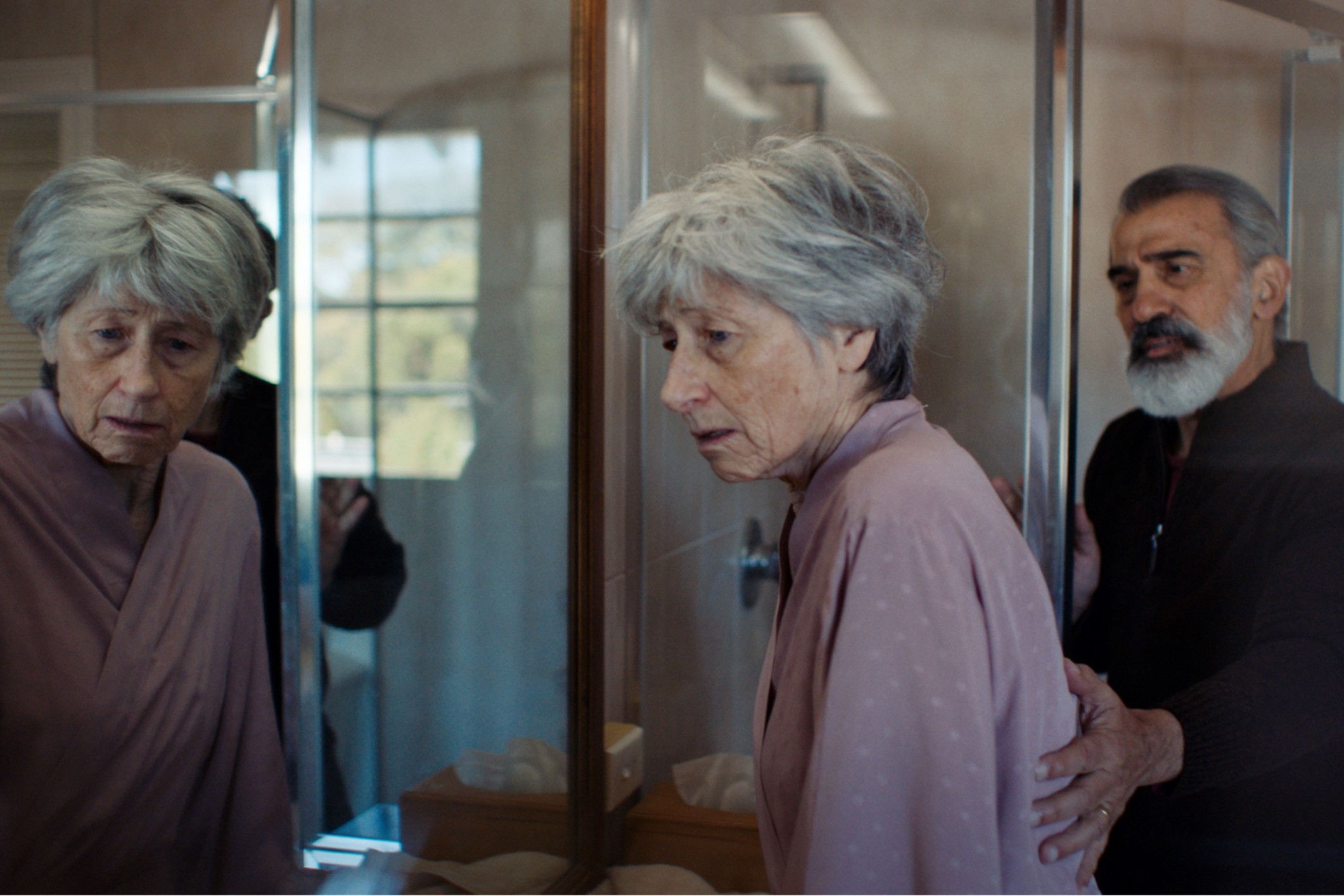
A national campaign featuring a hard-hitting television commercial was launched last week to increase awareness about help available for people living with dementia experiencing symptoms.
The “Dementia affects us all” campaign by Dementia Support Australia (DSA) features a sobering television with a focus on the growing number of people living with dementia being cared for in their own homes.
The commercial illustrates behaviours and psychological symptoms of dementia through the story of a husband who battles the stress of navigating his wife’s dementia symptoms in their home before seeking help. It also weaves in the role of their daughter, illustrating the importance that adult children often play in reaching for support.
Despite the assumption that people living with dementia live in care facilities, about 70% of people with the disease live at home and their carers are unlikely to be aware of the services available.
DSA Head of Dementia Professional Services, Marie Alford, said there is a growing desire in the community and within Government reform for older people to be cared for in their own homes rather than go into aged care.
“The campaign is deliberately confronting in its message to enable people to understand the importance of reaching out for help,” she explained.
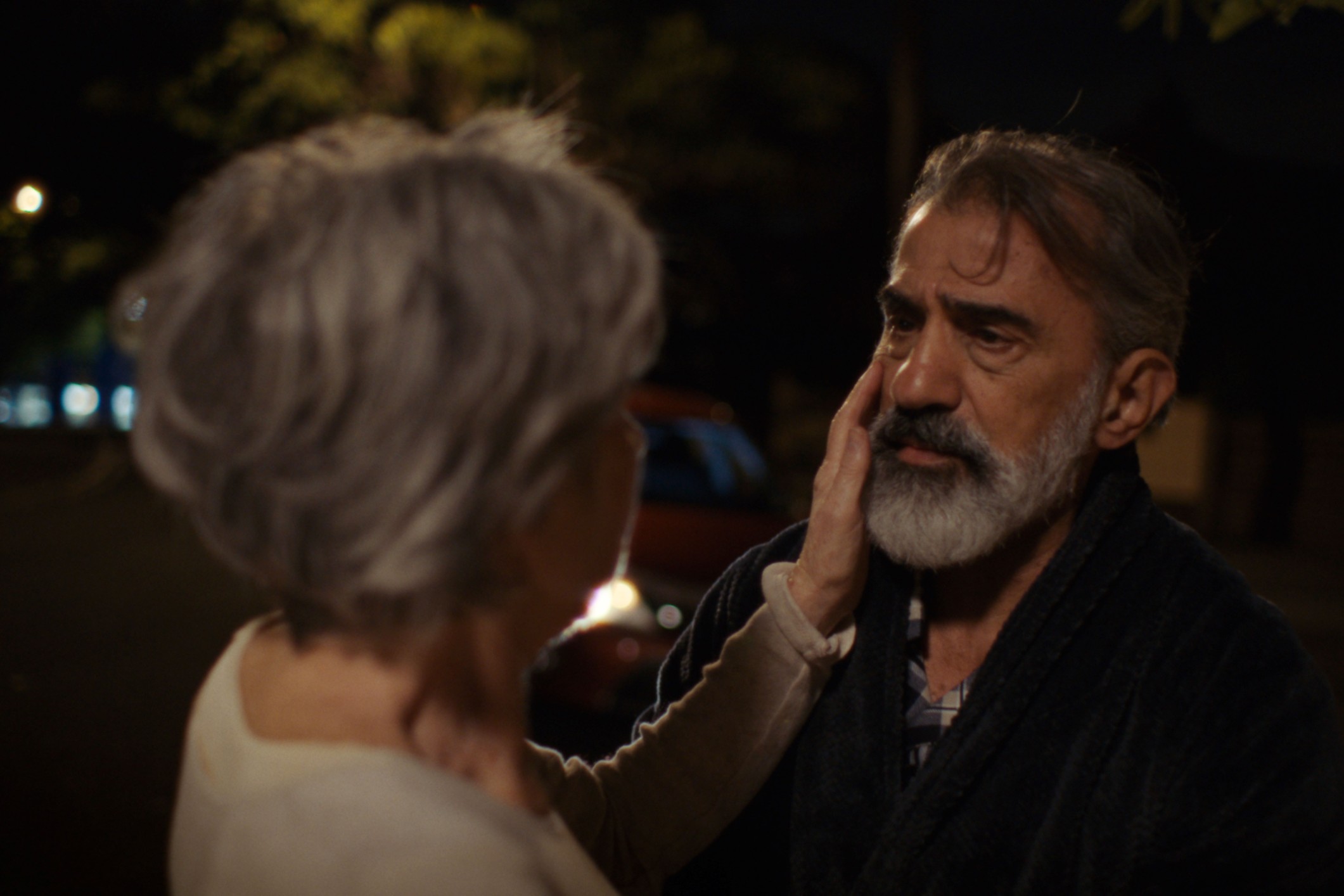
In conjunction with the campaign, geriatrician and Senior Research Fellow at The Dementia Centre, Professor Sue Kurrle, is offering a series of video resources available online to advise carers who are faced with difficult behavioural and psychological changes.
There were up to 354,200 unpaid or ‘informal’ carers supporting people living with dementia last year, often working up to 60 or more hours a week.
Professor Kurrle said carers often found themselves stressed to breaking point.
To watch the commercial, visit the Dementia Support Australia YouTube channel here.


