




Ruth Itzhaki, University of Oxford
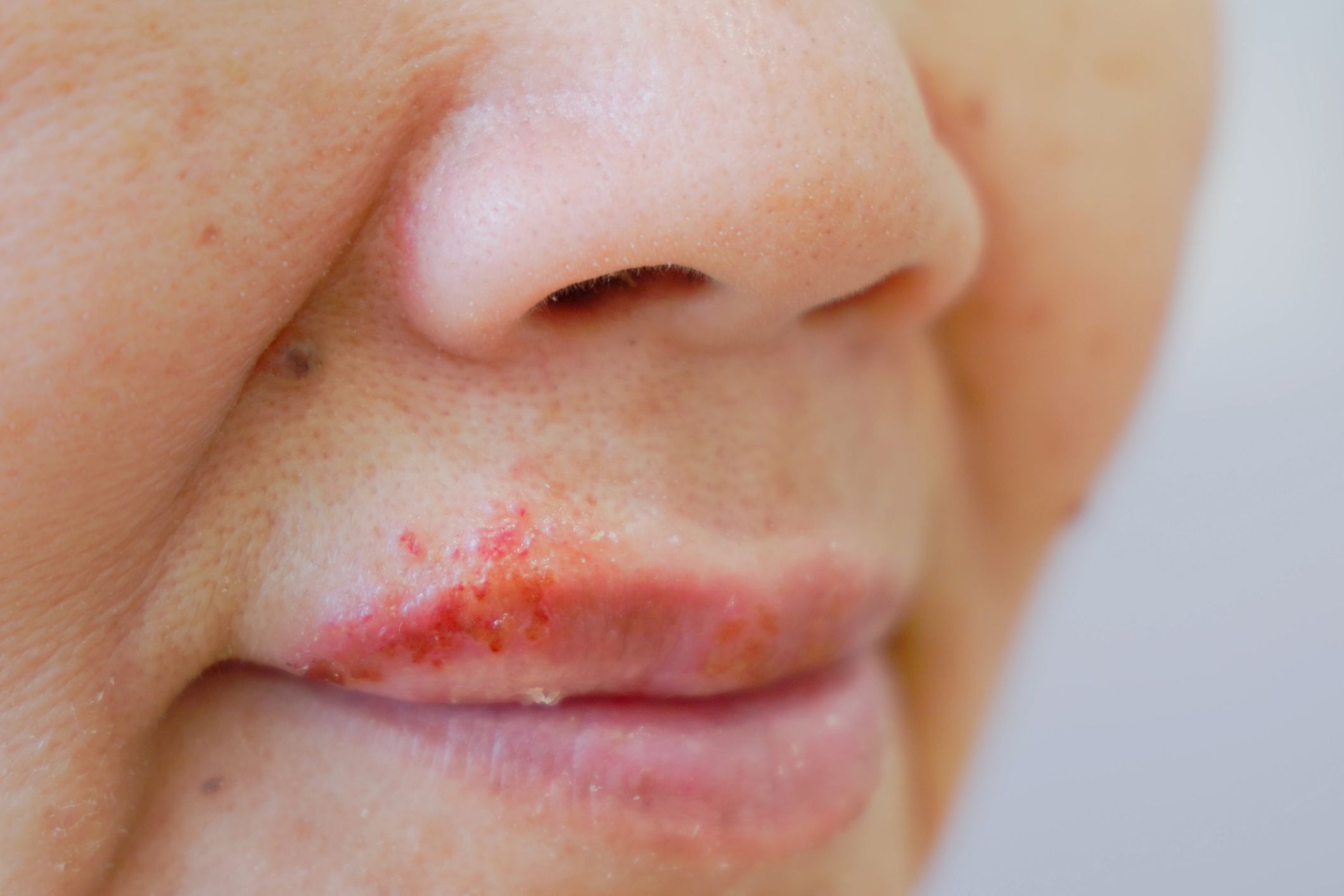
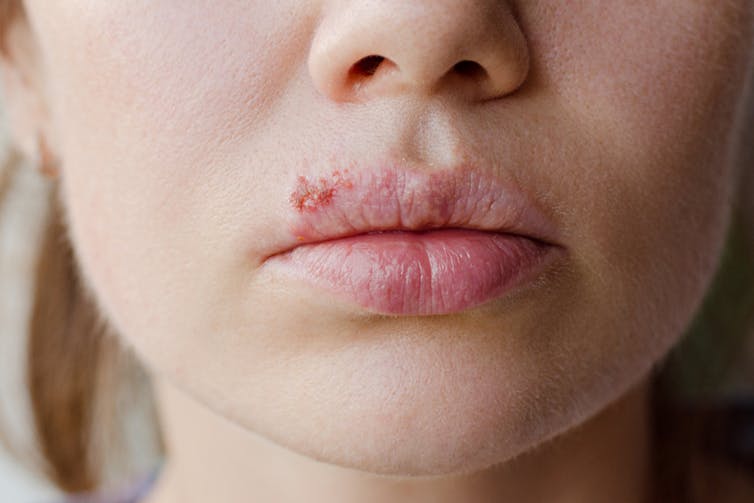
The common cold sore virus, which is often caught in childhood, usually stays in the body for life – quietly dormant in the nerves. Now and then, things like stress, illness or injury can trigger it, bringing on a cold sore in some people. But this same virus – called herpes simplex virus type 1 – may also play an important role in something far more serious: Alzheimer’s disease.
Over 30 years ago, my colleagues and I made a surprising discovery. We found that this cold sore virus can be present in the brains of older people. It was the first clear sign that a virus could be quietly living in the brain, which was long thought to be completely germ-free – protected by the so-called “blood-brain barrier”.
Then we discovered something even more striking. People who have a certain version of a gene (called APOE-e4) that increases their risk of Alzheimer’s, and who have been infected with this virus, have a risk that is many times greater.
To investigate further, we studied brain cells that we infected with the virus. They produced the same abnormal proteins (amyloid and tau) found in the brains of people with Alzheimer’s.
We believe that the virus stays mainly dormant in the body for years – possibly decades. But later in life, as the immune system gets weaker, it can enter the brain and reactivate there. When it does, it will damage brain cells and trigger inflammation. Over time, repeated flare-ups could gradually cause the kind of damage that leads to Alzheimer’s in some people.
We later found the virus’s DNA inside the sticky clumps of these proteins, which are found in the brains of Alzheimer’s patients. Even more encouragingly, antiviral treatments reduced this damage in the lab, suggesting that drugs might one day help to slow or even prevent the disease.
Large population studies by others found that severe infections, specifically with the cold sore virus, was a strong predictor of Alzheimer’s, and that specific antiviral treatment reduced the risk.
Our research didn’t stop there. We wondered if other viruses that lie dormant in the body might have similar effects – such as the one responsible for chickenpox and shingles.
Domaskina/Shutterstock
Shingles vaccine offers another clue
When we studied health records from hundreds of thousands of people in the UK, we saw something interesting. People who had shingles had only a slightly higher risk of developing dementia. Yet those who had the shingles vaccine were less likely to develop dementia at all.
A new Stanford University-led study gave similar results.
This supported our long-held proposal that preventing common infections could lower the risk of Alzheimer’s. Consistently, studies by others showed that infections were indeed a risk and that some other vaccines were protective against Alzheimer’s.
We then explored how risk factors for Alzheimer’s such as infections and head injuries could trigger the hidden virus in the brain.
Using an advanced 3D model of the brain with a dormant herpes infection, we found that when we introduced other infections or simulated a brain injury, the cold sore virus reactivated and caused damage similar to that seen in Alzheimer’s. But when we used a treatment to reduce inflammation, the virus stayed inactive, and the damage didn’t happen.
All of this suggests that the virus that causes cold sores could be an important contributor to Alzheimer’s, especially in people with certain genetic risk factors. It also opens the door to possible new ways of preventing the disease, such as vaccines or antiviral treatments that stop the virus from waking up and harming the brain.
What began as a link between cold sores and memory loss has grown into a much bigger story – one that may help us understand, and eventually reduce, the risk of one of the most feared diseases of our time.
Ruth Itzhaki, Professor Emeritus of Molecular Neurobiology at the University of Manchester and a Visiting Professorial Fellow, University of Oxford
This article is republished from The Conversation under a Creative Commons license. Read the original article.


