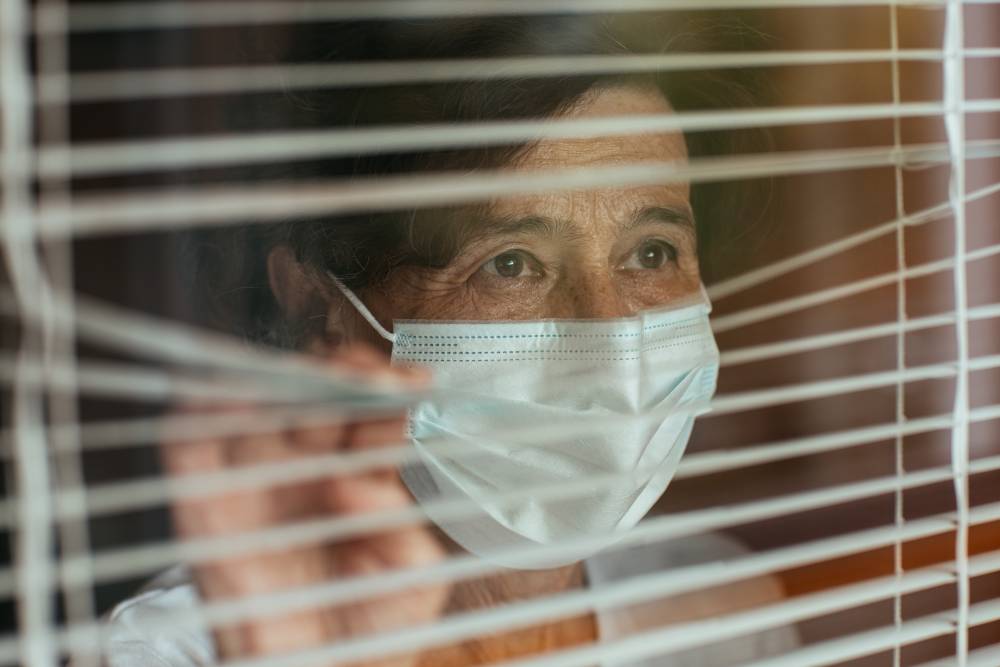
Many countries overseas are still grappling with out-of-control COVID-19 outbreaks, placing growing pressure on hospitals and healthcare professionals.
We take a look at the worst affected countries, and the factors that contributed to their inability to effectively halt the spread of the virus.
The United States is the world’s worst hit country, with more than 15 million cases and 288,000 deaths. The Atlantic has written the virus has “humbled and humiliated the planet’s most powerful nation”.
On 2 December, the US recorded a record high number of deaths at 2,885. Hospital admissions also reached an all-time high, and are rising by around 1,000 every day.
The US is recording nearly 200,000 cases daily.
An astonishing 39 per cent of the US’s COVID-19 deaths have been in aged care homes.
President Donald Trump has been criticised for not moving quickly enough when the virus arrived on US shores, allowing it to gain a foothold in the population. Mr Trump dismantled the government body responsible for preparing for pandemics, he refused to listen to expert advice, and played down the severity of the virus. Misinformation about the virus was also allowed to spread on social media.
President Elect Joe Biden has pledged to act quickly to fight COVID-19 once he is inaugurated on 20 January, and will provide additional resources to help fight the crisis.
States are introducing new measures to combat the virus. For example, California has introduced new stay-at-home orders, but it is a piecemeal approach across the country.
The United Kingdom is also suffering, with more than 1.7 million cases and 61,000 deaths.
The UK was again too slow to respond when the virus began spreading, and confusing government messaging have hindered the nation’s responses. Hospitals have turned elderly COVID-19 patients away, and large numbers are dying at home. The country’s
The UK has approved rollout of the vaccine developed by Pfizer and BioNTech, and doses are being shipped into the country already. People aged over 80, frontline healthcare workers and care home staff and residents will receive the first vaccines, which will be administered by the NHS.
Belgium has the highest rates of COVID-19 and death rates in the world, with more than 50,000 cases per one million of the population, and 1,400 deaths per one million of the population.
In Belgium, there have been 590,000 cases and more than 17,000 deaths
Back in October, Belgium’s health minister said, “We’ve lost control”, predicting a ‘tsunami” of infections.
Belgium is one of Europe’s most densely populated countries, and it is also a busy travel hub. But the main reason for the country’s poor handling of the virus is a lack of trust and coordination between the country’s various regions and cultures.
Despite rising cases in September, Belgium did not impose more restrictions, and case numbers climbed until a full downtown was declared on 30 October, however, the rules vary from region to region – a strategy that has also failed in other parts of Europe like Italy.
Up to one quarter of Belgium’s medical staff are off work due to COVID-19, and there are very real fears that Belgium’s hospitals will be overrun in the lead up to Christmas.
Germany appeared to have the virus under control, but following a month of ‘lockdown light’, in which bars and restaurants closed but schools and shops remained open, the nation is now recording record numbers.
Germany is experiencing around 18,000 cases daily, even more than the United Kingdom.
It has now recorded 1.1 million cases and has suffered 19,000 deaths.
Image: Newman Studio.





