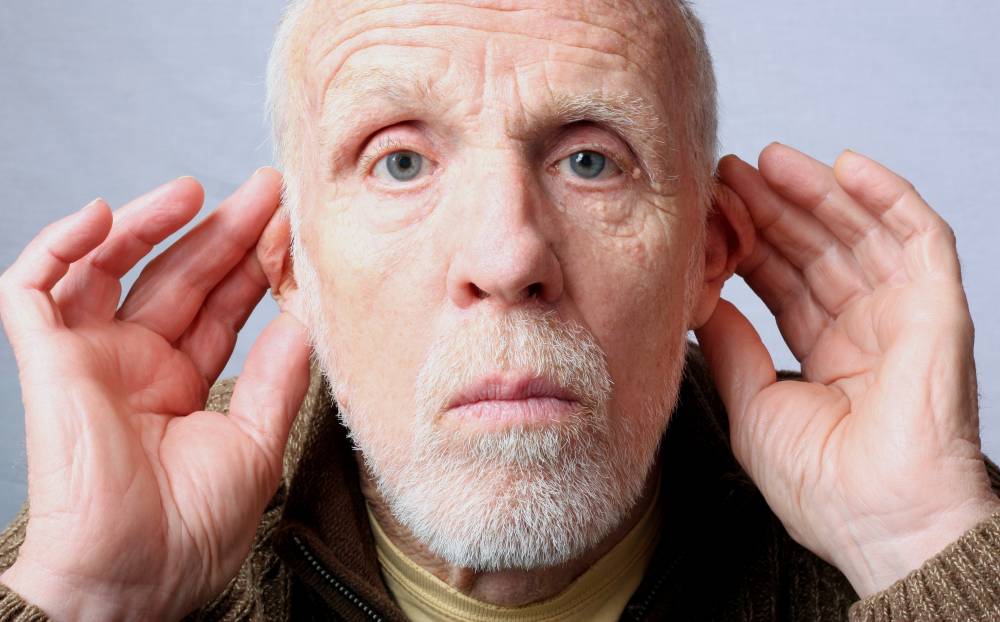
Australians are asked to ‘hear the future and prepare for it’, by committing to ear health for life, as the nation marks World Hearing Day on 3 March.
The Minister responsible for Australia’s hearing services program, Ken Wyatt AM, said the social, mental and economic impact of deafness was profound.
“We know that staying connected through hearing is vital for our emotional wellbeing,” said Minister Wyatt.
“However, new international research now indicates deafness and the failure to use hearing aids can increase the risk of dementia by more than 20 per cent and, in men, markedly raise depression risk.
“It also costs our community dearly, with the annual direct economic impact of poor hearing in Australia estimated at $15.9 billion.”
One in seven Australians suffer from hearing loss – around 3.6 million people – with more than 90 per cent of these aged over 50. Due to the ageing population, by 2050 the number affected is expected to rise to one in four.
“Hearing loss becomes more common as we get older but over 1.3 million Australians are living with a hearing condition that could have been prevented,” Minister Wyatt said.
“There is also growing evidence of deafness being caused by recreational noise. For example, it is estimated that in Europe, more than four million people suffer from hearing problems from the use of headphones.
“While avoiding hearing damage is best, modern hearing assistance can do wonders, so it’s important to have regular hearing checks and to seek help early.”
The Australian Government’s Hearing Services Program provides free or subsidised hearing services and devices to eligible Australians. In 2016–17, more than 750,000 Australian benefitted from its services.
The research paper Death, Depression, Disability and Dementia Associated With Self-Reported Hearing Loss Problems: A 25-Year Study was published in The Journals of Gerontology 2018 and to be presented to the European Parliament in March 2018, as part of World Hearing Week.
It found that unaddressed hearing loss raised the risk of incapacity to carry out basic daily activities such as eating, showering and getting dressed by 28 per cent. It found the failure to use hearing aids increased dementia risk by 21 per cent and, in men, increased the risk of depression by 43 per cent.
What do you have to say? Comment, share and like below.





